HeadPowder, a leading provider in the field, specializes in the design and implementation of advanced pneumatic conveying solutions tailored for handling ammonium nitrate. This company, headquartered in Shandong, China, has extensive experience in developing customized systems that meet the specific needs of industrial clients. This article delves into the fundamental principles underlying such systems and highlights the key characteristics of their operational environments.
Principle of Pneumatic Conveying for Ammonium Nitrate
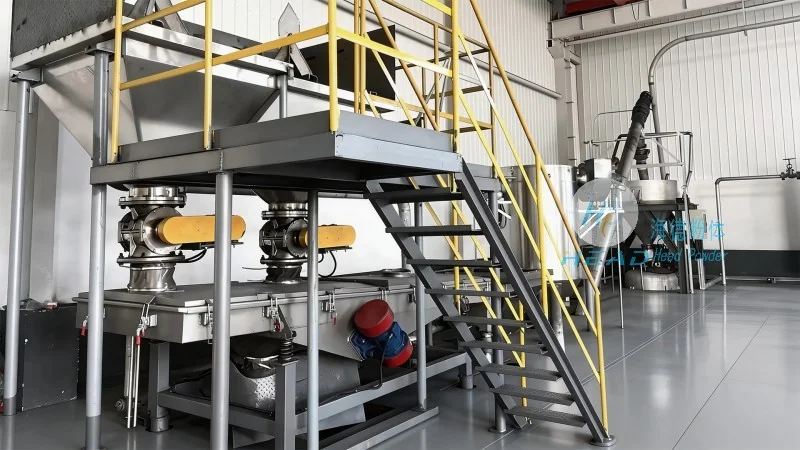
The core principle of pneumatic conveying systems involves transporting solid materials, such as ammonium nitrate, through a pipeline using a stream of air. This method eliminates the need for mechanical components like belts or buckets, offering a more efficient and hygienic solution for handling bulk materials. There are primarily two types of pneumatic conveying: suction (or vacuum) and pressure systems. In suction systems, a vacuum is created at the material inlet to draw the ammonium nitrate into the pipeline, while pressure systems use compressed air to push the material forward. For ammonium nitrate, which is a fine, granular solid with a specific density and flow characteristics, the choice of system depends on factors like the distance to be covered, the required flow rate, and the need for dust control. The system typically consists of a hopper, a conveyor line, and a receiver. The hopper stores the ammonium nitrate, and the material is fed into the pipeline via a rotary valve or feeder. The air flow, controlled by a blower or compressor, moves the particles along the pipeline, ensuring consistent and reliable transport. Key components include the airlock, which prevents backflow of air, and the filter, which captures any fine particles to maintain air quality and system efficiency.
Working Scene Characteristics of Ammonium Nitrate Pneumatic Conveying
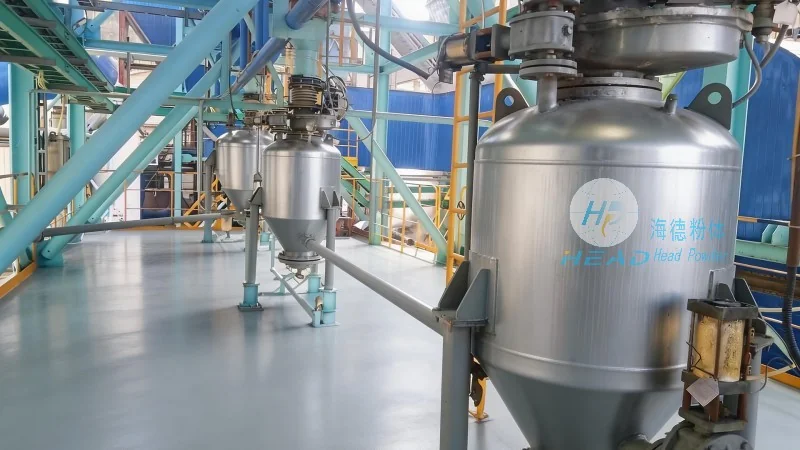
The operational environment for ammonium nitrate pneumatic conveying equipment is characterized by several critical factors that influence system design and performance. First, the physical properties of ammonium nitrate, such as its particle size distribution (typically ranging from 0.5 to 2 mm) and bulk density (around 0.9-1.0 g/cm³), affect the air velocity required for effective transport. A higher air velocity is needed to prevent clogging and ensure smooth flow, especially when dealing with fine particles that have a tendency to agglomerate. Second, the chemical stability of ammonium nitrate is a key consideration. The material is hygroscopic, meaning it can absorb moisture from the air, which may lead to clumping or increased dust generation. Therefore, the conveying system must be designed with moisture control measures, such as drying the air or using sealed components to prevent exposure to ambient humidity. Third, safety is paramount due to the explosive potential of ammonium nitrate under certain conditions (e.g., high temperature or impact). The equipment must comply with strict safety regulations, including explosion-proof designs for the blower and other components, and proper grounding to prevent static buildup. Additionally, the working environment often involves large-scale industrial facilities, such as fertilizer plants or chemical storage facilities, where the conveying system must integrate seamlessly with existing infrastructure. The system's layout, including the placement of hoppers, pipelines, and receivers, is optimized to minimize material handling time and maximize throughput. For example, in a fertilizer production plant, the pneumatic conveying system may connect the storage silos to the processing units, ensuring a continuous supply of ammonium nitrate for the production line. The operational efficiency of the system is also influenced by the need to maintain consistent material flow rates, which is crucial for downstream processes like mixing or packaging. Regular maintenance of the equipment, including cleaning of filters and checking for wear in the feeder components, is essential to prevent downtime and ensure long-term reliability.
Application Scenarios and Operational Advantages
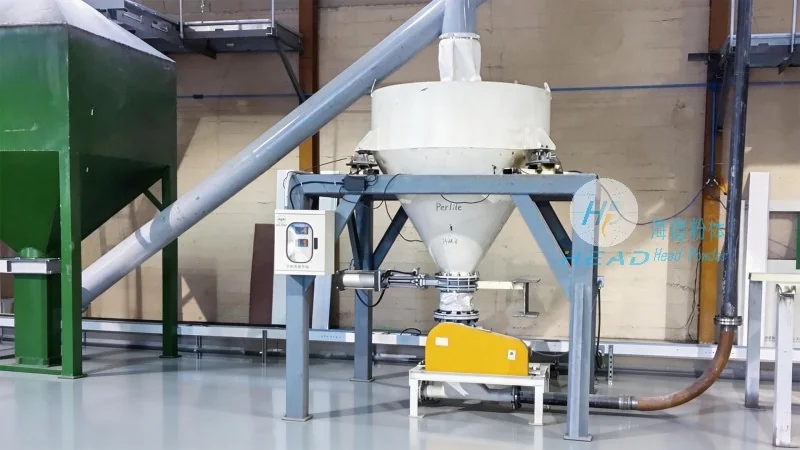
Ammonium nitrate is widely used in the agricultural and chemical industries, making the pneumatic conveying equipment suitable for various application scenarios. In agricultural settings, the system is employed to transport ammonium nitrate from storage silos to spreading equipment, ensuring precise and efficient application in fields. The ability to handle large volumes of material over long distances makes it ideal for farms with extensive land areas. In chemical manufacturing, the equipment is used in the production of fertilizers, where the material is conveyed from raw material storage to reactors or mixing tanks. The hygienic design of the pneumatic system is particularly beneficial in food and chemical processing, as it prevents contamination and maintains product purity. Another advantage of pneumatic conveying is its flexibility in handling different material types. While this article focuses on ammonium nitrate, the same principles can be applied to other bulk solids, such as granular chemicals or powders. The system's adaptability allows for customization based on specific material properties and operational requirements. Furthermore, the energy efficiency of pneumatic conveying compared to traditional methods, such as belt conveyors, is a significant advantage. The use of compressed air as the primary power source reduces the need for mechanical components, leading to lower maintenance costs and longer equipment lifespan. The operational flexibility of the system also enables easy integration with automation systems, allowing for real-time monitoring and control of the conveying process. This integration enhances overall plant efficiency and reduces the risk of human error. In summary, the pneumatic conveying equipment for ammonium nitrate offers a reliable, efficient, and safe solution for bulk material transport, addressing the unique challenges associated with handling this critical chemical.




