HeadPowder, a leading engineering company based in Shandong, China, specializes in the design and manufacturing of advanced pneumatic conveying systems tailored for handling dry sludge materials. This article explores the fundamental principles behind these systems and highlights the key working scene characteristics that make them indispensable in modern waste management and industrial applications.
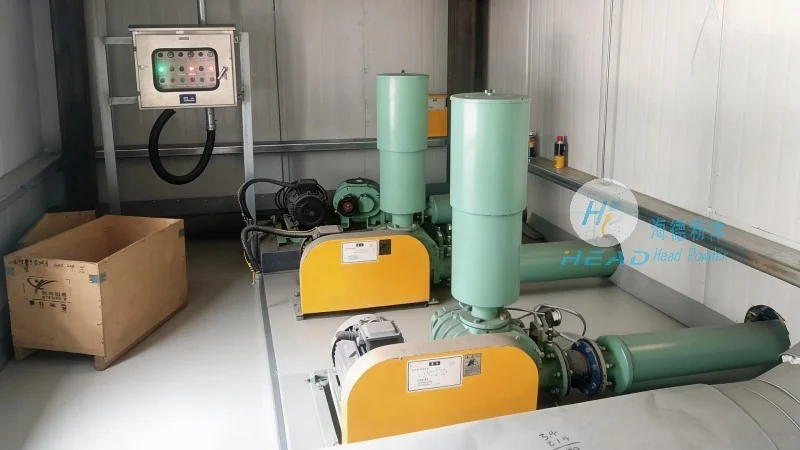
Principle of Pneumatic Conveying for Dry Sludge
The core principle of pneumatic conveying for dry sludge involves the use of a pressurized or vacuum system to transport dry sludge particles through a pipeline using air or gas as the conveying medium. Unlike traditional mechanical conveying methods, which rely on belts, screws, or buckets, pneumatic systems utilize the kinetic energy of the moving air to move the material. The process typically starts with the dry sludge being fed into a hopper or feeder, where it is then introduced into the pipeline. A blower or compressor generates the necessary air pressure, which propels the sludge particles forward. The design of the conveying line, including the size of the pipeline, the type of air nozzle, and the arrangement of bends and valves, is critical to ensuring efficient and reliable transport. The system can operate under positive pressure (where air is forced into the line) or negative pressure (where air is drawn out), depending on the specific application requirements. For dry sludge, positive pressure systems are often preferred as they can handle a wider range of particle sizes and provide better control over the conveying process.
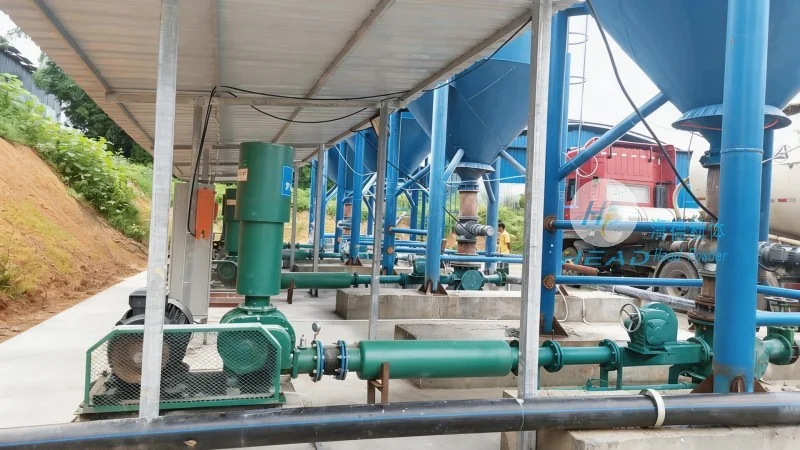
Working Scene Characteristics of Pneumatic Conveying Systems
The working scene characteristics of pneumatic conveying equipment for dry sludge are shaped by several key factors that influence performance and operational efficiency. One of the primary characteristics is the ability to handle a wide variety of dry sludge compositions, including those with varying moisture content, particle sizes, and bulk densities. This versatility makes the system suitable for different industrial and municipal applications, such as wastewater treatment plants, landfills, and industrial facilities that generate dry sludge as a byproduct. Another important characteristic is the system's ability to maintain a clean and hygienic environment, as the enclosed pipeline prevents contamination from external sources and minimizes dust emissions. This is particularly critical in applications where the dry sludge may contain pathogens or other hazardous materials. Additionally, the system's flexibility in terms of layout and integration with existing infrastructure is a significant advantage. It can be easily adapted to different plant layouts, with the ability to connect multiple feeding points or discharge points, allowing for complex material flow management. The operational characteristics also include the ability to achieve high conveying velocities, which reduces the overall conveying time and increases throughput. This is especially beneficial in large-scale applications where large volumes of dry sludge need to be transported over long distances. Furthermore, the system's low maintenance requirements and long service life contribute to its cost-effectiveness, making it a preferred choice for long-term operations.
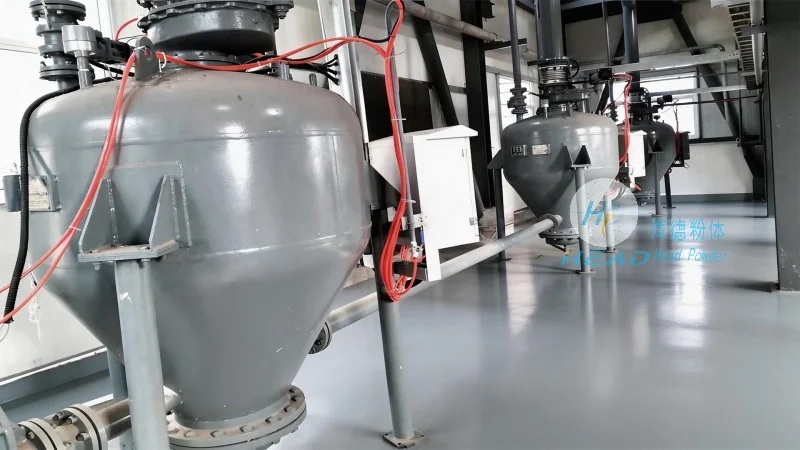
Application Scenarios and Operational Benefits
HeadPowder's pneumatic conveying equipment for dry sludge is widely applied in various working scenes, each with unique operational benefits. In wastewater treatment plants, the system is used to transport dry sludge from the dewatering process to storage or disposal facilities. The ability to handle high volumes of dry sludge efficiently and hygienically ensures that the treatment process remains uninterrupted and that the plant operates within regulatory standards. In landfill operations, the equipment is used to transport dry sludge from the landfill site to processing facilities, where it may be used as a fuel source or further treated. The system's ability to operate in harsh environmental conditions, such as high temperatures or corrosive atmospheres, makes it suitable for landfill applications. In industrial facilities, the equipment is used to transport dry sludge generated from industrial processes, such as chemical or pharmaceutical manufacturing. The system's flexibility in handling different particle sizes and compositions allows it to adapt to the specific needs of each industrial application. The operational benefits of using pneumatic conveying systems in these scenarios include improved process efficiency, reduced labor costs, and enhanced safety. The enclosed pipeline design minimizes the risk of exposure to hazardous materials, while the high conveying velocity reduces the time required for material transport. Additionally, the system's low maintenance requirements contribute to lower operational costs over the long term.
Company Profile and Technical Expertise
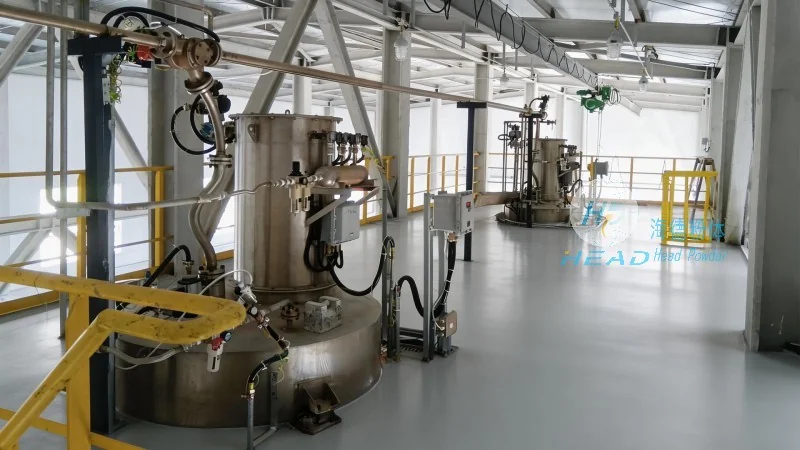
HeadPowder Engineering Co., Ltd., based in Shandong, China, is a reputable company specializing in the design, manufacturing, and installation of pneumatic conveying systems for various industrial applications. The company has a strong technical background and extensive experience in handling dry sludge materials, ensuring that their products meet the highest standards of quality and performance. HeadPowder's team of engineers and technicians work closely with clients to understand their specific needs and provide customized solutions that optimize the conveying process. The company's commitment to innovation and continuous improvement has led to the development of advanced technologies, such as high-efficiency blowers, optimized pipeline designs, and advanced control systems, which enhance the performance and reliability of their pneumatic conveying equipment. HeadPowder's products are designed to be durable, efficient, and easy to maintain, ensuring long-term operational reliability and cost-effectiveness. The company's focus on customer satisfaction and technical support ensures that clients receive comprehensive assistance throughout the entire project lifecycle, from initial design and installation to ongoing maintenance and troubleshooting.




