For industries that require efficient material handling, pneumatic conveying systems offer a reliable and versatile solution. These systems utilize compressed air to transport bulk materials like powders, granules, and small particles from one location to another, eliminating the need for mechanical components such as belts or chains. The core principle behind pneumatic conveying lies in the interaction between air flow and the material being transported, creating a dynamic environment that enables smooth and controlled movement.
Understanding the Core Principles of Pneumatic Conveying
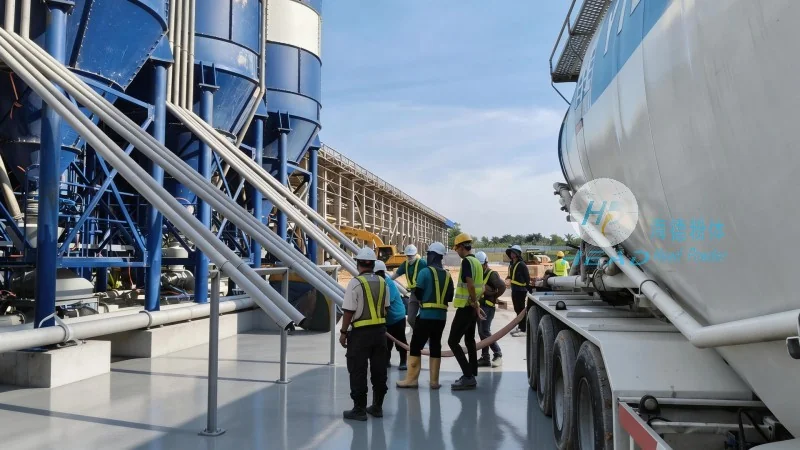
The fundamental concept of pneumatic conveying involves the use of air pressure to move materials through a pipeline. In a typical system, a blower or compressor generates the necessary air pressure, which then draws the material into the pipeline. The material is then carried by the air stream, often in a dilute phase where particles are suspended in the air, or in a dense phase where particles are packed more closely together. The choice between dilute and dense phase depends on factors such as material characteristics, system design, and operational requirements. Dilute phase systems are generally more suitable for long-distance transport and high-velocity applications, while dense phase systems are preferred for short distances and when maintaining product integrity is critical.
Key Components and Their Functions in Pneumatic Conveying Systems
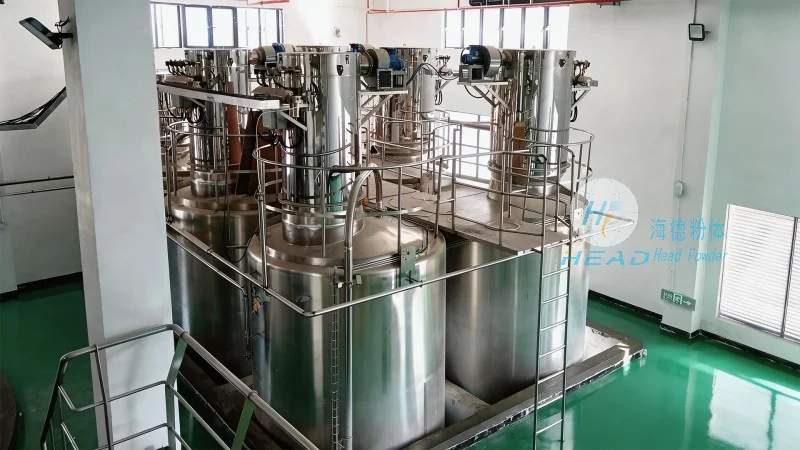
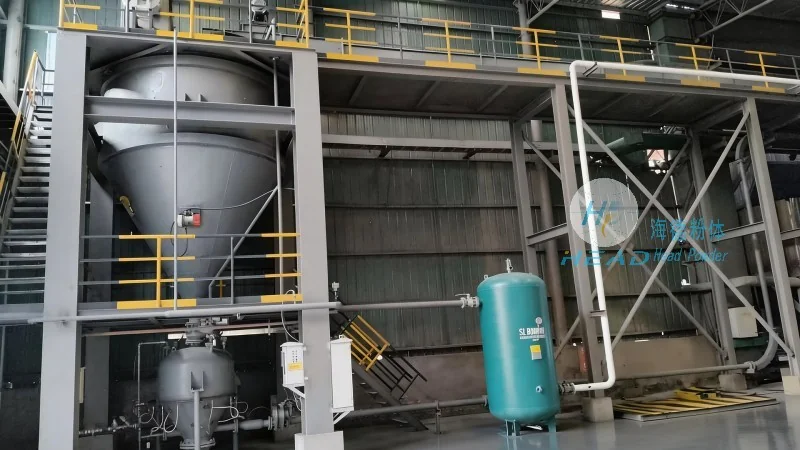
Several key components work together to ensure the efficient operation of a pneumatic conveying system. The primary components include a blower or compressor, which provides the air pressure; a hopper or feeder, which stores and feeds the material into the system; a pipeline network that transports the material; and a receiver or discharge unit where the material is collected. Additionally, control valves, filters, and dust collectors are often integrated to regulate airflow, remove contaminants, and ensure safe operation. Each component plays a crucial role in maintaining the system's performance and longevity.
Application Scenarios and Industry Use Cases
Pneumatic conveying systems are widely used across various industries due to their adaptability and efficiency. In the pharmaceutical industry, these systems are employed to transport sensitive powders and granules, ensuring minimal contamination and product integrity. The food and beverage sector utilizes pneumatic conveying for handling ingredients like flour, sugar, and spices, maintaining hygiene standards and preventing cross-contamination. In the chemical industry, these systems are used to transport reactive or hazardous materials, with proper safety measures in place to prevent leaks or exposure. The mining and minerals sector also benefits from pneumatic conveying for transporting raw materials from processing plants to storage facilities. Each application leverages the system's ability to handle different material types and operational conditions, making it a versatile solution for diverse industrial needs.
Advantages and Considerations for Pneumatic Conveying
Compared to traditional mechanical conveying methods, pneumatic conveying offers several advantages. One of the most significant benefits is the ability to transport materials vertically, horizontally, or in a combination of both, without the need for complex infrastructure. This flexibility reduces installation costs and space requirements. Additionally, pneumatic systems are less prone to material degradation, as they minimize direct contact with equipment and reduce the risk of contamination. However, there are also considerations to keep in mind. For instance, the system's efficiency can be affected by material properties such as particle size, density, and moisture content. Proper system design and maintenance are essential to ensure optimal performance and prevent issues like blockages or air leakage.
About Shandong HeadPowder Engineering Co., Ltd.
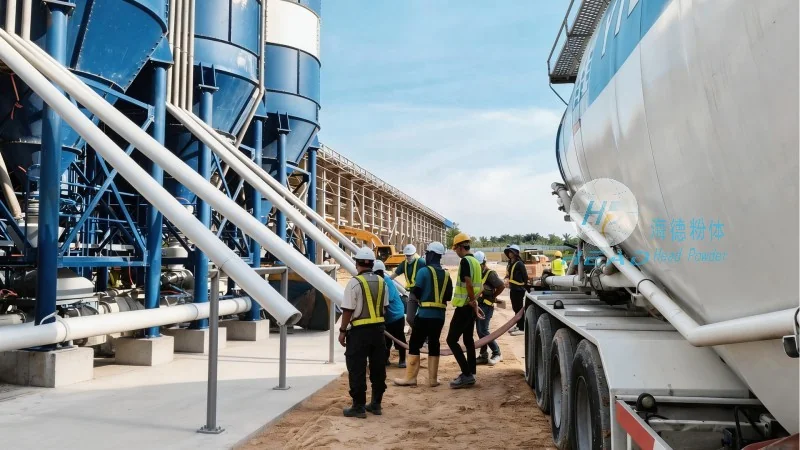
Shandong HeadPowder Engineering Co., Ltd., commonly known as HeadPowder, is a leading provider of pneumatic conveying solutions. With a focus on innovation and customer satisfaction, the company specializes in designing, manufacturing, and installing customized pneumatic conveying systems tailored to the unique needs of various industries. HeadPowder's team of experts leverages advanced technology and engineering expertise to deliver high-quality systems that meet international standards. The company's headquarters is located in Shandong, China, where it operates a state-of-the-art facility for research, development, and production. HeadPowder's commitment to quality and reliability has made it a trusted partner for businesses seeking efficient material handling solutions.




