Centralized material feeding systems represent a sophisticated approach to managing raw material supply in industrial settings. At the heart of this technology lies a systematic design that integrates storage, transport, and dispensing mechanisms to ensure efficient material handling. The fundamental principle revolves around centralizing the material source, which allows for streamlined operations, reduced waste, and enhanced control over the feeding process. This approach is particularly beneficial in environments where multiple machines or processes require consistent and reliable material input.
Key Components and Operational Mechanics
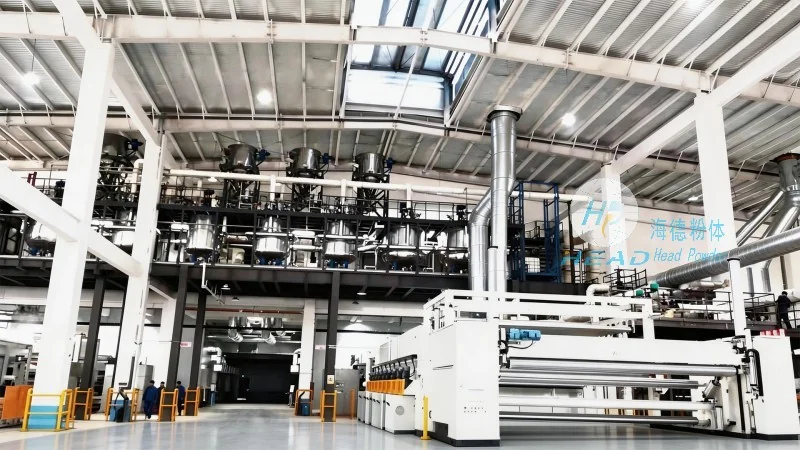
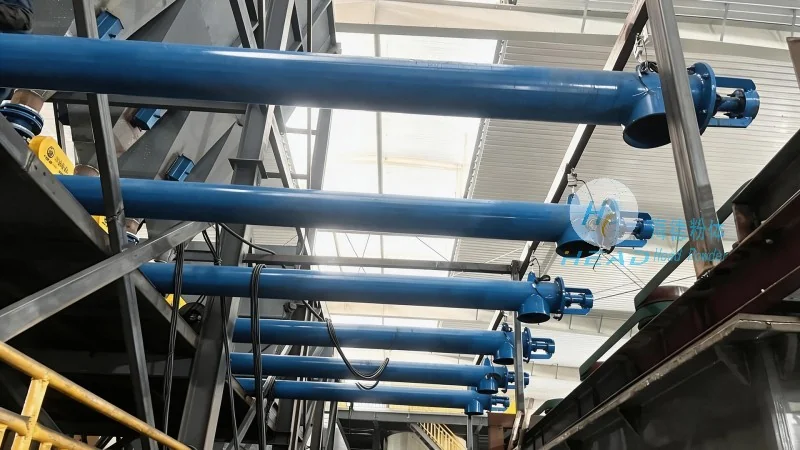
The effectiveness of a centralized feeding system is rooted in its integrated components. Typically, such systems include a large-capacity storage hopper, a feeding mechanism (like a screw or vibratory feeder), a control unit, and a network of delivery lines or tubes that distribute material to various workstations. The storage hopper is designed to hold bulk materials, ensuring a steady supply. The feeding mechanism regulates the flow rate, preventing overfeeding or underfeeding. The control unit, often equipped with sensors and programmable logic, monitors material levels, flow rates, and operational status, enabling real-time adjustments. Delivery lines, usually made of durable materials like stainless steel or plastic, transport the material from the central unit to individual machines, minimizing material degradation and contamination.
Working Scenarios and Practical Applications
Centralized feeding systems are widely adopted across diverse industrial sectors, each with unique operational requirements. In the pharmaceutical industry, for example, such systems are crucial for maintaining strict hygiene standards and ensuring precise dosing of powders or granules. The controlled environment and automated feeding mechanisms help in adhering to regulatory compliance, reducing human error, and enhancing product consistency. In the food processing sector, these systems are employed to handle ingredients like flour, sugar, or spices, where uniformity and contamination prevention are paramount. The ability to centralize material handling also simplifies inventory management, as bulk storage reduces the need for frequent deliveries and improves space utilization.
Advantages in Modern Manufacturing Environments
Implementing a centralized material feeding system offers several advantages that directly impact operational efficiency and cost-effectiveness. One of the primary benefits is the reduction in material waste. By controlling the feeding rate and preventing overfilling, these systems minimize excess material that would otherwise be discarded. Additionally, the centralized storage reduces the need for multiple smaller hoppers, saving space and simplifying maintenance. The automated nature of the system reduces labor costs and minimizes the risk of human error, which is critical in industries where precision is essential. Furthermore, the consistent material flow ensures that machines operate at optimal efficiency, reducing downtime and increasing overall productivity. The integration of sensors and control units allows for real-time monitoring and adjustments, enhancing process reliability and product quality.
Case Study: Application in a Manufacturing Facility
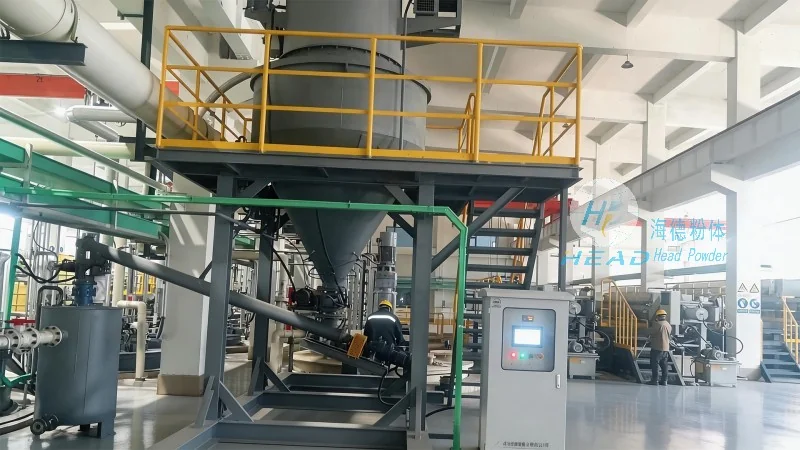
Consider a manufacturing facility in Shandong, China, where Shandong HeadPowder Engineering Co., Ltd. has implemented a centralized feeding system for a production line. The system was designed to handle bulk powders used in the production of pharmaceutical tablets. The large storage hopper, equipped with a vibratory feeder, ensures a steady supply of raw material to the tablet press machines. The control unit monitors material levels and flow rates, automatically adjusting the feeder speed to maintain consistent dosing. This setup has significantly reduced material waste, as the system precisely controls the amount of powder dispensed per tablet. The facility has also reported a decrease in downtime, as the automated feeding process minimizes the need for manual intervention and reduces the risk of overfeeding, which can cause machine jams. The centralized system has also improved space utilization, as the bulk storage reduces the need for multiple smaller hoppers, freeing up floor space for other operations.




