For industrial operations involving sodium sulphate, the selection of an appropriate pneumatic conveying system is critical to ensure efficiency, safety, and cost-effectiveness. Pneumatic conveying systems are widely used in material handling due to their ability to transport bulk materials through pipelines using air or other gases. This article provides a detailed classification of sodium sulphate pneumatic conveying systems and analyzes their practical applications, with a focus on the solutions offered by Shandong HeadPowder Engineering Co., Ltd., a leading provider in the field.
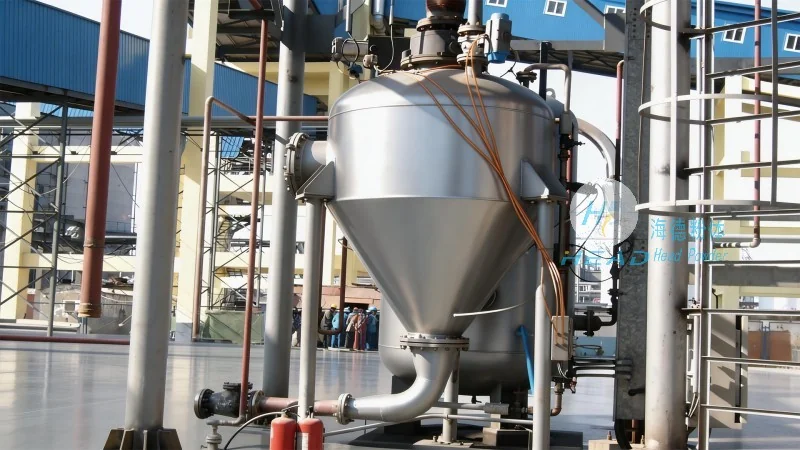
Introduction to Pneumatic Conveying Systems for Sodium Sulphate
Sodium sulphate, also known as Glauber's salt, is a common industrial chemical used in various sectors such as detergents, paper manufacturing, and chemical synthesis. Its handling requires specialized equipment to manage its bulk properties, including particle size, moisture content, and flow characteristics. Pneumatic conveying systems offer a non-contact method of transporting sodium sulphate, minimizing material degradation and contamination. The choice of system depends on factors like the distance of transport, material characteristics, and operational requirements.
Classification of Pneumatic Conveying Systems
Pneumatic conveying systems for sodium sulphate can be broadly classified into two main categories: aspiration (or suction) systems and pressure (or compression) systems. Each type has distinct characteristics and is suitable for different scenarios.
1. Aspiration (Suction) Pneumatic Conveying Systems
Aspiration systems operate by creating a negative pressure at the material inlet, drawing the sodium sulphate into the pipeline. This type of system is ideal for short-distance transport, typically up to 50 meters, and is commonly used in applications where the material is stored in a hopper or silo and needs to be moved to a processing unit. The main advantages of aspiration systems include low initial cost and simplicity of installation. However, they have limitations in terms of maximum transport distance and material capacity, as the suction power diminishes with distance and pipeline length.
2. Pressure (Compression) Pneumatic Conveying Systems
Pressure systems, on the other hand, use positive pressure to push the sodium sulphate through the pipeline. These systems are capable of transporting materials over longer distances, often exceeding 100 meters, and can handle higher material volumes. They are suitable for applications requiring high throughput and long-distance transport, such as moving sodium sulphate from a production facility to a storage or processing site. Pressure systems typically use a blower or compressor to generate the necessary pressure, and they can be further divided into positive displacement blowers and rotary lobe compressors, each with specific performance characteristics.
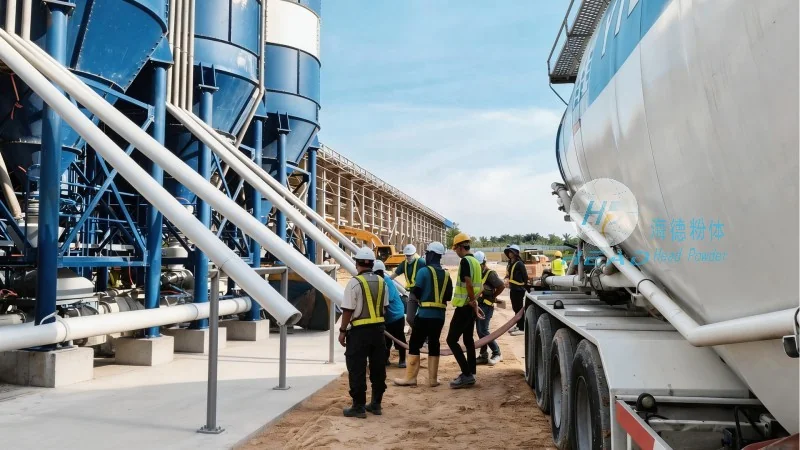
Application Analysis of Different Pneumatic Conveying Systems
The choice of pneumatic conveying system for sodium sulphate depends on the specific application requirements. Shandong HeadPowder Engineering Co., Ltd. offers tailored solutions based on the client's operational needs, ensuring optimal performance and efficiency.
1. Short-Distance Transport in Chemical Plants
In many chemical plants, sodium sulphate is used as an intermediate or raw material and needs to be transferred between processing units within the facility. Aspiration systems are often preferred for these short-distance applications due to their lower cost and ease of integration. The company's engineers design custom aspiration systems that match the plant layout, ensuring smooth material flow and minimal downtime. For example, a client in the detergent manufacturing industry required a system to transport sodium sulphate from a storage silo to a mixing tank. The HeadPowder team designed a compact aspiration system with a high-efficiency fan, achieving a stable flow rate of 2 tons per hour over a distance of 30 meters.
2. Long-Distance Bulk Transport
For industrial sites where sodium sulphate needs to be transported over longer distances, such as from a production plant to a warehouse or a neighboring facility, pressure systems are more suitable. Shandong HeadPowder Engineering Co., Ltd. specializes in designing and implementing pressure conveying systems that can handle large volumes and long pipelines. These systems often include features like pulse-jet cleaning to maintain pipeline efficiency and prevent material buildup. A case study from a paper mill shows the successful implementation of a pressure system that transports sodium sulphate over 150 meters, with a capacity of 5 tons per hour. The system's blower unit, supplied by HeadPowder, operates at a pressure of 0.8 bar, ensuring consistent material delivery without clogging.
3. Specialized Applications in Detergent Production
Sodium sulphate is a key ingredient in detergent formulations, and its handling in production lines requires precise control. Shandong HeadPowder Engineering Co., Ltd. has developed specialized pneumatic conveying solutions for detergent manufacturers. These systems often incorporate features like temperature control and moisture management to prevent material degradation. For instance, a detergent company needed a system to convey sodium sulphate from a drying unit to a packaging line. The HeadPowder solution included a pressure system with a temperature-controlled pipeline, maintaining the material's quality during transport. The system's design minimized dust generation, which is crucial for maintaining a clean production environment.
Technical Advantages and Customization by Shandong HeadPowder Engineering Co., Ltd.
Shandong HeadPowder Engineering Co., Ltd. stands out in the industry by providing customized pneumatic conveying solutions that address the unique challenges of sodium sulphate handling. The company's approach involves a thorough analysis of the client's operational requirements, material properties, and site conditions to design an optimal system.
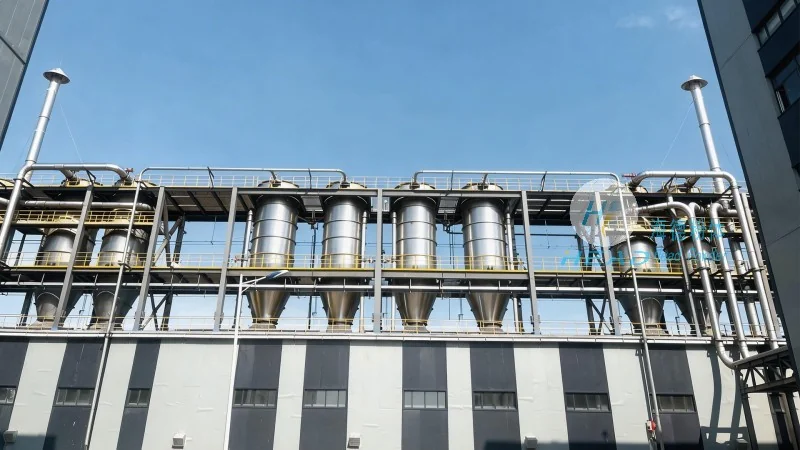
1. Material Compatibility and Wear Resistance
Sodium sulphate can be abrasive, especially when in a fine powder form. HeadPowder uses high-quality materials for pipeline components, such as stainless steel or special alloys, to ensure durability and prevent wear. The company's engineers also consider the particle size distribution and moisture content of the sodium sulphate, selecting appropriate blower types and pipeline diameters to maintain system efficiency. For example, in a project involving fine sodium sulphate particles, the HeadPowder team recommended a system with a larger pipeline diameter and a high-efficiency rotary lobe blower to prevent clogging and maintain consistent flow.
2. Energy Efficiency and Cost Savings
Energy consumption is a significant factor in the operation of pneumatic conveying systems. Shandong HeadPowder Engineering Co., Ltd. designs systems with energy-efficient components, such as variable speed drives for blowers, to reduce operational costs. The company also optimizes the system layout to minimize pipeline length and pressure drop, further enhancing energy efficiency. A client reported a 20% reduction in electricity costs after implementing a HeadPowder-designed pressure system, which included a variable frequency drive (VFD) for the blower.
3. Safety and Environmental Considerations
Pneumatic conveying systems for sodium sulphate must comply with safety and environmental regulations. HeadPowder incorporates safety features like dust suppression systems and explosion-proof components to ensure safe operation. The company also designs systems with minimal environmental impact, such as using closed-loop pipelines to prevent dust emissions and implementing filtration systems to capture any airborne particles. In a project for a chemical plant, the HeadPowder team installed a dust collection system that reduced emissions by 90%, meeting local environmental standards.
Conclusion
Pneumatic conveying systems play a vital role in the efficient handling of sodium sulphate in various industrial applications. The classification and application analysis provided in this article highlight the importance of selecting the right system based on operational requirements. Shandong HeadPowder Engineering Co., Ltd. offers comprehensive solutions, from system design to installation and maintenance, ensuring that clients achieve optimal performance, cost savings, and safety in their sodium sulphate handling operations.




