Triplet lithium materials, such as NMC (Nickel Manganese Cobalt) compounds, are critical components in modern battery technology. Efficient and reliable material handling is essential for the production processes of these high-value materials. Pneumatic conveying systems have emerged as a preferred solution for transporting triplet lithium powders due to their ability to handle fine powders with precision and minimal contamination. This article explores the working principle and key features of pneumatic conveying systems specifically designed for triplet lithium materials, highlighting the technical advantages and practical applications in industrial settings.
Company Introduction
Shandong HeadPowder Engineering Co., Ltd., based in Shandong, China, specializes in the design, manufacturing, and implementation of advanced material handling solutions. With a focus on precision and efficiency, the company provides customized pneumatic conveying systems tailored to the unique requirements of lithium material processing. HeadPowder Engineering leverages decades of experience in powder technology to deliver robust and reliable equipment that meets the stringent standards of the battery manufacturing industry.
Working Principle of Pneumatic Conveying for Triplet Lithium Materials
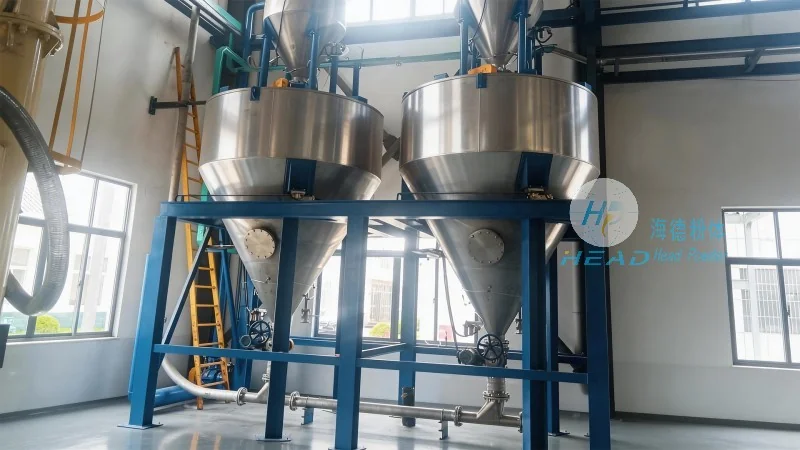
Pneumatic conveying operates by transporting bulk materials through a pipeline using a pressurized or vacuum air stream. In the case of triplet lithium materials, the system typically employs a positive pressure method, where air is blown into the conveying line to move the powder. The working principle involves several key components: a hopper for material storage, a feeder to control the flow rate, a conveying line, and a receiver for the discharged material. The air velocity within the pipeline is maintained above the material's terminal velocity to ensure continuous and unobstructed flow. For fine triplet lithium powders, which are prone to agglomeration and dust generation, specialized equipment such as rotary valves and pulse-jet filters is used to maintain consistent flow and prevent particle degradation.
Key Features of Pneumatic Conveying Systems for Triplet Lithium Materials
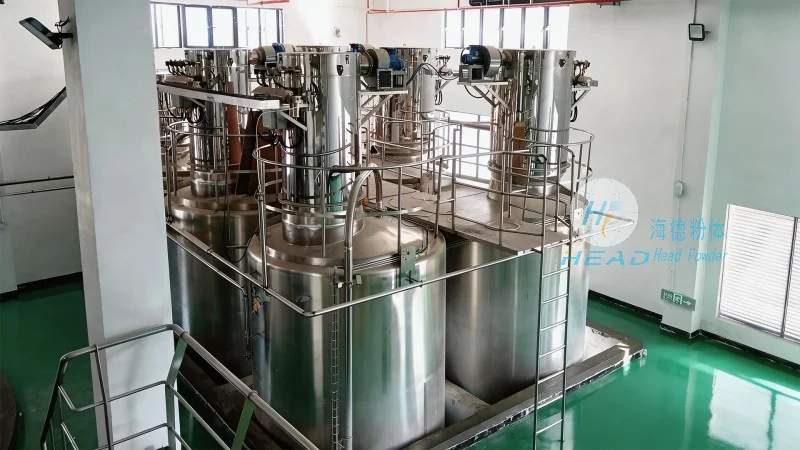
The pneumatic conveying systems for triplet lithium materials exhibit several distinct features that enhance their performance and suitability for battery production. Firstly, they offer high efficiency in material transport, allowing for rapid and continuous movement of powders over long distances without the need for mechanical components like belts or buckets. This reduces downtime and increases overall production throughput. Secondly, the systems are designed to minimize material contamination and degradation. By using enclosed pipelines and controlled air flow, the risk of exposure to moisture, oxygen, or other contaminants is significantly reduced, which is crucial for maintaining the chemical stability of lithium compounds. Thirdly, the systems provide flexibility in layout and integration with existing production lines. They can be easily adapted to different plant configurations, allowing for modular expansion and integration with other processing equipment. Additionally, the systems are energy-efficient compared to traditional methods like bucket elevators or screw conveyors, as they utilize compressed air that can be sourced from existing plant infrastructure. This reduces operational costs and aligns with sustainability goals in the battery industry.
Technical Advantages and Practical Applications
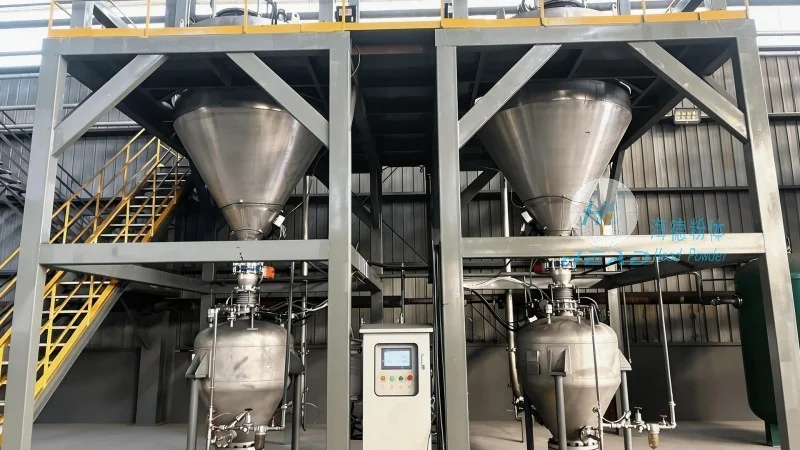
The technical advantages of pneumatic conveying for triplet lithium materials extend beyond efficiency and contamination control. The systems are capable of handling a wide range of particle sizes and bulk densities, making them versatile for different production stages, from raw material feeding to final product packaging. The ability to transport materials in a closed system also enhances workplace safety by eliminating dust exposure and reducing the risk of fire or explosion, which is particularly important for lithium powders that are flammable. In practical applications, these systems are commonly used in battery cell manufacturing facilities to transport NMC powders from storage silos to mixing and coating lines. The precision control of material flow ensures consistent batch-to-batch quality, which is critical for achieving uniform battery performance. Furthermore, the systems can be integrated with automated control systems, allowing for real-time monitoring and adjustment of conveying parameters to optimize performance and reduce waste.
Conclusion
Pneumatic conveying systems represent a sophisticated and effective solution for handling triplet lithium materials in modern battery production. By understanding the working principle and leveraging the key features of these systems, manufacturers can enhance productivity, maintain material quality, and ensure operational safety. Shandong HeadPowder Engineering Co., Ltd. continues to innovate in this field, providing tailored solutions that meet the evolving demands of the battery industry. The adoption of advanced pneumatic conveying technology is essential for achieving high-quality, reliable battery production and supporting the growing demand for electric vehicles and renewable energy storage solutions.




