When it comes to efficient material handling in industrial settings, the choice of equipment can significantly impact productivity and operational costs. One such innovative solution is the vacuum-pressure hybrid material handling system, a technology that combines the best features of both vacuum and pressure-based systems to create a versatile and highly effective method for transporting various materials. This article will explore the fundamental concepts of this system, delving into its design principles and how it addresses the challenges faced by traditional material handling methods.
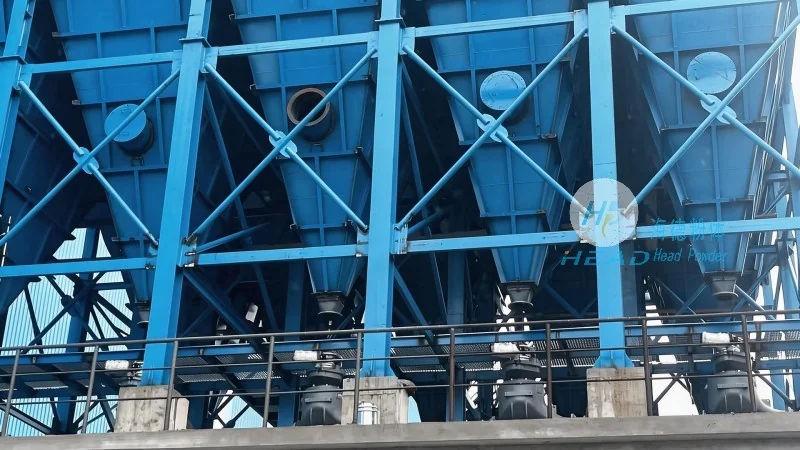
Understanding the Vacuum-Pressure Hybrid Material Handling System
The vacuum-pressure hybrid system represents a sophisticated approach to material handling, integrating the suction capabilities of vacuum technology with the pressure-driven mechanisms of traditional systems. At its core, this system is designed to handle a wide range of materials, from powders and granules to small parts and bulk items, by leveraging the combined forces of vacuum and pressure. The primary goal is to achieve efficient, controlled movement of materials with minimal energy consumption and reduced operational complexity.
Key Design Principles of the Vacuum-Pressure Hybrid System
The design of a vacuum-pressure hybrid material handling system is governed by several critical principles that ensure its effectiveness and reliability. These principles include the integration of vacuum and pressure sources, the use of flexible hoses or conveyor belts for material transport, and the incorporation of control mechanisms that allow for precise regulation of material flow. The system is engineered to maintain a consistent pressure differential, which is essential for maintaining the integrity of the material being handled and preventing spillage or degradation. Additionally, the design emphasizes durability and ease of maintenance, making it suitable for continuous industrial use.
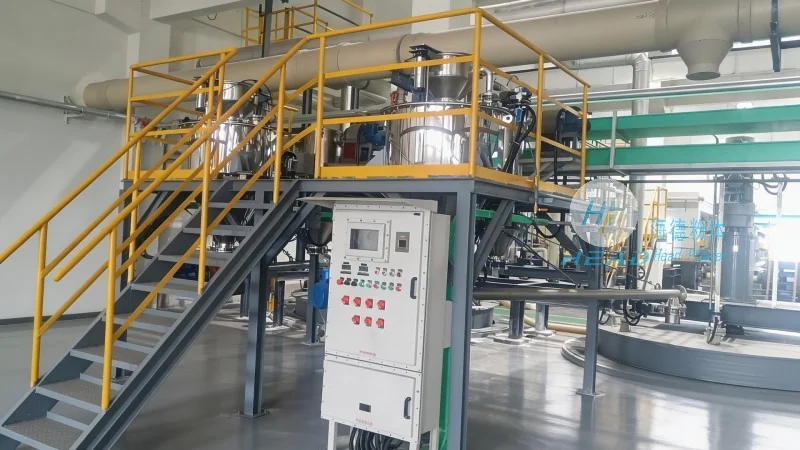
How the System Works: A Step-by-Step Overview
Operating the vacuum-pressure hybrid system involves a series of coordinated actions that ensure smooth material transport. Initially, the vacuum component creates a negative pressure zone, which draws the material into the system's intake. Simultaneously, the pressure component provides the necessary force to move the material along the transport path, whether it's a flexible hose or a conveyor belt. The system's control unit monitors the pressure levels and adjusts them in real-time to maintain optimal flow rates. This dual-action approach allows for precise control over the material's movement, enabling it to navigate obstacles and changes in direction with ease.
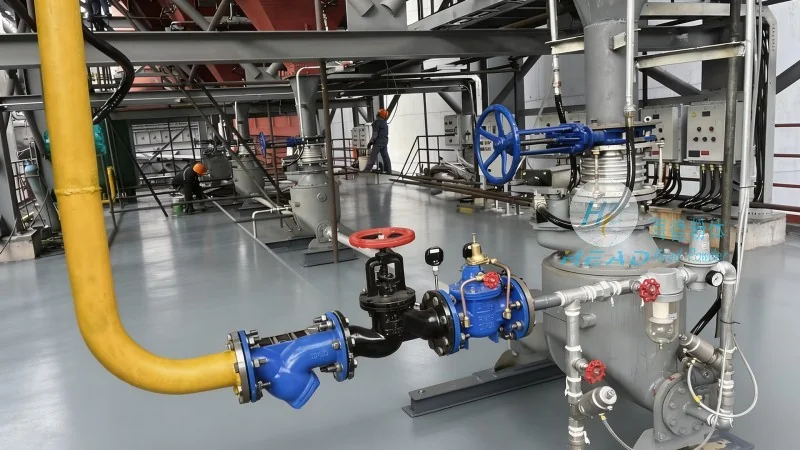
Advantages of the Vacuum-Pressure Hybrid Material Handling System
The vacuum-pressure hybrid material handling system, developed by Shandong HeadPowder Engineering Co., Ltd. (headpowder), offers several distinct advantages. Compared to traditional vacuum or pressure-only systems, this hybrid approach provides enhanced versatility, allowing it to handle a broader range of materials, including those sensitive to pressure or vacuum alone. The system also reduces energy consumption by optimizing the pressure differential, leading to lower operational costs over time. Furthermore, the hybrid design minimizes the risk of material damage or contamination, as the controlled environment ensures that the material remains intact throughout the transport process. Another key benefit is the reduced need for manual intervention, as the system can operate autonomously with minimal supervision.
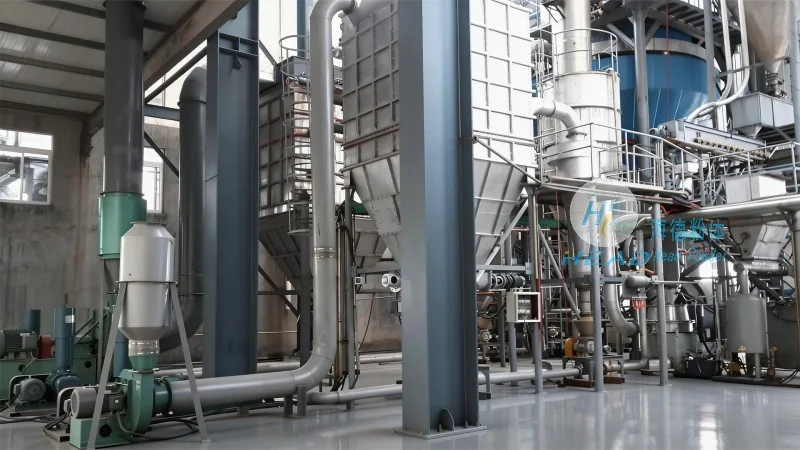
Applications in Industrial Settings
The vacuum-pressure hybrid material handling system finds applications in various industries, including pharmaceuticals, food processing, and manufacturing. In the pharmaceutical industry, it is used to transport sensitive powders and granules, ensuring that the materials remain sterile and uncontaminated. In food processing, the system handles ingredients like flour and spices, maintaining their quality and preventing cross-contamination. In manufacturing, it is employed to move small parts and components on assembly lines, improving efficiency and reducing the risk of human error. The adaptability of the system makes it suitable for both small-scale and large-scale operations, catering to the diverse needs of modern industries.
Conclusion: The Future of Material Handling
As industrial demands continue to evolve, the vacuum-pressure hybrid material handling system stands out as a reliable and efficient solution for material transport. Its design principles, which prioritize versatility, energy efficiency, and material integrity, make it a valuable asset for any organization seeking to enhance its operational capabilities. By combining the strengths of vacuum and pressure technology, this system addresses the limitations of traditional methods and offers a forward-thinking approach to material handling. For businesses looking to optimize their processes and reduce costs, the vacuum-pressure hybrid system represents a promising investment in their future success.




