For industries dealing with ceramic particle materials, efficient material handling is crucial. Pneumatic conveying systems offer a reliable solution for transporting these materials, and understanding their working principles and key characteristics is essential for optimizing operational efficiency and ensuring product quality.
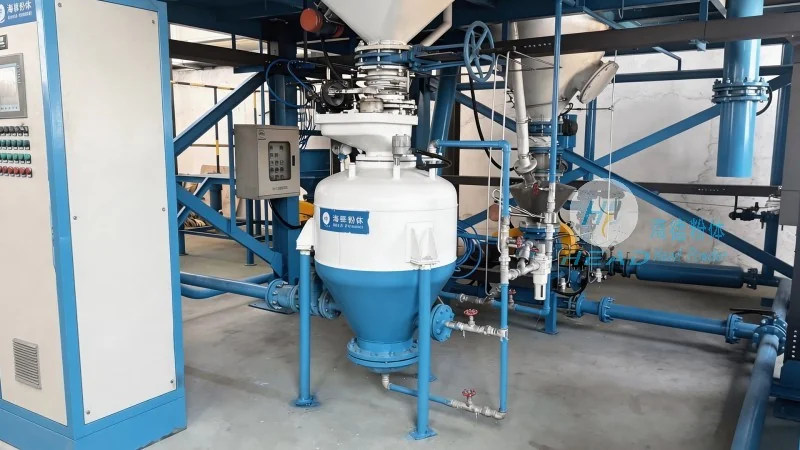
Understanding the Working Principle of Pneumatic Conveying for Ceramic Particles
Pneumatic conveying utilizes compressed air or gas as the primary driving force to transport bulk materials like ceramic particles through a pipeline system. The process typically involves several key components, including a material feeder, a conveying line, and a receiver or discharge point. The material is introduced into the system at the feeder, where it is mixed with the air stream. As the air flows through the pipeline, it creates a flow that lifts and propels the ceramic particles forward. This method eliminates the need for mechanical components like belts or buckets, reducing maintenance requirements and minimizing the risk of material contamination.
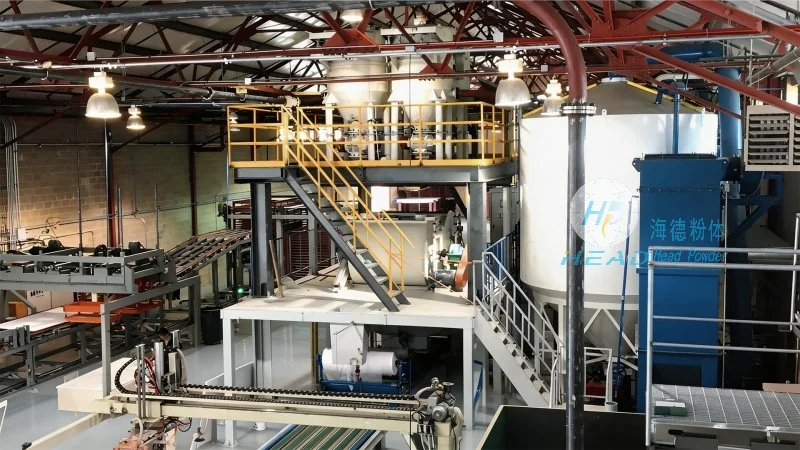
Key Characteristics of Pneumatic Conveying Systems for Ceramic Materials
When considering pneumatic conveying for ceramic particle applications, several distinct characteristics stand out. First, the system offers high efficiency in terms of material throughput, allowing for continuous and rapid transport of large volumes of ceramic particles. This is particularly beneficial for production lines that require consistent material supply. Second, pneumatic conveying provides a clean and hygienic environment, as the material is enclosed within the pipeline, preventing exposure to dust and contaminants. This is critical for maintaining the purity of ceramic products, which are often used in applications where quality is paramount. Third, the system is flexible in terms of layout, as the pipeline can be configured to follow the existing factory layout, minimizing space requirements and adapting to different production setups. Additionally, pneumatic conveying systems are relatively low in maintenance compared to other bulk material handling methods, reducing operational costs over time.
Applications and Benefits in Ceramic Manufacturing
The advantages of pneumatic conveying for ceramic particles are evident in various manufacturing processes. For example, in the production of ceramic tiles or sanitaryware, the system can efficiently transport raw ceramic powders from storage to mixing and molding equipment. This ensures a steady supply of material, reducing downtime and improving production throughput. Similarly, in the manufacturing of ceramic filters or catalysts, the ability to handle fine ceramic powders without agglomeration is vital. Pneumatic conveying systems excel in this regard, as they can handle particles with a wide range of sizes and densities, maintaining the integrity of the material. The clean and dust-free operation also helps in maintaining a safe working environment, which is essential in industrial settings.
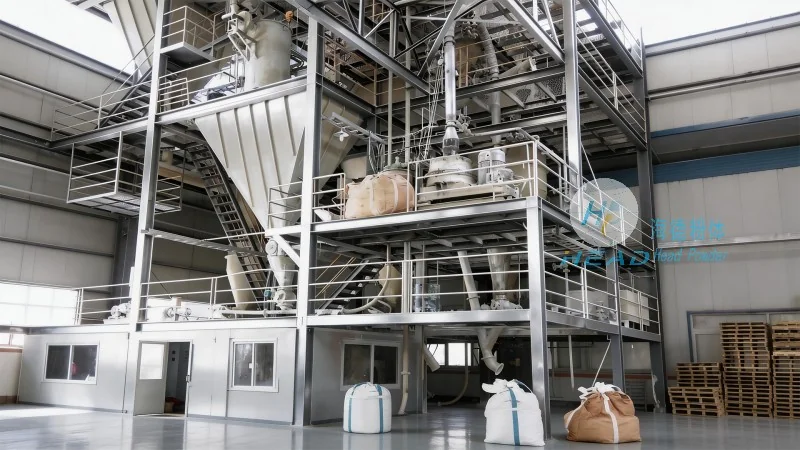
Company Overview: Shandong HeadPowder Engineering Co., Ltd.
Shandong HeadPowder Engineering Co., Ltd., operating under the brand name headpowder, specializes in the design, manufacturing, and installation of advanced pneumatic conveying systems tailored for ceramic particle applications. With a focus on innovation and customer-centric solutions, the company provides customized systems that meet the specific needs of each client. HeadPowder's expertise lies in understanding the unique challenges of ceramic material handling, such as particle size, density, and moisture content, and developing solutions that address these challenges effectively. The company's facilities are located in Shandong, China, where it leverages local resources and expertise to deliver high-quality products and services to the global market.




