Shandong HeadPowder Engineering Co., Ltd., commonly known as HeadPowder, is a professional manufacturer and supplier of pneumatic conveying systems. With a focus on industrial material handling solutions, the company specializes in designing and implementing efficient systems for transporting various bulk materials, including styrene. This article explores the working principle and key characteristics of pneumatic conveying for styrene materials, highlighting the technical aspects and benefits of such systems.
Working Principle of Pneumatic Conveying for Styrene Materials
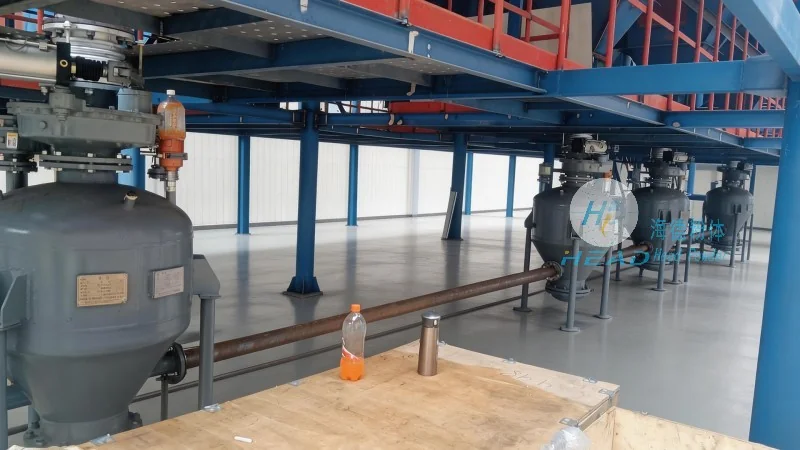
Pneumatic conveying for styrene materials operates by utilizing compressed air or other gases as the primary driving force to transport solid particles through a pipeline. The process involves several key steps: first, styrene granules are fed into the system from a hopper or feeder. Then, a blower or compressor generates the necessary air pressure to create a flow of air within the conveying line. The air and styrene particles are mixed, forming a suspension that moves through the pipeline under the pressure gradient. The system typically includes components such as a feed hopper, a rotary valve, a pipeline network, and a receiver or separator at the discharge end. The air pressure ensures that the styrene particles are carried along with the gas stream, overcoming gravity and friction within the pipeline. At the receiving end, a separator (like a cyclone or bag filter) separates the styrene from the air, allowing the material to be collected in a storage bin or processing unit. This method eliminates the need for mechanical components like belts or buckets, making it suitable for materials that are difficult to handle with traditional bulk transport methods.
Key Characteristics of Styrene Pneumatic Conveying Systems
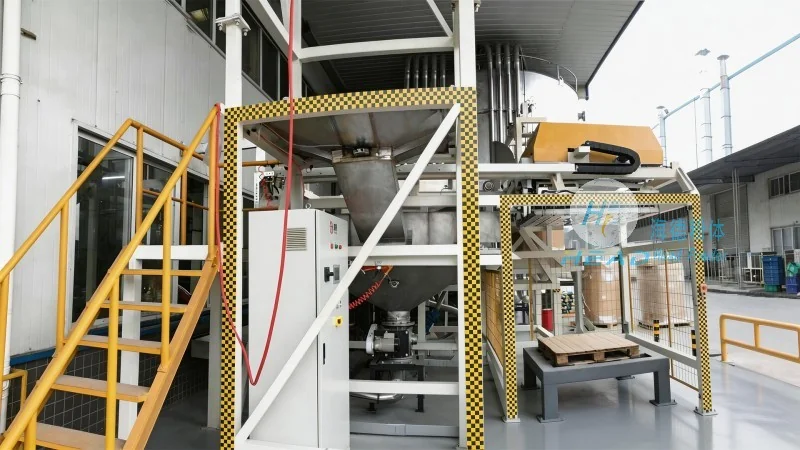
Systems designed for styrene pneumatic conveying exhibit several notable characteristics that make them advantageous in industrial applications. Firstly, they offer high efficiency in material transport, as the entire process is automated and can handle large volumes of styrene with minimal labor. The enclosed pipeline system reduces dust exposure, enhancing workplace safety and compliance with environmental regulations. Unlike mechanical conveying methods, pneumatic systems are less prone to material degradation or contamination, which is critical for styrene, a polymer precursor that requires careful handling to maintain its quality. Additionally, these systems are flexible in terms of layout, allowing for vertical, horizontal, or mixed-direction conveying, adapting to the spatial constraints of different industrial facilities. Energy efficiency is another key characteristic, as modern systems use optimized air flow and pressure control to minimize energy consumption while maintaining reliable performance. Maintenance requirements are relatively low compared to mechanical systems, as there are fewer moving parts, reducing downtime and operational costs. The compact design of pneumatic conveying units also contributes to space-saving advantages, making them suitable for installations where floor space is limited. Furthermore, the ability to integrate with other processing equipment, such as reactors or storage tanks, allows for seamless material flow in production lines, improving overall operational efficiency.
Application Benefits and Considerations
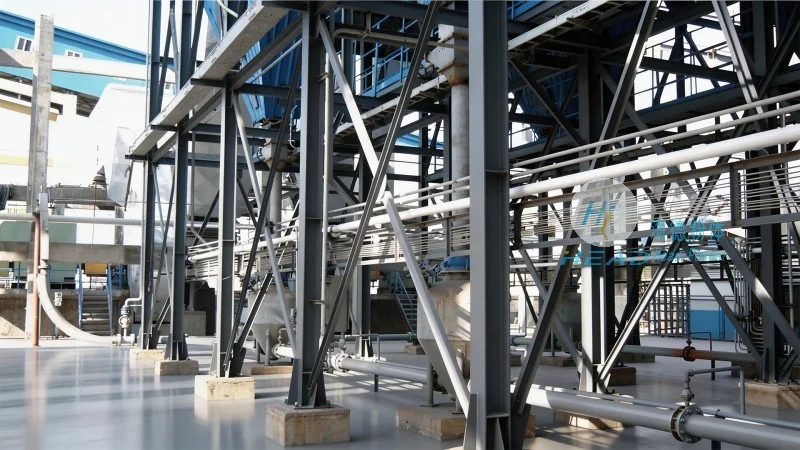
The adoption of pneumatic conveying systems for styrene materials brings several practical benefits to industrial operations. By eliminating the need for manual handling or open storage, the risk of dust explosions and occupational health hazards is significantly reduced. This not only improves safety but also aligns with stringent environmental standards, as the system captures and filters particulate emissions. The consistent flow of styrene ensures stable production processes, particularly in polymer manufacturing, where uniform material feed is crucial for product quality. From a logistical perspective, pneumatic systems enable the integration of multiple production stages, such as raw material transport, intermediate storage, and final product packaging, into a single, automated workflow. This integration streamlines operations and reduces the need for intermediate handling, which can introduce errors or delays. However, certain considerations must be addressed when implementing such systems. The choice of air pressure and flow rate is critical, as excessive pressure can lead to equipment wear or material degradation, while insufficient pressure may result in incomplete conveying. The material properties of styrene, including its density, particle size distribution, and moisture content, also influence the system design. For example, cohesive or sticky styrene particles may require specialized feed mechanisms or additives to prevent blockages. Additionally, the system's scalability is important for facilities planning, as the conveying capacity must match the production rate and future expansion needs. Proper maintenance, including regular cleaning of pipelines and filters, is essential to prevent clogging and ensure long-term reliability. By addressing these factors, industrial facilities can maximize the benefits of pneumatic conveying while minimizing operational challenges.




