Brewery operations generate significant volumes of waste material, commonly known as brewery slurry or waste mash. Efficient handling and transportation of this material are crucial for maintaining operational efficiency and ensuring compliance with environmental regulations. The brewery waste material conveying line is a specialized system designed to address these challenges, offering a reliable solution for the transport of slurry from various points within the brewery to disposal or processing facilities. This article explores the working principle and key features of such a conveying line, highlighting its importance in modern brewery management.
Working Principle of Brewery Waste Material Conveying Lines
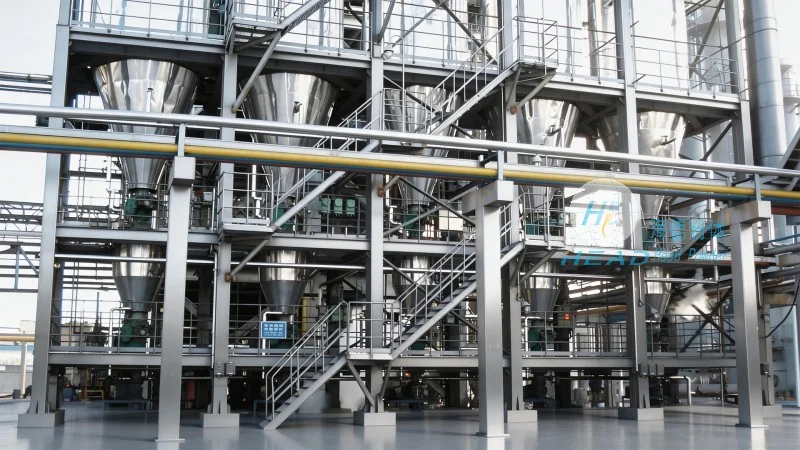
The core working principle of a brewery waste material conveying line revolves around the use of robust, low-speed machinery capable of handling high-viscosity, abrasive, and often corrosive slurry. The system typically comprises several key components, including a feed hopper, a conveyor mechanism (such as a screw conveyor or belt conveyor), and a control system. The process begins with the collection of slurry from the brewery's fermentation or filtration stages. The slurry is then fed into the hopper, where it is transferred to the conveyor. The conveyor, often a heavy-duty screw or a specialized belt system, moves the material through the line under controlled pressure and speed. The design of the conveyor ensures minimal wear and tear, as the material is handled gently to prevent clogging or damage to the equipment. The control system monitors the flow rate, pressure, and temperature, ensuring optimal operation and preventing system failures. This integrated approach allows for a continuous and efficient transport of brewery waste material, minimizing downtime and maximizing productivity.
Key Features of Brewery Waste Material Conveying Lines
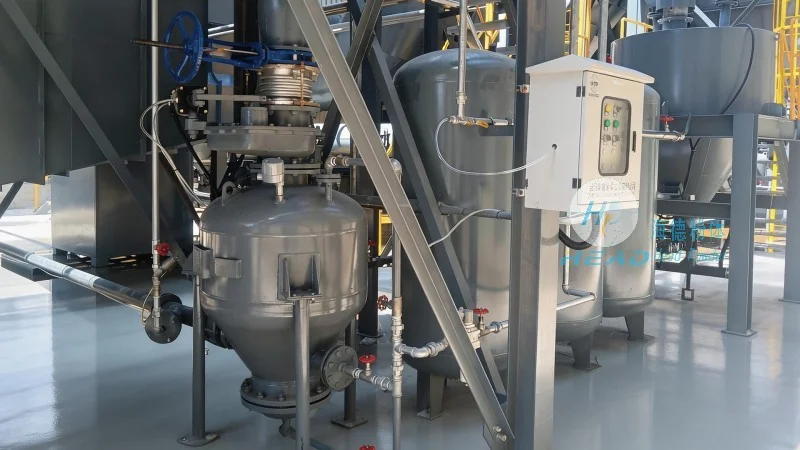
Brewery waste material conveying lines are characterized by several distinct features that make them suitable for the demanding conditions of brewery operations. Firstly, the equipment is constructed from high-quality, corrosion-resistant materials, such as stainless steel or specialized alloys, to withstand the acidic and abrasive nature of the slurry. This ensures long-term durability and minimal maintenance. Secondly, the conveying system is designed for low-speed operation, which reduces the risk of material degradation and minimizes energy consumption. The low-speed design also helps to prevent clogging and ensures smooth flow. Thirdly, the system incorporates advanced sealing and lubrication mechanisms to maintain airtight operation and reduce friction, further enhancing efficiency and longevity. Additionally, the conveying line is equipped with monitoring and control systems that provide real-time data on the process, allowing for immediate adjustments and troubleshooting. These features collectively contribute to a reliable, efficient, and cost-effective solution for brewery waste management.
Benefits of Using Brewery Waste Material Conveying Lines
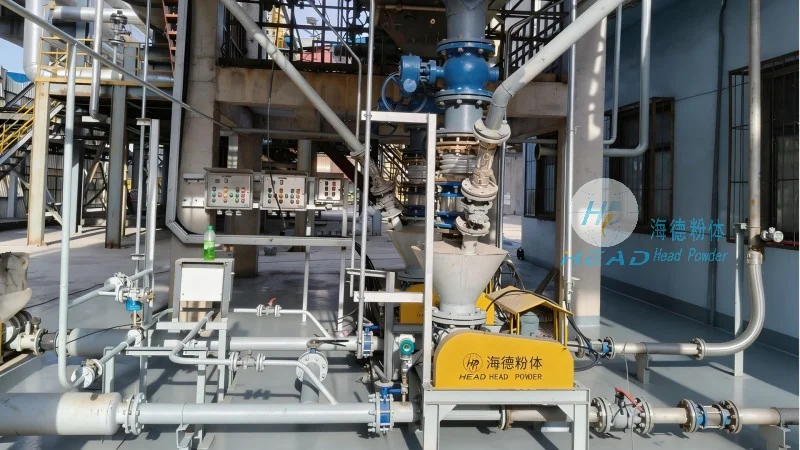
Implementing a brewery waste material conveying line offers numerous benefits for breweries, including improved operational efficiency, reduced labor costs, and enhanced environmental compliance. By automating the transport of slurry, the system minimizes the need for manual handling, which is not only labor-intensive but also poses health and safety risks. The automated process ensures consistent flow rates and reduces the likelihood of spills or leaks, which can lead to environmental contamination. Furthermore, the efficient transport of waste material allows for timely disposal or processing, preventing the accumulation of slurry and maintaining a clean working environment. The system also contributes to energy savings through its low-speed, high-efficiency design, reducing operational costs over time. Overall, the use of a brewery waste material conveying line is a strategic investment that enhances the overall performance and sustainability of the brewery.
Conclusion
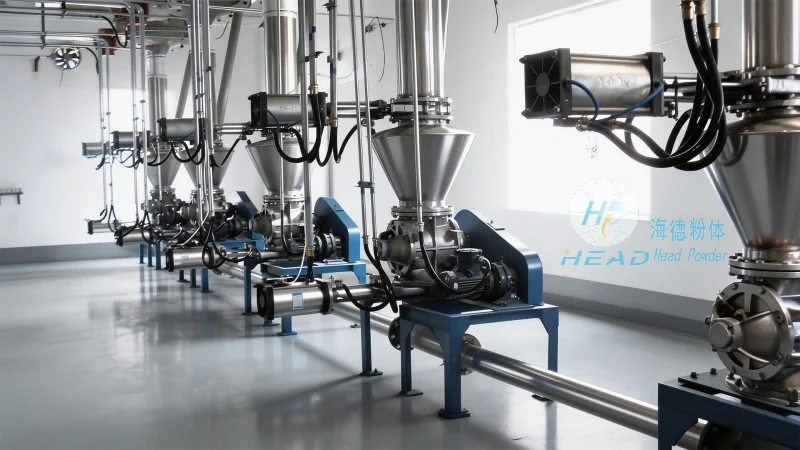
In conclusion, the brewery waste material conveying line is a critical component of modern brewery operations, providing an efficient and reliable solution for the transport of slurry. Its working principle, based on robust, low-speed machinery and advanced control systems, ensures optimal performance under challenging conditions. The key features, including corrosion-resistant materials, low-speed operation, and integrated monitoring, make it a durable and efficient choice for breweries. By implementing such a system, breweries can improve operational efficiency, reduce costs, and enhance environmental compliance. As a leading provider of engineering solutions for the brewing industry, Shandong HeadPowder Engineering Co., Ltd. specializes in designing and manufacturing high-quality conveying lines tailored to the specific needs of breweries, ensuring that their operations run smoothly and sustainably.




