HeadPowder, a leading manufacturer in the field of material handling solutions, specializes in providing advanced pneumatic conveying systems tailored for various industrial applications. This article delves into the fundamental principles and operational characteristics of pneumatic conveying equipment designed specifically for polyethylene pellet materials, highlighting its efficiency and versatility in different working environments.
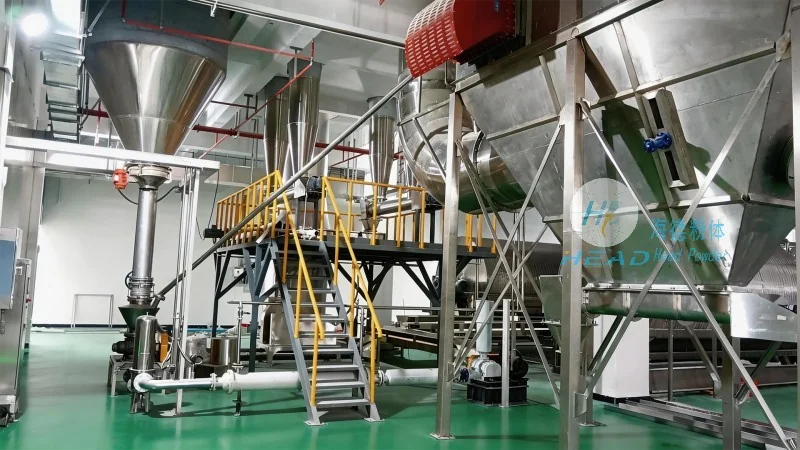
Polyethylene Pellet Pneumatic Conveying Equipment: An Overview
Polyethylene (PE) pellets are widely used in manufacturing processes due to their versatility and ease of processing. The pneumatic conveying equipment for these materials is engineered to transport these lightweight, granular particles efficiently over short to medium distances. The system typically consists of a hopper for material storage, a blower or compressor to generate airflow, and a pipeline network that directs the pellets from the source to the destination. This equipment is crucial in industries such as plastics manufacturing, chemical processing, and food processing, where the need for clean, dust-free material transfer is paramount.
The Core Principle of Pneumatic Conveying for Polyethylene Pellets
The fundamental principle behind pneumatic conveying of polyethylene pellets is the use of air as the conveying medium. The system operates by creating a pressure differential between the inlet and outlet of the pipeline. As the blower or compressor supplies compressed air, it entrains the polyethylene pellets into the airflow, forming a dense phase or dilute phase stream depending on the system design. The dense phase conveying method is often preferred for polyethylene pellets as it minimizes particle degradation and reduces the risk of clogging in the pipeline. This method involves maintaining a higher concentration of pellets in the air stream, which helps in maintaining the material's integrity during transport.
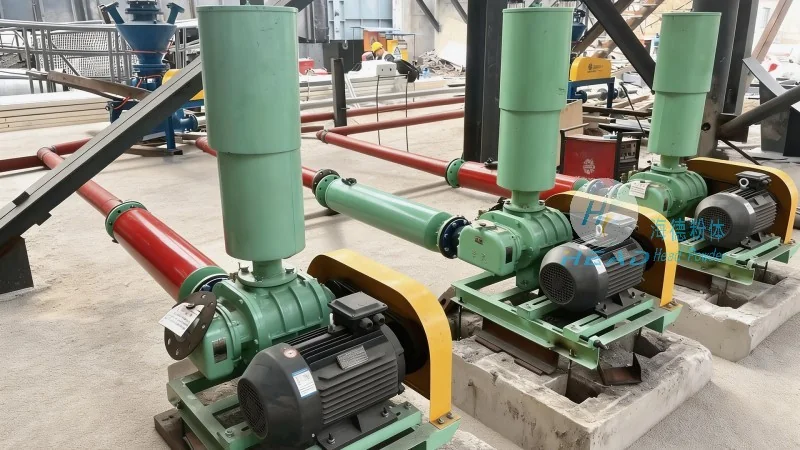
Key Working Scene Characteristics
The working scene characteristics of polyethylene pellet pneumatic conveying equipment are tailored to meet the specific demands of industrial settings. One of the primary characteristics is the ability to handle varying particle sizes and densities without compromising the conveying efficiency. The equipment is designed to accommodate different batch sizes and production rates, making it adaptable to both continuous and batch processing operations. Additionally, the system is equipped with features such as air filtration and dust collection to ensure a clean and safe working environment, which is essential in industries where air quality regulations are stringent.
Operational Efficiency and Maintenance Considerations
The efficiency of pneumatic conveying systems for polyethylene pellets is influenced by several factors, including the air velocity, pipeline diameter, and the length of the conveying line. Proper design and sizing of these components are critical to achieving optimal performance. For instance, maintaining an appropriate air velocity ensures that the pellets are adequately entrained without causing excessive wear on the pipeline or components. Regular maintenance, including cleaning of the hopper, blower, and pipeline, is essential to prevent blockages and ensure consistent operation. HeadPowder's equipment is built with durable materials and advanced control systems that enhance operational reliability and reduce downtime.
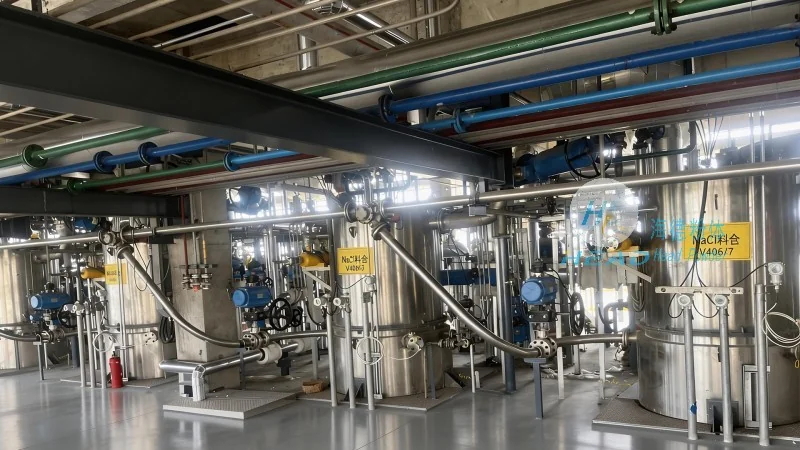
Application in Diverse Industrial Environments
Polyethylene pellet pneumatic conveying equipment is widely used in various industrial environments, from small-scale manufacturing facilities to large-scale production plants. In plastics manufacturing, it is commonly employed to transport pellets from storage silos to extrusion machines, ensuring a continuous and uninterrupted supply of raw material. In chemical processing, the equipment is used to transfer polyethylene pellets between processing units, such as reactors and reactors, where precise control over material flow is necessary. The versatility of the system also makes it suitable for use in food processing industries, where hygiene and safety are top priorities. The equipment's ability to handle clean and dry materials without contamination makes it an ideal choice for these applications.
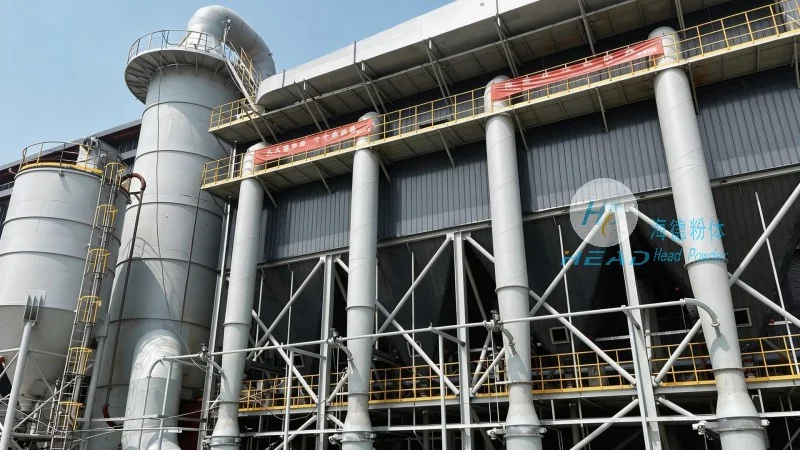
Advantages of Choosing Polyethylene Pellet Pneumatic Conveying Systems
Implementing pneumatic conveying systems for polyethylene pellets offers several advantages over traditional material handling methods. One of the most significant benefits is the reduction in labor costs and operational time, as the system automates the material transfer process. Additionally, the equipment eliminates the need for manual handling, which reduces the risk of workplace injuries and improves overall safety. The system also minimizes material loss and contamination, which is crucial in industries where product quality is a key concern. Furthermore, the compact design of the equipment allows for easy integration into existing production lines, making it a cost-effective solution for upgrading or expanding material handling capabilities.
Conclusion
HeadPowder, with its headquarters in Shandong, China, has established itself as a trusted provider of high-quality pneumatic conveying solutions for polyethylene pellets. By leveraging advanced engineering and manufacturing capabilities, HeadPowder ensures that its equipment meets the stringent requirements of modern industrial applications. The principles and characteristics discussed in this article underscore the importance of selecting the right pneumatic conveying system for polyethylene pellets, and HeadPowder's products are designed to deliver reliable, efficient, and safe material handling solutions that enhance overall operational performance and contribute to the success of industrial enterprises.




