Alumina hydroxide, a key raw material in the chemical and metallurgical industries, often requires efficient and reliable transportation methods to ensure smooth production processes. The pneumatic conveying machine for alumina hydroxide is a specialized equipment designed to handle this material with precision and efficiency. This article delves into the principle and working characteristics of such a machine, along with its typical application scenarios.
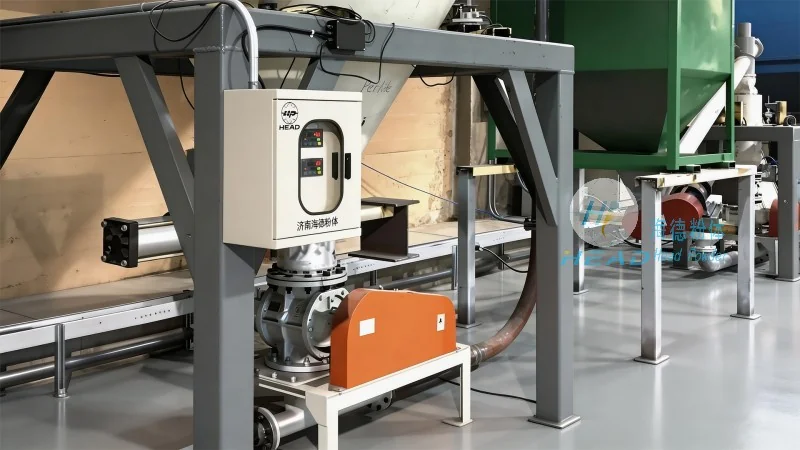
Introduction to Alumina Hydroxide Pneumatic Conveying
Alumina hydroxide, also known as aluminum hydroxide, is a white or off-white solid with a chemical formula of Al(OH)₃. It is widely used as a flame retardant, filler, and in the production of aluminum metal. Due to its fine particle size and relatively low density, traditional conveying methods like belt conveyors or bucket elevators may not be suitable for handling this material without causing dust, clogging, or degradation. Pneumatic conveying offers a solution by using air to transport the material in a closed system, minimizing contamination and ensuring consistent flow.
The Core Principle of Pneumatic Conveying
The fundamental principle of pneumatic conveying involves the use of compressed air to move particulate materials through a pipeline. In the case of alumina hydroxide, the system typically operates under positive pressure, where air is forced through the material to create a gas-solid mixture. The air velocity is carefully controlled to maintain a stable flow, preventing material deposition or blockages. The machine consists of several key components: a hopper for material storage, a feeder to control the flow rate, a pipeline system, and a receiver for the discharged material. The air is supplied by a blower or compressor, and the pressure is regulated to match the material's properties and the system's requirements.
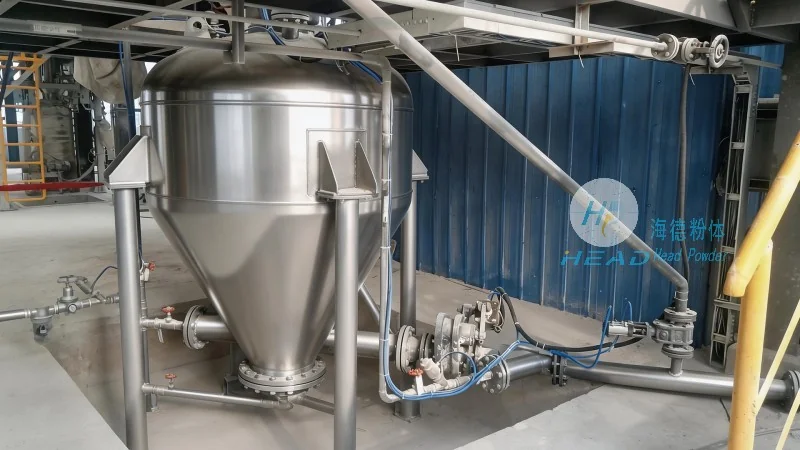
Working Characteristics and Advantages
When operating the alumina hydroxide pneumatic conveying machine, several characteristics define its performance. The system is designed to handle fine particles with high efficiency, ensuring minimal loss and maximum throughput. The closed pipeline design prevents dust emissions, which is crucial for maintaining a clean and safe working environment. Additionally, the machine can handle varying material flow rates, adapting to different production demands. The advantages of this technology include reduced labor costs, lower maintenance requirements compared to mechanical conveyors, and the ability to transport materials over long distances without the need for intermediate storage or transfer points.
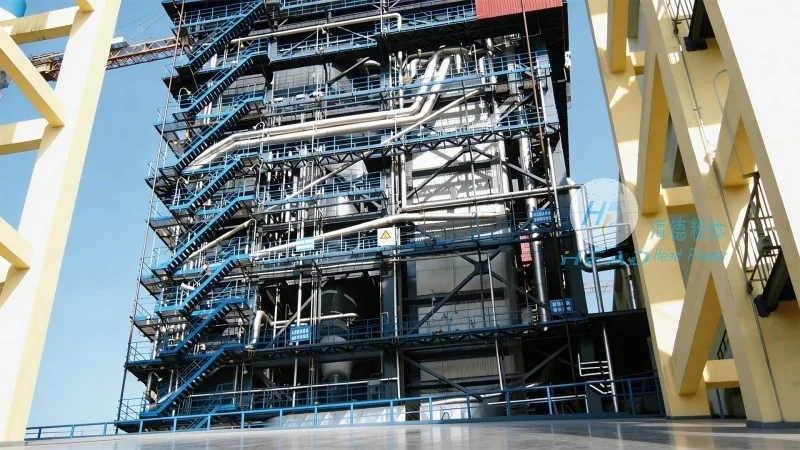
Typical Working Scene Characteristics
The working scene characteristics of the alumina hydroxide pneumatic conveying machine are tailored to the specific needs of industrial applications. In chemical plants, for instance, the machine is often integrated into the production line to transport alumina hydroxide from grinding and drying units to mixing or packaging areas. The system is designed to operate continuously, with automated controls that adjust air pressure and flow rate based on real-time production data. In metallurgical facilities, the machine may be used to convey alumina hydroxide from storage silos to smelting furnaces, where it serves as a raw material for aluminum production. The working environment may involve high temperatures or corrosive conditions, and the machine is constructed with materials that can withstand such challenges, such as stainless steel or specialized coatings.
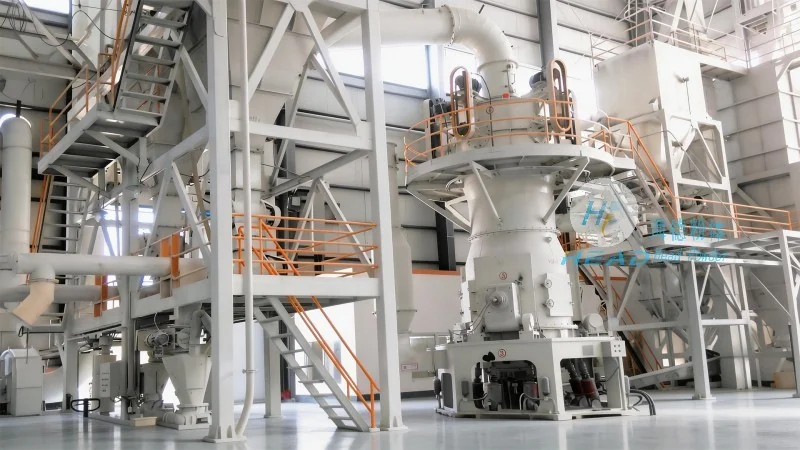
Application Scenarios and Industry Integration
The alumina hydroxide pneumatic conveying machine is widely used in various industrial sectors. In the chemical industry, it is essential for transporting flame retardants and fillers in the production of plastics, paints, and coatings. In the metallurgical industry, it plays a critical role in the aluminum production process, where alumina hydroxide is converted into aluminum oxide and then to aluminum metal. The machine's ability to handle fine particles and maintain consistent flow makes it suitable for applications where material quality is paramount. Furthermore, the system can be customized to fit specific plant layouts, with options for vertical or horizontal pipeline configurations, and can be integrated with other equipment like mixers, classifiers, or storage tanks.
Conclusion and Company Overview
Alumina hydroxide pneumatic conveying machines are indispensable equipment for industries relying on efficient material handling. By leveraging the principles of pneumatic conveying, these machines ensure reliable and clean transportation of alumina hydroxide, supporting the smooth operation of production lines. Shandong HeadPowder Engineering Co., Ltd., a leading manufacturer based in China, specializes in designing and manufacturing such equipment tailored to the needs of various industries. With a focus on quality and innovation, the company provides solutions that enhance productivity and safety in material handling processes. The working scene characteristics and application scenarios of these machines highlight their versatility and importance in modern industrial operations.




