HeadPowder, a leading provider of industrial material handling solutions, specializes in advanced pneumatic conveying systems designed for the efficient transport of fiber materials. With a strong presence in Shandong, China, the company has established itself as a trusted partner for businesses seeking reliable and high-performance equipment for their material handling needs. This article explores the fundamental principles behind fiber material pneumatic conveying machines and highlights the key characteristics of their operational scenarios, offering insights into how these systems enhance productivity and operational efficiency in various industrial applications.
Understanding the Working Principle of Fiber Material Pneumatic Conveying Machines
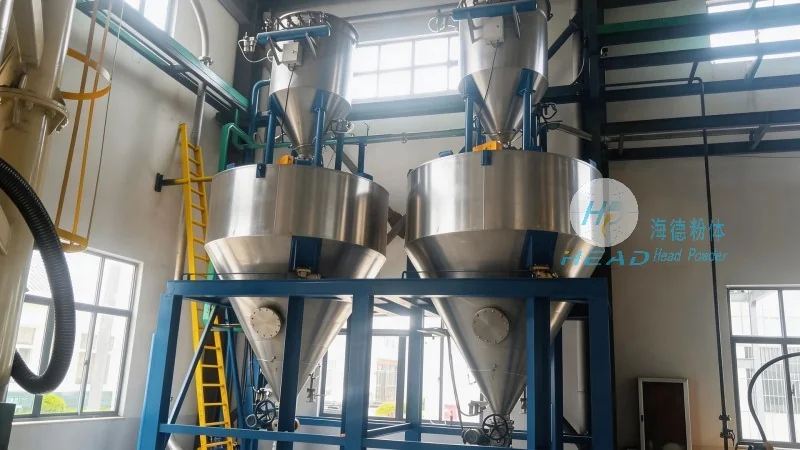
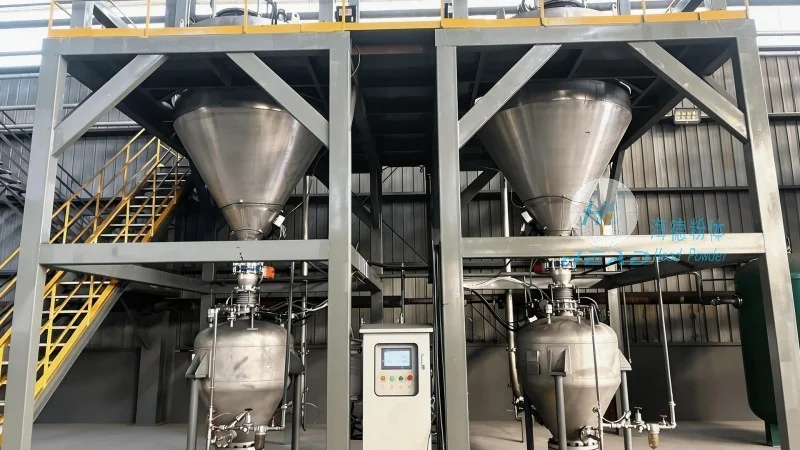
Fiber material pneumatic conveying machines operate on the principle of transporting bulk materials through a pipeline using a stream of air or gas. Unlike traditional mechanical conveyors, which rely on mechanical components like belts or screws, pneumatic systems utilize air pressure to move materials. The process typically involves a hopper where the fiber material is stored, a blower or compressor that generates the air flow, and a pipeline system that transports the material from the source to the destination. The key components of such a system include the hopper, feeder, airlock, pipeline, and receiver. The feeder ensures a consistent flow of material into the system, while the airlock prevents the backflow of air and material. The blower provides the necessary pressure to move the material through the pipeline, and the receiver collects the material at the end of the transport path. For fiber materials, which often have varying particle sizes and moisture content, the design of the conveying system must account for these characteristics to ensure smooth and efficient transport. Advanced systems may incorporate features like adjustable air flow rates, variable speed feeders, and specialized hopper designs to handle the unique properties of fiber materials, minimizing issues such as blockages or material degradation.
Key Characteristics of Working Scenes for Fiber Material Pneumatic Conveying
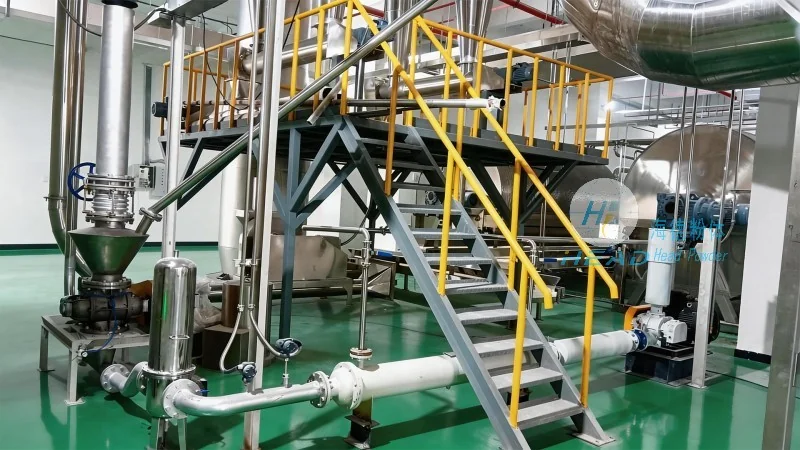
The operational scenarios for fiber material pneumatic conveying machines are diverse and tailored to the specific requirements of different industries. These systems are commonly used in sectors such as paper manufacturing, textile processing, and chemical processing, where the transport of fiber-based materials is critical to production processes. In the paper industry, for example, these machines are used to convey raw materials like wood chips or recycled paper fibers from storage to processing units. The ability to handle large volumes of material with minimal downtime and low maintenance makes pneumatic conveying an attractive option for paper mills. Similarly, in the textile industry, fiber material pneumatic conveyors are employed to transport raw fibers from storage to spinning machines, ensuring a continuous supply of material for production. The flexibility of pneumatic systems allows them to adapt to different production scales and material types, making them suitable for both small-scale and large-scale operations. Another important characteristic of working scenes is the environmental impact. Pneumatic conveying systems are generally considered more environmentally friendly compared to traditional mechanical conveyors, as they do not require physical contact with the material and can reduce dust emissions through proper filtration and sealing. This makes them a preferred choice for industries where dust control is a priority. Additionally, the compact design of pneumatic conveying systems allows for easier integration into existing production lines, reducing the need for extensive modifications to facility layouts. The operational efficiency of these systems is also a significant advantage, as they can operate continuously with minimal supervision, leading to increased productivity and reduced labor costs.
Advantages and Applications in Industrial Settings
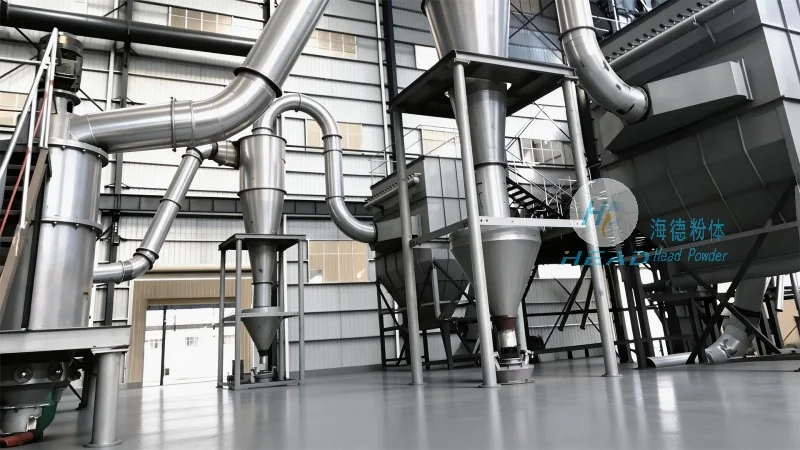
When considering the advantages of fiber material pneumatic conveying machines, several key benefits stand out. First, these systems offer high transport efficiency, capable of moving large volumes of material over long distances with minimal energy consumption. The use of air as the conveying medium allows for a continuous and uniform flow of material, reducing the risk of material degradation or loss. Second, pneumatic conveying systems are highly flexible, allowing for changes in material flow direction and destination without significant modifications to the equipment. This flexibility is particularly valuable in dynamic production environments where material requirements may change frequently. Third, the systems are relatively low maintenance, as they have fewer moving parts compared to mechanical conveyors, reducing the need for regular repairs and replacements. This leads to lower operational costs and increased system reliability. Fourth, pneumatic conveying is suitable for handling a wide range of fiber materials, including fine powders, coarse fibers, and mixed materials, making it a versatile solution for various industrial applications. The applications of these machines extend beyond traditional industries to include food processing, where fiber materials like grains or seeds are transported, and construction, where fiber-based materials like wood chips are used in manufacturing processes. In each of these applications, the ability of pneumatic conveying systems to handle different material types and sizes makes them an essential component of the production process. The combination of efficiency, flexibility, and versatility makes fiber material pneumatic conveying machines a preferred choice for industries seeking reliable and cost-effective material handling solutions.




