HeadPowder, a leading manufacturer in the field of material handling equipment, specializes in the design and production of pneumatic conveying systems tailored for gypsum powder and ash materials. This article delves into the fundamental principles behind these machines and highlights the key characteristics of their operational environments.
Understanding the Core Principle of Pneumatic Conveying Systems
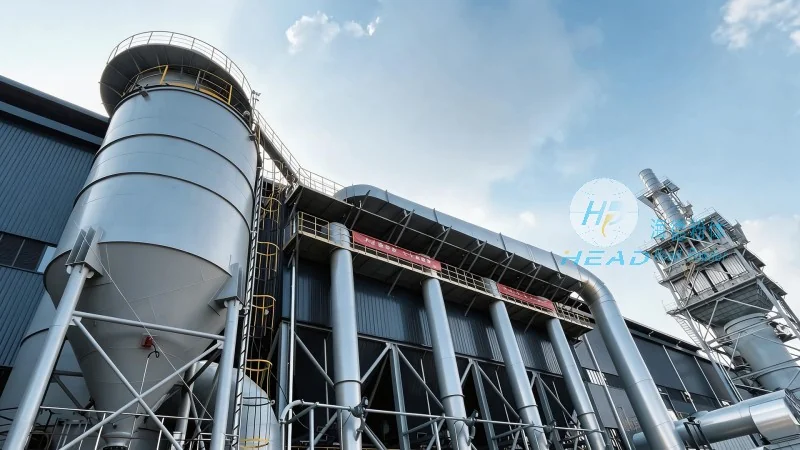
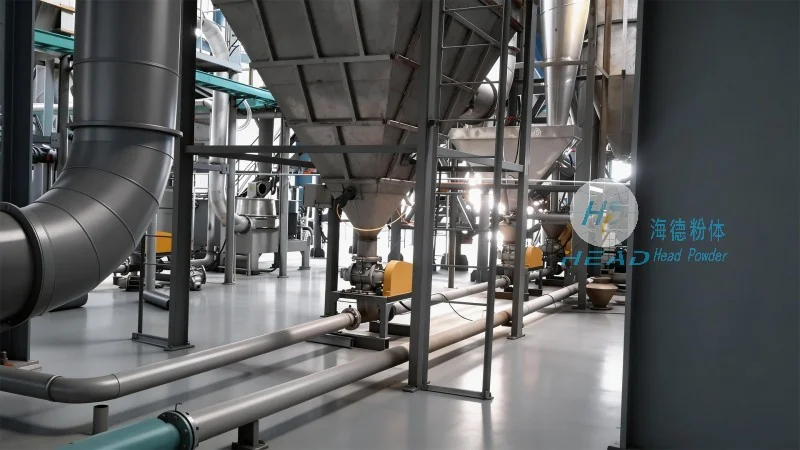
The pneumatic conveying machine for gypsum powder and ash materials operates on the principle of transporting bulk materials through a pipeline using air or gas as the conveying medium. Unlike traditional mechanical conveyors, which rely on mechanical components like belts or screws, pneumatic systems utilize the force of compressed air to move the material. This method is particularly effective for handling fine, dusty, or abrasive materials such as gypsum powder and ash, which are often challenging to transport with conventional equipment. The system typically consists of a hopper, a rotary valve, a conveying line, and a receiver, all working in tandem to ensure efficient material transfer. The hopper stores the material, the rotary valve controls the flow rate, the conveying line transports the material via air pressure, and the receiver collects the material at the destination. The air flow is generated by a blower or compressor, which creates a pressure differential that propels the material through the pipeline. The design of the conveying line, including the size and shape of the pipes, the placement of bends and elbows, and the use of special fittings, is crucial for minimizing pressure loss and ensuring smooth material flow. Additionally, the system may incorporate features like air filters and cyclone separators to prevent dust accumulation and maintain air quality. By leveraging the principles of fluid dynamics and air pressure, these machines provide a reliable and efficient means of transporting gypsum powder and ash materials over long distances or within complex industrial setups.
Key Working Scene Characteristics of Gypsum Powder and Ash Pneumatic Conveying Machines
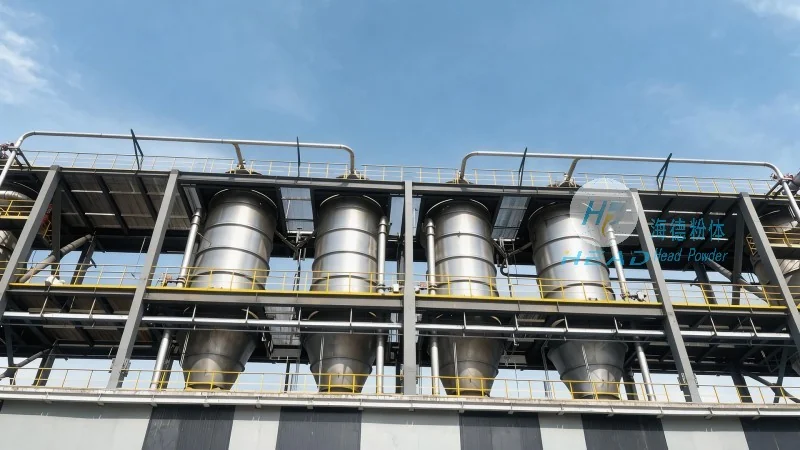
The operational environments where gypsum powder and ash pneumatic conveying machines are applied exhibit distinct characteristics that influence their design and performance. These machines are commonly used in industrial settings such as power plants, cement factories, and gypsum processing facilities, where large volumes of these materials need to be moved from one location to another. The working scenes often involve handling materials with varying particle sizes, moisture content, and flow properties, which require specialized equipment to ensure consistent and reliable transport. For instance, in power plants, ash from coal combustion is a major byproduct that needs to be transported to disposal sites or recycling facilities. The pneumatic conveying system is ideal for this application as it can handle the high volume of ash and transport it over long distances without the need for multiple transfer points. Similarly, in cement factories, gypsum powder is used as a key ingredient in the production of cement, and the pneumatic conveying machine ensures that the material is delivered to the mixing and grinding processes in a controlled manner. The working scenes also vary in terms of the scale of operation, with some systems designed for small-scale applications in laboratories or pilot plants, while others are built for large-scale industrial production. The environmental conditions in these working scenes, such as temperature, humidity, and the presence of corrosive substances, also play a role in the selection of materials for the conveying equipment. For example, in power plants, the conveying system may be exposed to high temperatures and acidic gases, necessitating the use of corrosion-resistant materials like stainless steel or special coatings. The operational efficiency of the machine is also a critical factor in these working scenes, as downtime can lead to significant production losses. Therefore, the design of the pneumatic conveying machine must consider factors like maintenance accessibility, ease of cleaning, and the ability to handle different material types without clogging or blockages. Overall, the working scene characteristics of gypsum powder and ash pneumatic conveying machines are diverse and require careful consideration of the material properties, operational requirements, and environmental conditions to ensure optimal performance.
Company Information and Expertise in Pneumatic Conveying Solutions
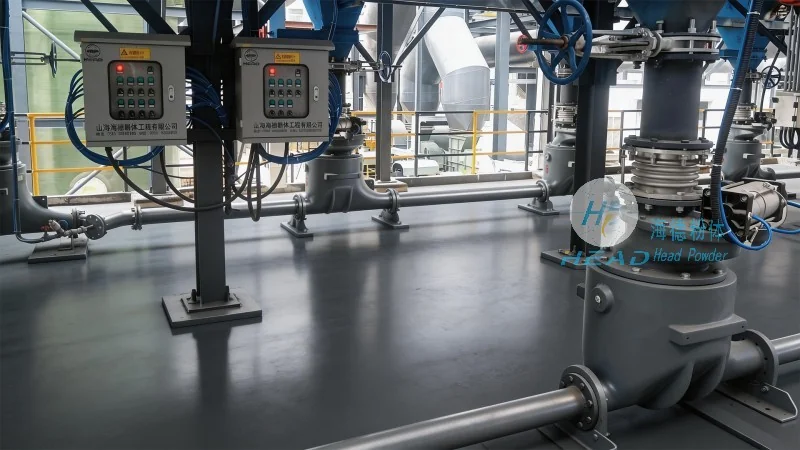
HeadPowder Engineering Co., Ltd., headquartered in Shandong, China, is a reputable company specializing in the development and manufacturing of advanced material handling equipment. With years of experience in the industry, HeadPowder has established itself as a trusted provider of pneumatic conveying systems for various industrial applications. The company's commitment to quality and innovation has enabled it to design and produce machines that meet the specific needs of its clients, including those handling gypsum powder and ash materials. HeadPowder's team of engineers and technicians works closely with clients to understand their operational requirements and provide customized solutions that enhance efficiency and reduce costs. The company's production facilities are equipped with state-of-the-art technology and adhere to strict quality control standards to ensure that every product meets the highest industry standards. HeadPowder also offers comprehensive after-sales services, including installation, maintenance, and technical support, to ensure that its customers can operate their equipment with confidence. The company's expertise in pneumatic conveying technology, combined with its understanding of the unique challenges associated with gypsum powder and ash materials, makes it a preferred choice for businesses seeking reliable and efficient material handling solutions. By leveraging its experience and expertise, HeadPowder continues to contribute to the advancement of material handling technology and supports the growth of its clients in various industries.




