Understanding the operation process and working principle of pneumatic conveying in dust extraction stations is crucial for optimizing industrial dust management and ensuring efficient material transport. This article provides a detailed overview of the key components, processes, and operational dynamics involved in such systems, with a focus on practical applications and technical insights.
Introduction to Pneumatic Conveying in Dust Extraction Stations
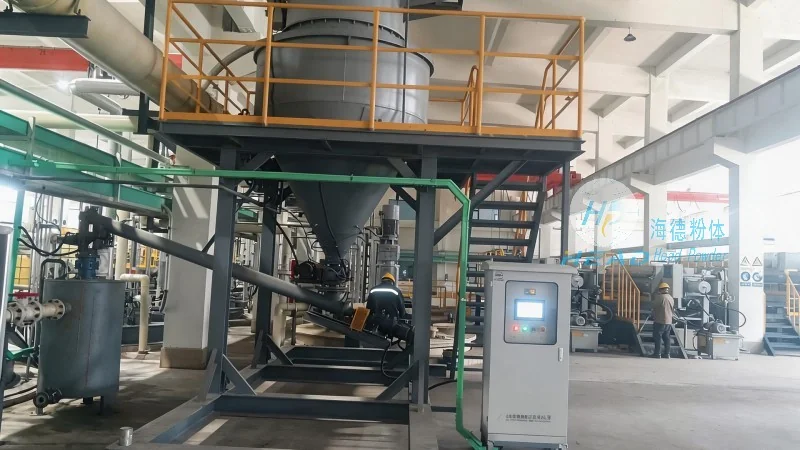
Pneumatic conveying systems are integral to modern dust extraction and material handling processes, particularly in industrial settings where efficient removal and transport of particulate matter are essential. These systems utilize air or gas to transport bulk materials, such as powders or granules, from one location to another within a dust extraction station. The primary goal is to maintain air quality, control dust emissions, and facilitate the smooth transfer of materials without the need for mechanical components like belts or buckets.
Key Components of Pneumatic Conveying Systems
The effectiveness of pneumatic conveying in dust extraction stations relies on several critical components that work in tandem to achieve efficient material transport. These components include the dust collector, the conveying line, the air supply system, and the material discharge unit. Each component plays a specific role in the overall operation, ensuring that the system operates reliably and efficiently.
The Dust Collector: The Foundation of the System
The dust collector is the initial component in the pneumatic conveying system, responsible for capturing airborne particles and separating them from the air stream. In a dust extraction station, this is typically achieved through mechanisms like cyclonic separation, bag filters, or electrostatic precipitators. The collected dust is then directed into the conveying line, where it is mixed with the air or gas used for transport. The efficiency of the dust collector directly impacts the overall performance of the pneumatic conveying system, as it determines the quality of the material being conveyed and the air quality being maintained.
The Conveying Line: Transporting Materials Through Air
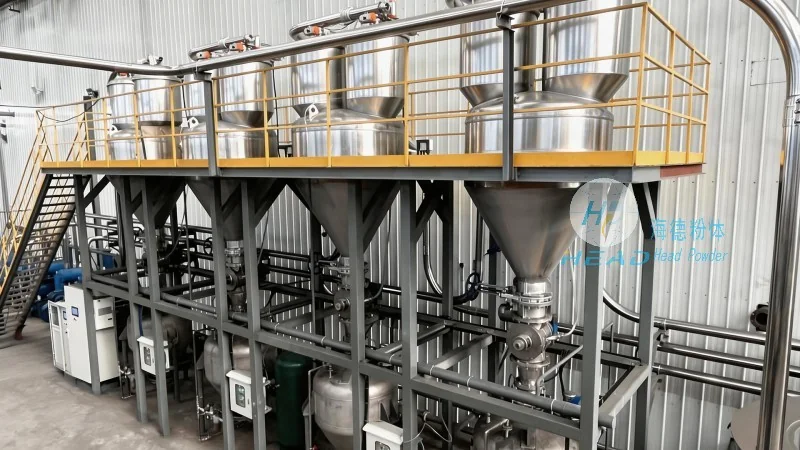
The conveying line is the core of the pneumatic system, responsible for transporting the material from the dust collector to the discharge point. This line is typically made of rigid or flexible tubing, depending on the system design and the material being conveyed. The air or gas flows through the line at a controlled velocity, creating a pressure differential that propels the material forward. The design of the conveying line, including its diameter, length, and bends, is critical to maintaining the flow rate and preventing material deposition or blockages.
The Air Supply System: Powering the Conveying Process
The air supply system provides the necessary pressure and volume of air or gas to drive the material through the conveying line. This system typically includes a blower or fan, which generates the airflow, and a control valve that regulates the pressure and flow rate. The air supply is often filtered to remove any contaminants that could affect the material or the system components. The efficiency of the air supply system is directly related to the system's overall performance, as it determines the velocity and pressure required for effective material transport.
Material Discharge Unit: Delivering the Conveyed Material
The material discharge unit is the final component in the pneumatic conveying system, responsible for delivering the conveyed material to its destination. This unit can be a simple outlet or a more complex system, such as a rotary valve or a hopper, depending on the application. The discharge unit is designed to handle the material without causing re-entrainment or dust emissions, ensuring that the material is delivered safely and efficiently. The design of the discharge unit is critical to maintaining the integrity of the material and preventing any contamination during the transfer process.
Operation Process of Pneumatic Conveying in Dust Extraction Stations
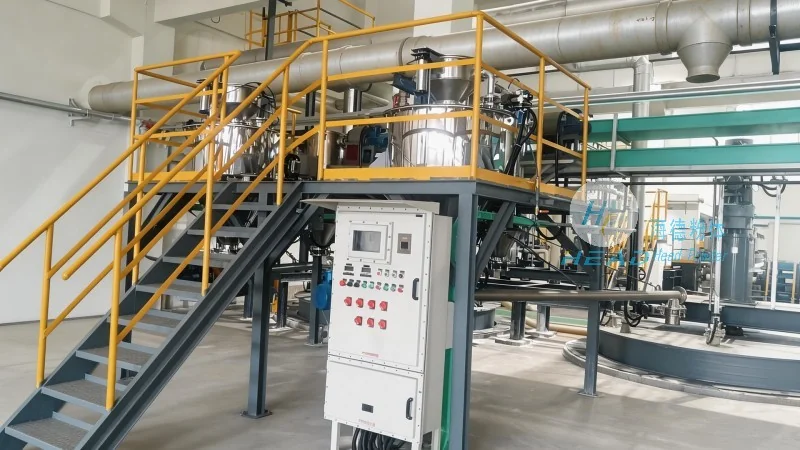
The operation process of pneumatic conveying in dust extraction stations involves several sequential steps that ensure the smooth and efficient transport of material. The process begins with the generation of air or gas in the air supply system, which is then directed into the conveying line. The dust collector captures the airborne particles and directs them into the line, where they are mixed with the air stream. The combined material and air flow is then propelled through the conveying line to the discharge unit, where the material is deposited. The air, now clean, is typically returned to the system or vented to the atmosphere, depending on the system design.
Working Principle: How Pneumatic Conveying Works
The working principle of pneumatic conveying in dust extraction stations is based on the fundamental concept of fluidization and drag. The air or gas flow creates a low-pressure zone within the conveying line, which draws the material into the line through the dust collector. The material is then suspended in the air stream and transported to the discharge point. The velocity of the air stream is critical to maintaining the material in suspension and preventing it from settling or depositing. The pressure differential between the inlet and outlet of the conveying line provides the necessary force to move the material forward.
Optimizing Pneumatic Conveying Performance
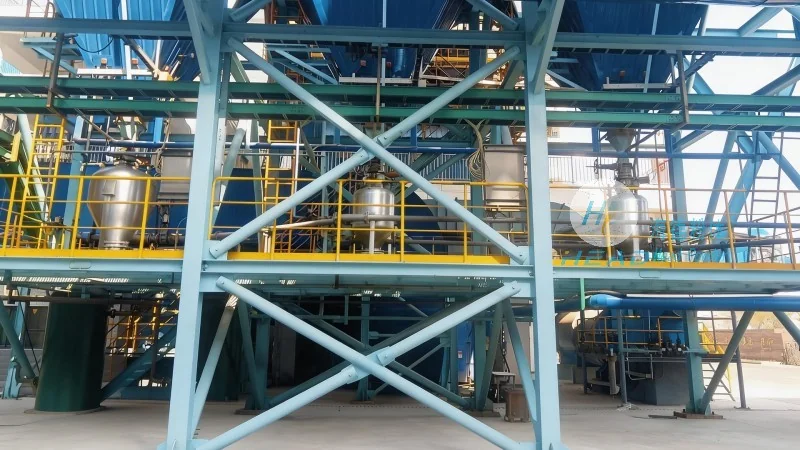
Optimizing the performance of pneumatic conveying systems in dust extraction stations requires careful consideration of several factors, including the material properties, system design, and operational parameters. The material's density, particle size, and flow characteristics can significantly impact the system's efficiency. The system design, including the conveying line diameter, length, and bends, must be tailored to the specific material and application. Operational parameters, such as the air velocity and pressure, must be adjusted to maintain optimal performance and prevent issues like blockages or re-entrainment.
Applications and Benefits of Pneumatic Conveying in Dust Extraction
Pneumatic conveying systems are widely used in various industries, including manufacturing, pharmaceuticals, and food processing, for their ability to handle a wide range of materials and their flexibility in system design. The benefits of using pneumatic conveying in dust extraction stations include improved air quality, reduced dust emissions, and efficient material transport. These systems also offer advantages such as low maintenance requirements, minimal material degradation, and the ability to handle hazardous materials safely.
Conclusion: The Importance of Understanding Pneumatic Conveying
In conclusion, the operation process and working principle of pneumatic conveying in dust extraction stations are complex but essential for effective industrial dust management. Understanding the key components, operation process, and working principles of these systems is crucial for optimizing performance, ensuring safety, and maintaining air quality. By carefully designing and operating pneumatic conveying systems, industrial facilities can achieve efficient material transport while minimizing environmental impact and operational costs.




