HeadPowder, a leading manufacturer based in Shandong, China, specializes in the design and production of advanced pneumatic conveying systems tailored for handling acrylate rubber materials. This article delves into the fundamental principles behind these systems and highlights the key working scenario characteristics that make them ideal for various industrial applications.
Understanding the Core Principle of Pneumatic Conveyors for Acrylate Rubber Materials
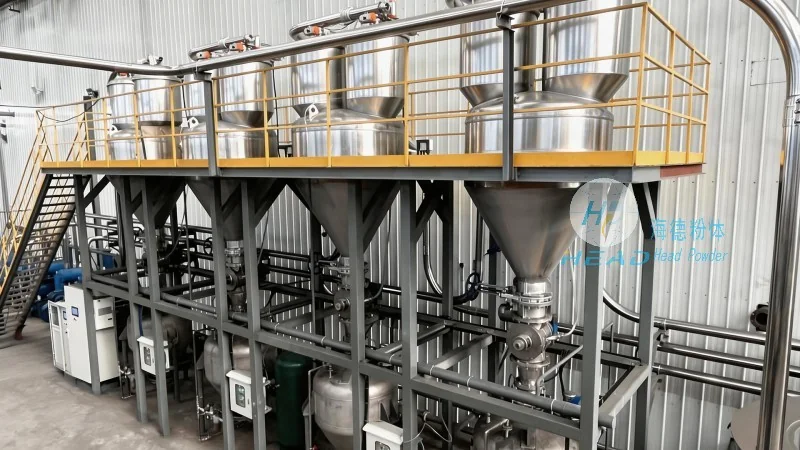
The primary principle of pneumatic conveying systems for acrylate rubber materials involves the use of compressed air or other gases to transport bulk materials through a closed pipeline system. Unlike traditional mechanical conveyors, which rely on physical contact and friction to move materials, pneumatic conveyors utilize the kinetic energy of the gas stream to lift, transport, and deposit the rubber particles. This method is particularly effective for acrylate rubber due to its specific physical properties, such as low density and potential for static charge accumulation, which can be managed efficiently through the controlled air flow.
At the heart of the system is the air compressor, which generates the necessary pressure to move the material. The compressed air is then introduced into the conveying line, where it interacts with the rubber particles. The design of the conveying line, including the type of ductwork (e.g., straight, curved, or vertical), plays a crucial role in optimizing the flow and minimizing pressure drop. For acrylate rubber, which can be prone to sticking or agglomeration, specialized components like venturi sections or rotary airlocks are often incorporated to ensure smooth material transfer and prevent blockages.
Key Working Scenario Characteristics of Pneumatic Conveyors for Acrylate Rubber Materials
One of the most significant advantages of pneumatic conveyors for acrylate rubber is their ability to handle materials in a dust-free environment. This is critical in applications where contamination control is paramount, such as in the production of high-purity rubber compounds or in industries where air quality regulations are strict. The enclosed system prevents dust particles from escaping into the workspace, reducing the risk of respiratory issues and maintaining a clean operational environment.
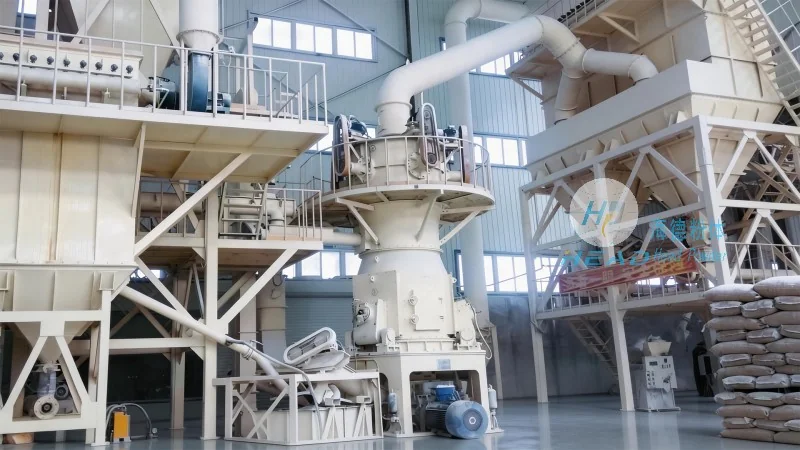
Another key characteristic is the flexibility in material handling. Pneumatic conveyors can transport acrylate rubber from multiple sources to various destinations within a facility, allowing for complex material flow management. This is achieved through the use of branching lines, which enable the system to route material to different processing units or storage areas. The ability to handle both dry and slightly wet acrylate rubber, depending on the system design, further enhances its versatility in diverse industrial settings.
Efficiency and energy consumption are also important working scenario characteristics. Modern pneumatic conveying systems for acrylate rubber are designed to optimize air usage, reducing energy costs while maintaining effective material transport. The use of variable frequency drives (VFDs) on the air compressors allows for adjustable air pressure, ensuring that the system operates at the most efficient point for the specific material being handled. This not only lowers operational costs but also contributes to a more sustainable industrial process.
Applications and Industry Integration of Pneumatic Conveyors for Acrylate Rubber Materials
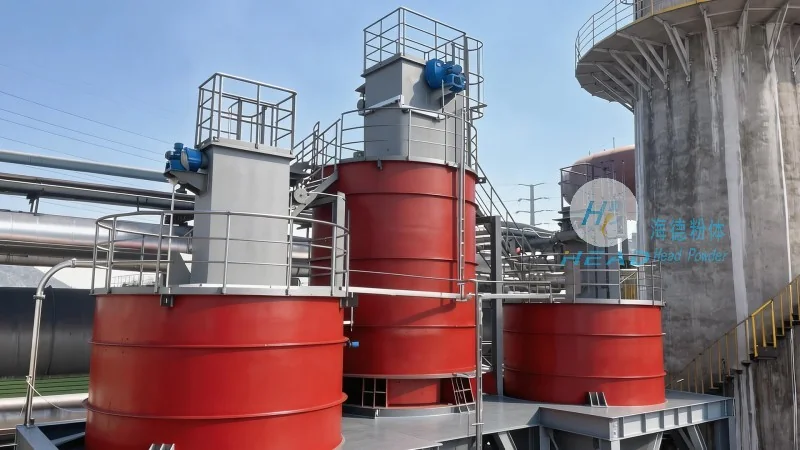
Pneumatic conveyors for acrylate rubber are widely used in various industrial sectors, including the rubber manufacturing industry, where they are employed in the production of rubber compounds, tires, and other rubber products. In these applications, the system efficiently transports raw acrylate rubber from storage silos to processing equipment, ensuring a continuous and uninterrupted supply of material. The ability to handle large volumes of material quickly and with minimal human intervention makes it an essential component in high-throughput manufacturing environments.
In addition to rubber manufacturing, these conveyors are also utilized in the chemical and pharmaceutical industries, where acrylate rubber is used as a component in adhesives, sealants, and coatings. The precise control over material flow and the ability to maintain a sterile environment are particularly valuable in these sectors, as they help to prevent contamination and ensure product quality. The system's adaptability to different processing requirements, such as varying material sizes or moisture levels, makes it a reliable choice for diverse industrial applications.
Conclusion and Company Overview
HeadPowder Engineering Co., Ltd., based in Shandong, China, is a trusted provider of pneumatic conveying systems specifically designed for acrylate rubber materials. By leveraging advanced engineering principles and tailored system designs, HeadPowder ensures that their pneumatic conveyors meet the unique demands of handling acrylate rubber, offering efficient, reliable, and cost-effective material transport solutions. The company's commitment to quality and innovation has made them a leading choice for industries seeking to optimize their material handling processes while maintaining high standards of safety and environmental compliance.




