For industries dealing with silicone powder, efficient and reliable material handling equipment is crucial to ensure smooth production processes and maintain product quality. Silicone powder, with its unique properties such as low bulk density and fine particle size, requires specialized equipment to handle without degradation or contamination. This article explores the working principle and key features of silicone powder material handling equipment, highlighting how these systems enhance operational efficiency and safety in industrial applications.
Understanding the Working Principle of Silicone Powder Material Handling Equipment
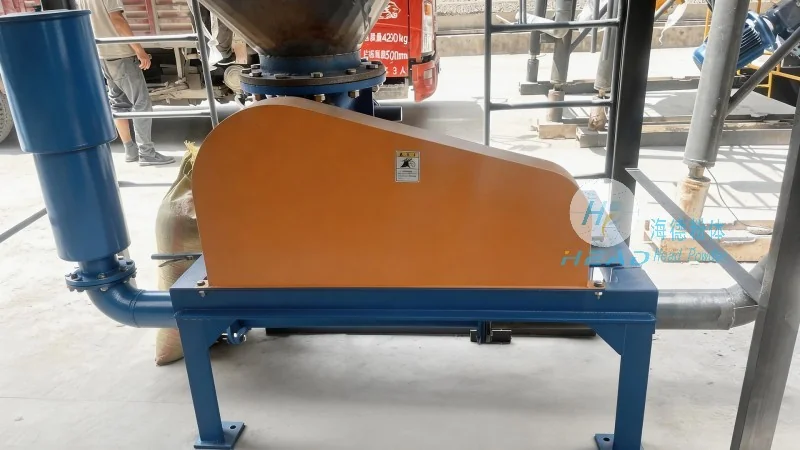
The working principle of silicone powder material handling equipment typically involves several key components designed to handle the specific characteristics of silicone powder. These systems are engineered to address challenges like dust generation, caking, and the need for gentle handling to preserve the powder's integrity. A common approach is the use of pneumatic or mechanical conveying systems, which are selected based on the material's properties and the required handling capacity.
Pneumatic conveying systems, for instance, utilize air pressure to transport silicone powder through a network of pipes. This method is particularly effective for fine powders, as it minimizes particle breakage and prevents contamination from external sources. The process begins with the powder being fed into a hopper, where it is then drawn into a conveying line by a vacuum or pressure differential. As the powder travels through the pipe, it is mixed with air, creating a suspension that moves the material to the destination point. At the receiving end, the powder is separated from the air, often through a cyclone separator or filter, and collected in a storage bin or processing unit.
Mechanical conveying systems, on the other hand, rely on rotating components like screws or belts to move silicone powder. Screw conveyors, for example, use a rotating helical screw to push the powder along a trough. This method is ideal for horizontal or slight incline applications and is particularly effective for handling bulk quantities of silicone powder. The screw's design, with its smooth surface and appropriate pitch, minimizes friction and prevents the powder from sticking to the conveyor, ensuring consistent flow. For vertical or steep incline applications, vertical screw conveyors are used, which can handle the powder in a vertical direction while maintaining a stable flow rate.
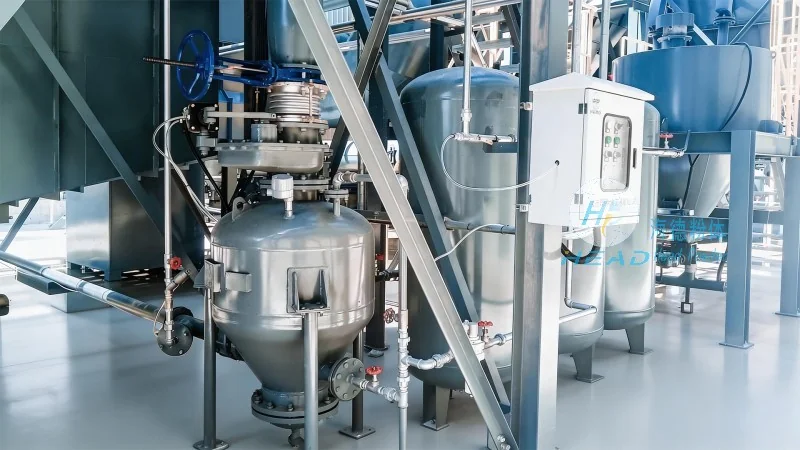
Another critical aspect of the working principle is the control system, which monitors and regulates the conveying process. Modern equipment often includes sensors and automation controls to adjust air pressure, screw speed, or feed rates in real-time, ensuring optimal performance and preventing overloading or underloading. This level of control is essential for maintaining consistent product quality and preventing equipment damage from excessive stress or pressure.
Key Features of Silicone Powder Material Handling Equipment
The features of silicone powder material handling equipment are tailored to meet the unique demands of handling this specific material. One of the most important features is the ability to handle fine and cohesive powders without caking or bridging. This is achieved through the use of specialized hopper designs, such as conical or wedge-shaped hoppers, which promote uniform flow and prevent material buildup. Additionally, the equipment often includes vibration or agitator mechanisms to break up any agglomerates and ensure a consistent feed rate.
Another key feature is the emphasis on dust control and environmental safety. Silicone powder is a fine particulate that can generate significant dust during handling, which poses health risks and environmental concerns. Therefore, most equipment incorporates dust collection systems, such as bag filters or cyclone separators, to capture and contain airborne particles. Some advanced systems even use enclosed conveying lines to minimize dust exposure and comply with regulatory standards.
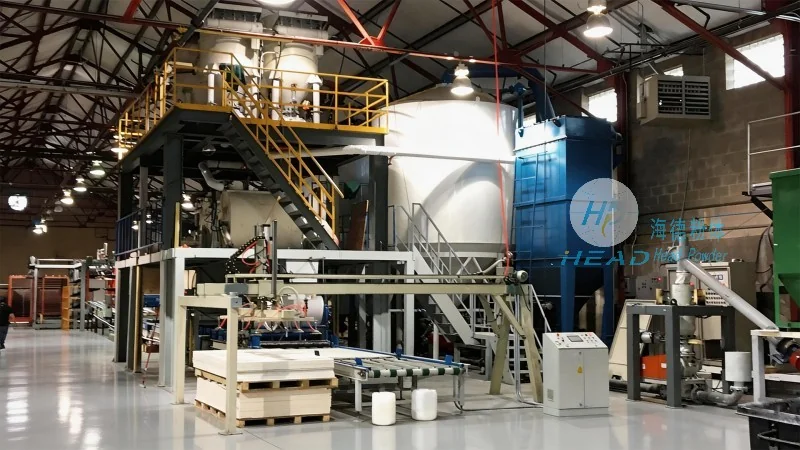
Efficiency and reliability are also critical features. The equipment is designed to operate continuously with minimal downtime, which is essential for maintaining production schedules. This is achieved through robust construction, using materials resistant to corrosion and wear, such as stainless steel or special alloys, which are common in silicone powder handling applications. The systems also include features like automatic shut-off valves and overload protection to prevent damage and ensure safe operation.
Furthermore, the equipment is often designed for easy maintenance and cleaning. Silicone powder can adhere to surfaces, making it difficult to clean equipment between batches. Therefore, many systems include removable components, such as hoppers and conveyor sections, which can be easily disassembled and cleaned. Some advanced models even use self-cleaning mechanisms, such as reverse air flow or vibration, to remove residual powder and prevent contamination.
HeadPowder's Expertise in Silicone Powder Material Handling Solutions
Shandong HeadPowder Engineering Co., Ltd., a leading manufacturer of material handling equipment, specializes in providing customized solutions for handling silicone powder and other fine materials. With years of experience in the industry, HeadPowder has developed a range of equipment designed to meet the specific needs of various applications, from small-scale laboratory use to large-scale industrial production.
HeadPowder's equipment is engineered with a deep understanding of the challenges associated with silicone powder handling. The company's engineers work closely with clients to assess their specific requirements, such as the material's properties, production volume, and environmental regulations, to design a system that maximizes efficiency and minimizes downtime. This customized approach ensures that the equipment is optimized for the client's unique needs, resulting in improved productivity and reduced operational costs.
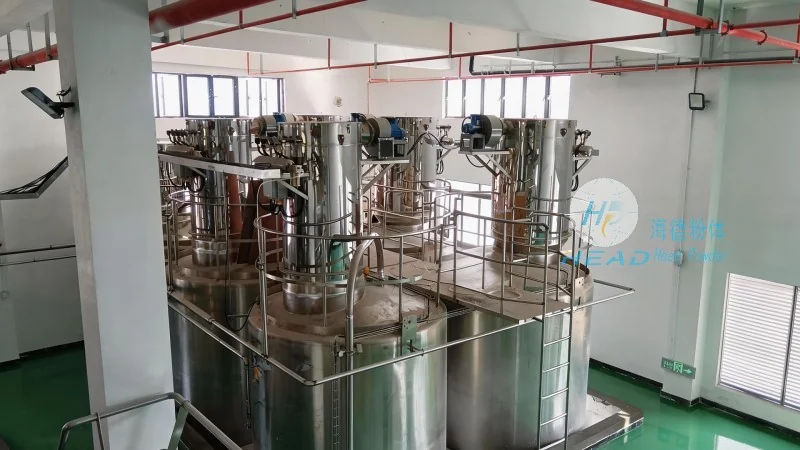
One of the key advantages of HeadPowder's equipment is its focus on durability and reliability. The company uses high-quality materials and advanced manufacturing techniques to ensure that its equipment can withstand the harsh conditions of silicone powder handling, including high temperatures, moisture, and abrasive particles. This durability reduces the need for frequent repairs and replacements, lowering long-term maintenance costs for clients.
Additionally, HeadPowder's commitment to innovation is reflected in its use of modern technology and automation. The company incorporates the latest advancements in control systems, sensors, and monitoring tools into its equipment, enabling real-time performance tracking and predictive maintenance. This technology helps clients identify potential issues before they become major problems, further enhancing the reliability and efficiency of the system.
HeadPowder also prioritizes safety and compliance in its equipment design. The company adheres to international safety standards and regulatory requirements, ensuring that its equipment is safe for operators and environmentally friendly. This includes features like enclosed systems, dust collection, and emergency stop mechanisms, which are essential for protecting workers and the environment.




