Glass powder, a critical raw material in the glass manufacturing industry, requires efficient and reliable transportation methods to ensure smooth production processes. Pneumatic conveying technology has emerged as a preferred solution for handling glass powders due to its ability to transport materials in a dust-free environment, enhance safety, and improve operational efficiency. This article provides a comprehensive exploration of pneumatic conveying systems for glass powders, focusing on the fundamental differences between vacuum and positive pressure systems, and their practical applications.
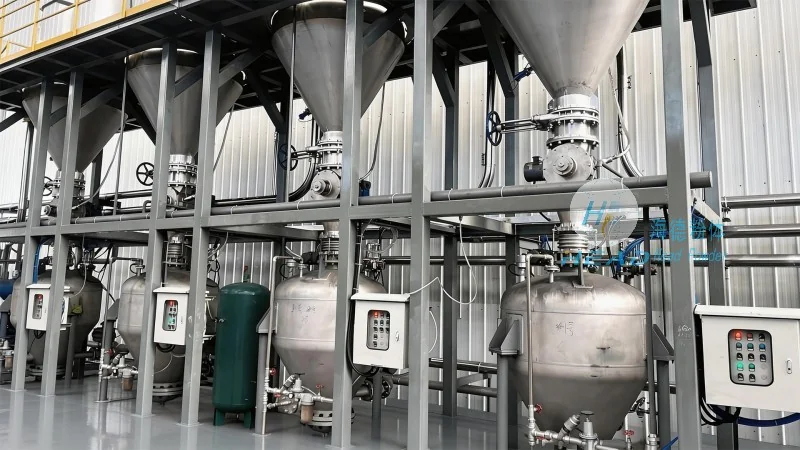
Company Profile: Shandong HeadPowder Engineering Co., Ltd.
HeadPowder, the professional provider of pneumatic conveying solutions, is headquartered in Shandong, China. With years of experience in the field, the company specializes in designing, manufacturing, and implementing advanced pneumatic conveying systems tailored to the unique needs of glass powder handling. The company's commitment to innovation and quality ensures that clients receive customized solutions that optimize material transport while minimizing operational costs.
Vacuum Pneumatic Conveying Technology for Glass Powders
Vacuum pneumatic conveying, also known as suction conveying, operates by creating a negative pressure at the material pickup point. This negative pressure draws the glass powder from the source into the conveying line, where it is then transported to the destination. The system typically includes a vacuum pump, a filter, and a control unit to regulate the flow and pressure. One of the key advantages of vacuum conveying is its ability to handle fine and abrasive materials like glass powder without causing excessive wear on the equipment. Additionally, vacuum systems are ideal for applications where the material needs to be transported over relatively short distances or where the source is located at a lower elevation than the destination.
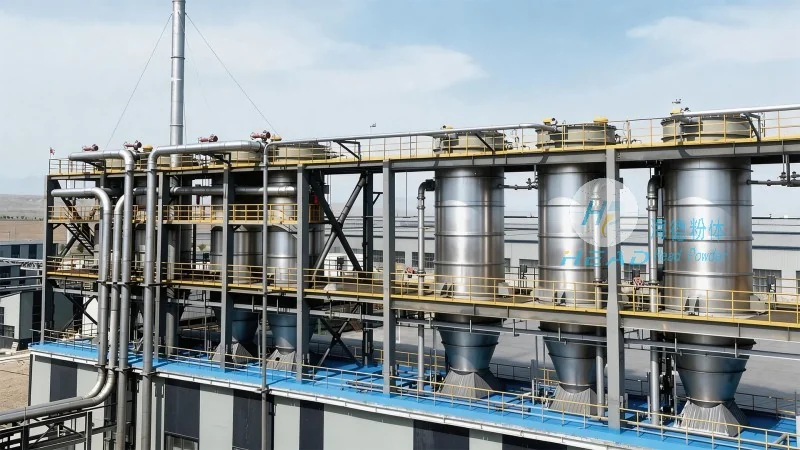
Positive Pressure Pneumatic Conveying Technology for Glass Powders
Positive pressure pneumatic conveying, or pressure conveying, works by generating positive pressure at the material source. Compressed air is used to push the glass powder through the conveying line, moving it from the source to the destination. This method is particularly effective for transporting materials over longer distances or when the source is at a higher elevation than the destination. Positive pressure systems are also suitable for handling materials that are sensitive to moisture or contamination, as the sealed system prevents external air from entering and affecting the material quality. The use of positive pressure ensures consistent flow rates and reduces the risk of material degradation during transport.
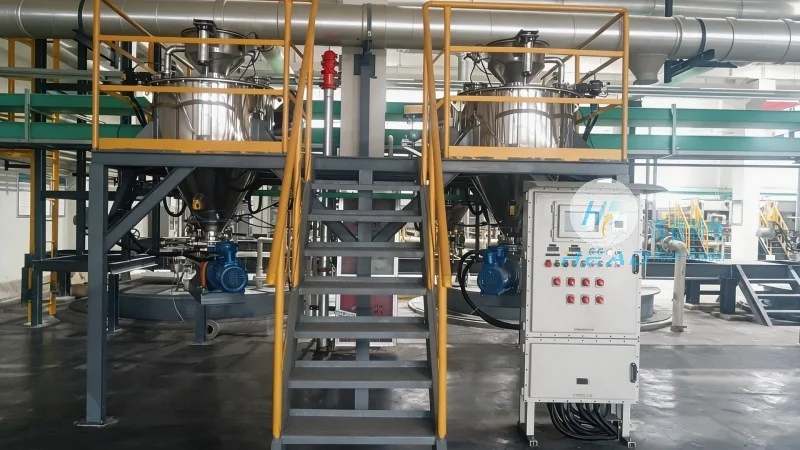
Key Considerations for Selecting the Right Conveying System
The choice between vacuum and positive pressure pneumatic conveying for glass powders depends on several factors, including the distance between the source and destination, the elevation difference, the material characteristics, and the required flow rate. For short-distance or low-elevation applications, vacuum conveying may be more cost-effective and simpler to install. However, for longer distances or higher elevations, positive pressure systems offer better performance and reliability. Additionally, the system's capacity and the need for dust control should be considered when selecting the appropriate technology. HeadPowder provides expert consultation to help clients evaluate their specific requirements and choose the most suitable pneumatic conveying solution.
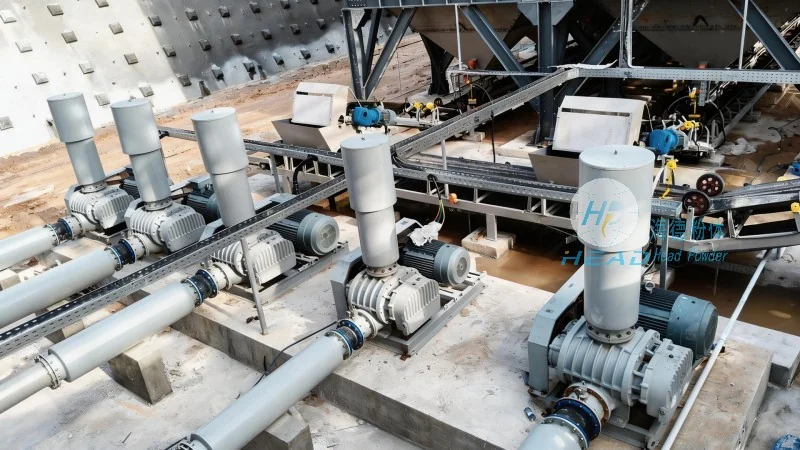
Applications and Benefits in Glass Manufacturing
Glass powder pneumatic conveying systems are widely used in various stages of glass production, from raw material handling to finished product processing. In the raw material stage, these systems efficiently transport glass powders from storage silos to mixing and melting furnaces. The dust-free operation of pneumatic conveying reduces the risk of contamination and improves the quality of the final glass product. During the production process, the systems can also be used to transfer glass powders between different processing units, such as from a grinding station to a packaging facility. The benefits of using pneumatic conveying in glass manufacturing include increased production efficiency, reduced labor costs, and improved workplace safety. By eliminating the need for manual handling and traditional bulk material transport methods, companies can achieve significant operational improvements and maintain a clean and safe working environment.
Conclusion
Pneumatic conveying technology plays a vital role in the efficient handling of glass powders, with vacuum and positive pressure systems offering distinct advantages based on specific application requirements. HeadPowder, with its expertise in pneumatic conveying solutions, provides tailored systems that address the unique challenges of glass powder transport. By leveraging the right technology, glass manufacturers can enhance productivity, ensure material quality, and maintain a safe working environment. As the demand for high-quality glass products continues to grow, the importance of reliable and efficient material handling systems like pneumatic conveying will only increase. HeadPowder remains committed to delivering innovative solutions that meet the evolving needs of the glass industry.




