HeadPowder, a leading engineering firm based in Shandong, China, specializes in the design, manufacturing, and implementation of advanced pneumatic conveying systems tailored for corn flour and similar fine powders. This article delves into the core principles of negative pressure and positive pressure conveying technologies, offering a comprehensive understanding of their operational mechanisms, advantages, and practical applications in the corn flour processing industry.
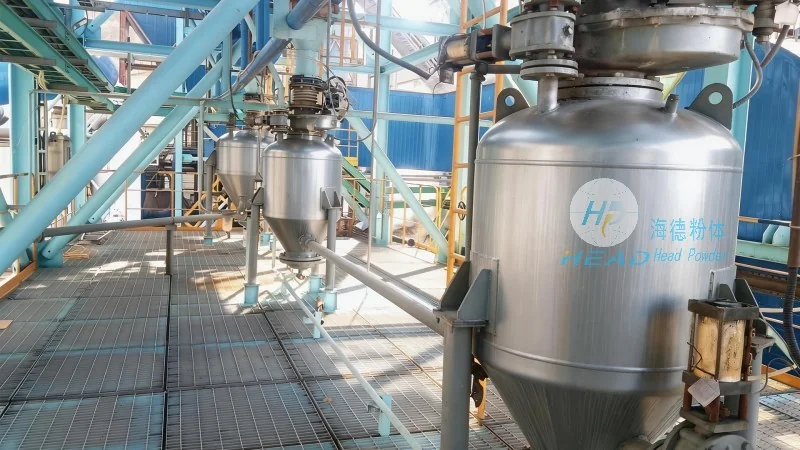
Pneumatic conveying is a critical method for transporting bulk materials like corn flour, which are often sensitive to moisture, temperature, and contamination. The choice between negative pressure (suction) and positive pressure (blowing) systems depends on factors such as material characteristics, system layout, and operational requirements. Understanding these two approaches is essential for optimizing material handling efficiency and ensuring product quality in corn flour processing facilities.
Understanding Negative Pressure (Suction) Pneumatic Conveying
Negative pressure systems operate by creating a partial vacuum at the material intake point, drawing the corn flour into the conveying line using a vacuum pump. This method is particularly effective for applications where the material source is elevated or where a closed system is required to prevent dust emissions and maintain product integrity. The vacuum pump generates a pressure differential that pulls the corn flour through the pipeline, with the system typically consisting of a hopper, a rotary valve, a filter, and the conveying line.
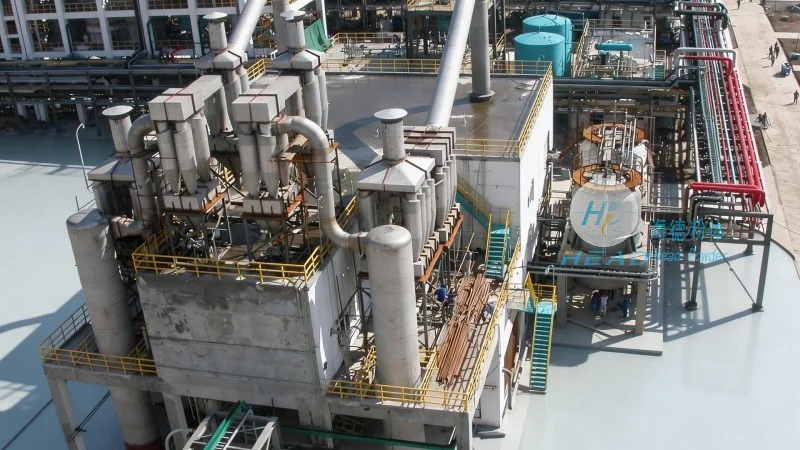
Key advantages of negative pressure conveying for corn flour include its ability to handle fine powders without clogging, the reduced risk of product contamination due to the sealed system, and the lower energy consumption compared to positive pressure systems in certain scenarios. However, it is important to note that negative pressure systems may require more robust filtration to prevent dust accumulation and may be less suitable for long-distance or high-velocity conveying tasks.
Exploring Positive Pressure (Blowing) Pneumatic Conveying
Positive pressure systems, on the other hand, use a blower or compressor to force air and corn flour through the conveying line. The material is introduced into the system at the discharge point, and the pressure differential pushes the material forward. This approach is often preferred for applications involving longer conveying distances, higher material flow rates, or when the material source is at a lower elevation than the destination.
Positive pressure conveying offers several benefits, including higher conveying velocities, which can reduce system size and installation costs for long-distance transport. It is also more suitable for handling materials that are prone to clogging or that require higher temperatures to maintain flowability. However, it may generate more dust and require more stringent filtration to comply with environmental regulations, and the higher air pressure can increase energy consumption compared to negative pressure systems.
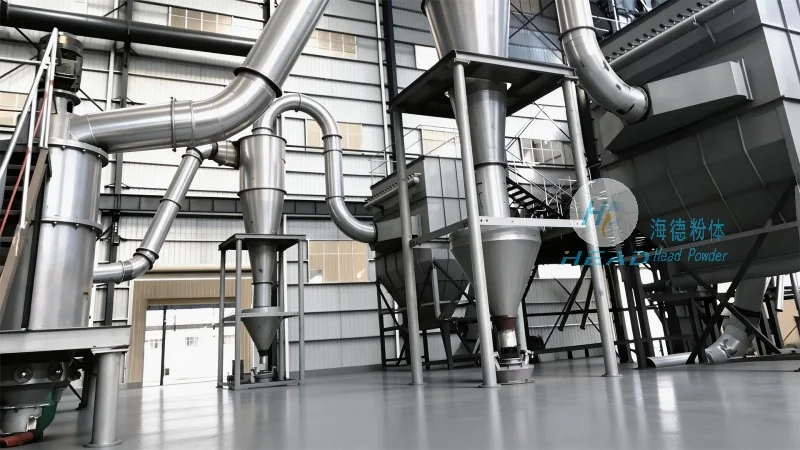
Comparative Analysis: Negative vs. Positive Pressure Conveying
When selecting between negative and positive pressure systems for corn flour handling, several factors must be considered. Negative pressure is generally preferred for short to medium distances, where product purity and low energy use are critical. Positive pressure is more suitable for longer distances, high-volume applications, or when the material source is at a lower level. The choice also depends on the specific characteristics of the corn flour, such as particle size, moisture content, and flowability.
HeadPowder’s engineering expertise allows for the customization of both negative and positive pressure systems to meet the unique needs of corn flour processing facilities. Our team conducts thorough material analysis and system simulations to determine the optimal configuration, ensuring that the chosen system maximizes efficiency, minimizes downtime, and maintains product quality throughout the conveying process.
Practical Applications in Corn Flour Processing
The application of pneumatic conveying systems in corn flour processing extends beyond simple material transport. These systems are integral to processes such as blending, mixing, and packaging, where consistent material flow is essential. For example, in a corn flour production line, a negative pressure system may be used to transport corn flour from a storage silo to a milling machine, while a positive pressure system may handle the final product from the mill to a packaging unit.
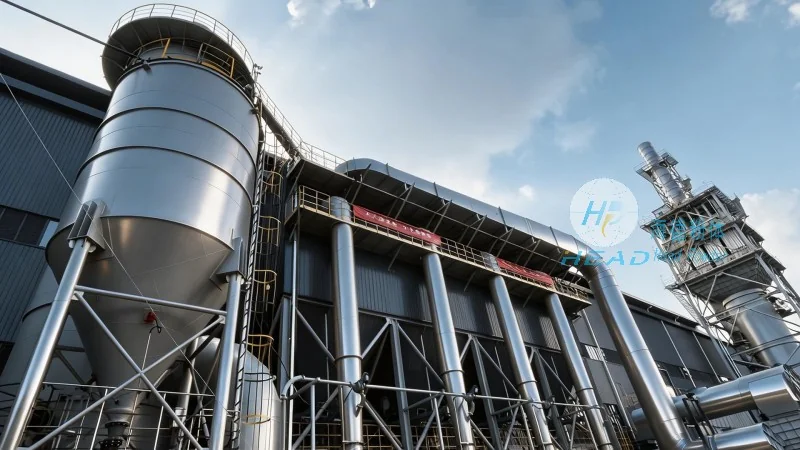
HeadPowder’s solutions are designed to integrate seamlessly with existing processing lines, minimizing disruption to operations. Our systems are equipped with advanced controls and monitoring capabilities, allowing for real-time adjustments to maintain optimal conveying conditions. This ensures that the corn flour remains in its best condition, from raw material to final product, without degradation or contamination.
Conclusion and Company Overview
HeadPowder Engineering Co., Ltd., based in Shandong, China, is a trusted partner in the development of efficient and reliable pneumatic conveying systems for corn flour and other fine powders. By leveraging our expertise in negative and positive pressure technologies, we provide tailored solutions that enhance operational efficiency, reduce costs, and ensure product quality. Our commitment to innovation and customer satisfaction has made us a leader in the industry, serving clients with diverse needs in the corn flour processing sector.




