

Working Principle and Features of High-Temperature Ash Pneumatic Conveying Equipment
High-temperature ash pneumatic conveying equipment plays a crucial role in industrial processes, particularly in power plants and other facilities where the handling of hot ash is essential. This equipment is designed to efficiently transport high-temperature ash from its source to disposal or treatment locations, ensuring safe and reliable operation. The technology behind these systems combines advanced engineering with robust materials to withstand the harsh conditions associated with high-temperature environments.
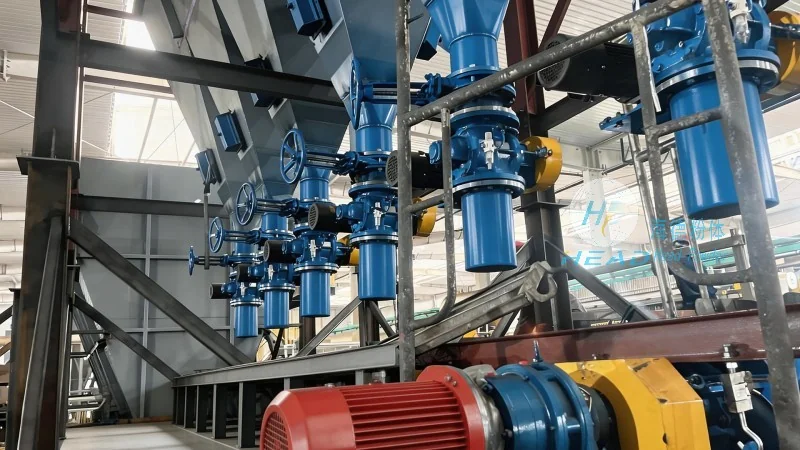
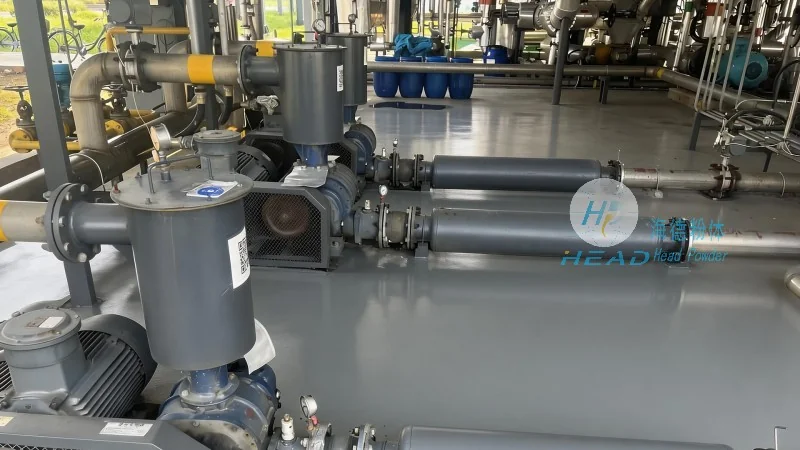
Working Principle of High-Temperature Ash Pneumatic Conveying Systems
The core of high-temperature ash pneumatic conveying equipment lies in its pneumatic conveying mechanism. These systems typically operate using a combination of air pressure and vacuum to move ash particles through a pipeline. The process begins with the ash being introduced into a hopper or feeder, where it is then fed into the conveying line. As air is introduced into the system, it creates a flow that carries the ash particles along the pipeline. The velocity of the air is carefully controlled to ensure that the ash is transported without clogging or degradation. The system may use either positive pressure (blowing air into the line) or negative pressure (sucking air out of the line) to achieve the desired conveying effect. The design of the equipment, including the selection of materials for the hopper, pipeline, and valves, is critical to withstand the high temperatures and abrasive nature of the ash. For instance, materials such as stainless steel or specialized alloys are often used to prevent corrosion and maintain structural integrity under extreme conditions.
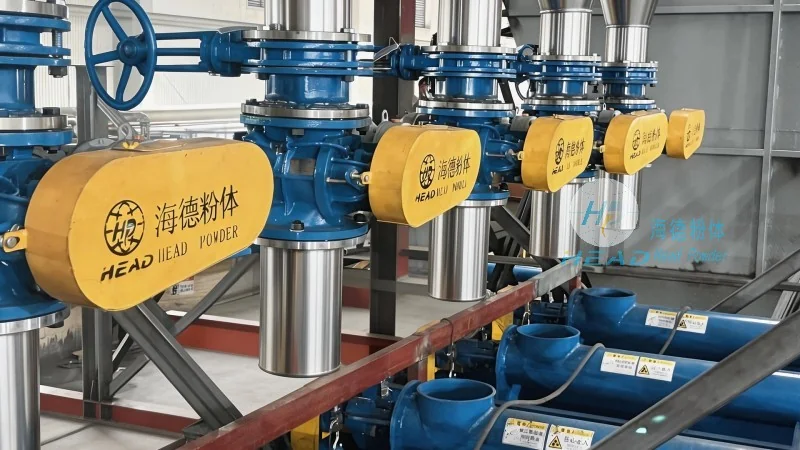
Key Features and Advantages of High-Temperature Ash Pneumatic Conveying Equipment
High-temperature ash pneumatic conveying equipment offers several distinct advantages that make it a preferred choice for industrial applications. One of the primary features is its ability to handle ash at elevated temperatures, typically ranging from 200°C to 800°C, without compromising performance. This is achieved through the use of heat-resistant materials and efficient insulation in the system components. Another key feature is the system's flexibility in terms of conveying distance and layout. It can be configured to transport ash over long distances or through complex piping networks, adapting to the specific needs of the facility. The equipment also provides a dust-free and enclosed operation, which enhances safety and reduces environmental impact. Additionally, the pneumatic conveying method minimizes the need for mechanical components like belts or buckets, reducing maintenance requirements and increasing operational reliability. The system's efficiency in terms of energy consumption is another notable advantage, as it optimizes air usage to achieve effective ash transport with minimal waste. Furthermore, the design allows for easy integration with existing industrial infrastructure, making it a cost-effective solution for upgrading or expanding ash handling capabilities.
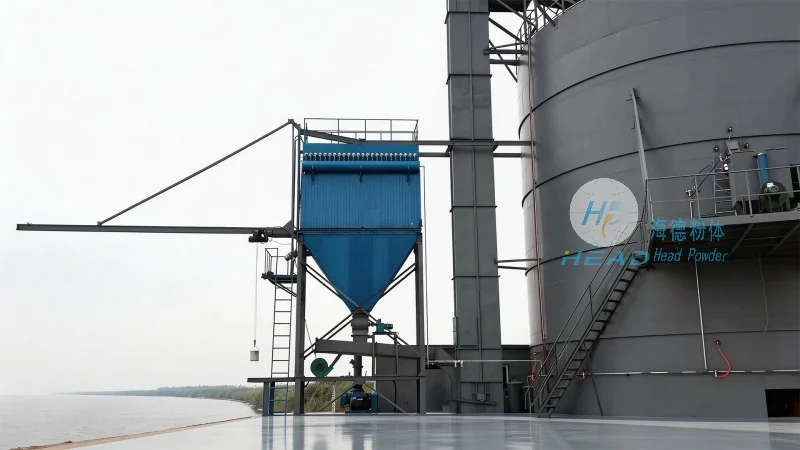
About Shandong HeadPowder Engineering Co., Ltd.
Shandong HeadPowder Engineering Co., Ltd., commonly known as HeadPowder, is a leading manufacturer specializing in the design, development, and production of high-temperature ash pneumatic conveying equipment. With a strong focus on innovation and quality, HeadPowder has established itself as a trusted partner in the power generation and industrial sectors. The company's headquarters is located in Shandong, China, where it leverages advanced manufacturing facilities and a team of experienced engineers to deliver reliable and efficient solutions. HeadPowder's commitment to customer satisfaction and technological advancement ensures that its products meet the highest industry standards, providing long-term performance and durability. The company's expertise in material selection and system design enables it to tailor solutions to the specific requirements of each client, ensuring optimal performance in diverse operational environments.