

Working Principle and Features of PVC Pellet Pneumatic Conveying Equipment
For industrial applications involving the transportation of PVC pellets, pneumatic conveying systems offer a reliable and efficient solution. This article explores the working principle and key features of PVC pellet pneumatic conveying equipment, highlighting how it operates and the advantages it provides to users.
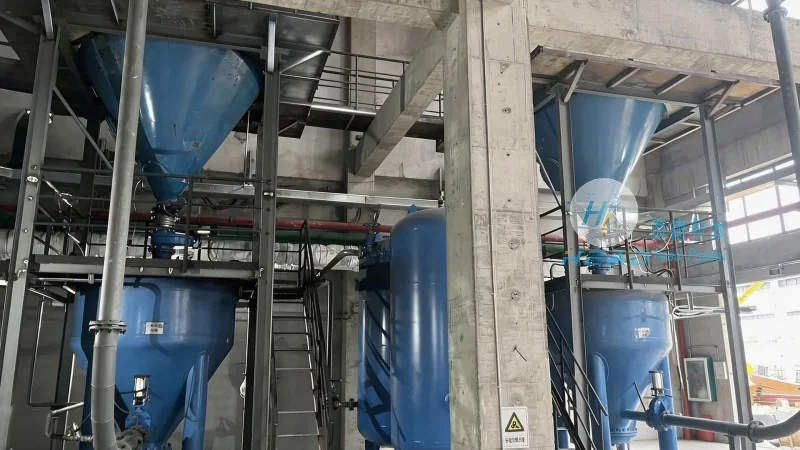
Introduction to PVC Pellet Pneumatic Conveying
PVC pellet pneumatic conveying equipment is designed to transport plastic pellets, specifically polyvinyl chloride (PVC) pellets, through an air-based system. This method eliminates the need for mechanical components like belts or chains, reducing wear and maintenance requirements while ensuring a clean and dust-free transfer process. The system is widely used in manufacturing facilities, particularly in the plastic processing and polymer industries, where precise and efficient material handling is critical.
Working Principle of PVC Pellet Pneumatic Conveying Equipment
The operation of PVC pellet pneumatic conveying equipment typically involves the following steps: First, the PVC pellets are fed into a hopper or a loading chamber. From there, the material is drawn into a pipeline by a vacuum or pressure source, depending on the system design. In a vacuum-based (or suction) system, a fan or blower creates a negative pressure that pulls the pellets along with air through the pipeline. In a pressure-based (or blow) system, the pellets are pushed through the pipeline using compressed air or gas. The air flow carries the pellets to the destination point, such as a storage silo, processing machine, or packaging unit. The system may include components like cyclones, filters, and separation devices to ensure the pellets are separated from the air stream and delivered to the correct location without loss or contamination.
Key Features and Advantages of PVC Pellet Pneumatic Conveying Equipment
Several key features distinguish PVC pellet pneumatic conveying equipment from traditional mechanical conveyors. These features contribute to its effectiveness and suitability for handling PVC pellets:
1. Efficiency and Speed: Pneumatic conveying systems can transport PVC pellets at high speeds, often with minimal downtime. The air flow ensures rapid movement of the material, allowing for continuous production processes. This efficiency is particularly valuable in high-volume manufacturing environments where time is a critical factor.
2. Cleanliness and Hygiene: Unlike mechanical conveyors that may generate dust or debris, pneumatic systems keep the PVC pellets clean and free from contamination. The enclosed pipeline design prevents exposure to external elements, ensuring the material remains in optimal condition for processing. This is especially important for PVC pellets, which are sensitive to moisture and impurities.
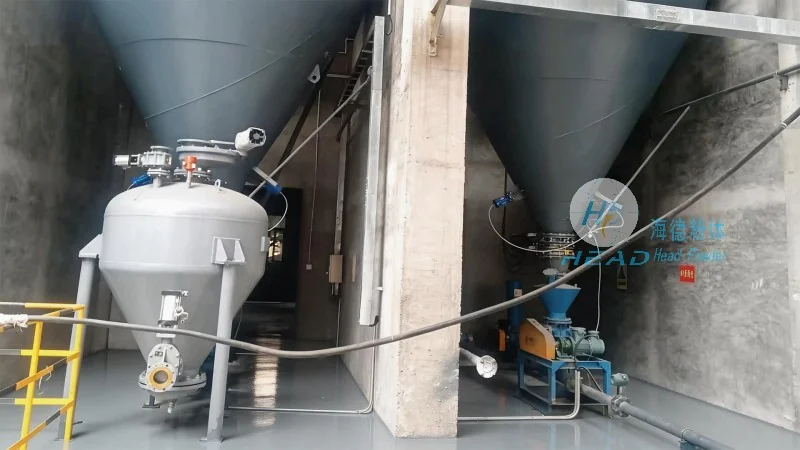
3. Low Maintenance Requirements: Since the system relies on air flow rather than moving parts, there is less wear and tear compared to mechanical conveyors. This reduces the need for frequent maintenance, lowering operational costs and minimizing production interruptions. The absence of belts, chains, or rollers also eliminates the risk of mechanical failure or material damage.
4. Flexibility and Versatility: PVC pellet pneumatic conveying equipment can be easily adapted to various production layouts and configurations. The system can be reconfigured to change the direction of material flow or to connect multiple processing units. This flexibility allows manufacturers to optimize their workflow and accommodate changes in production needs without significant modifications to the equipment.
5. Environmental Benefits: Pneumatic conveying systems are generally more environmentally friendly than other methods. They reduce the risk of dust emissions and minimize the need for additional cleaning or waste disposal. The enclosed design also helps in controlling odors and preventing the spread of contaminants, contributing to a safer and more sustainable industrial operation.
Application Scenarios and Considerations
PVC pellet pneumatic conveying equipment is commonly used in various industrial applications, including:
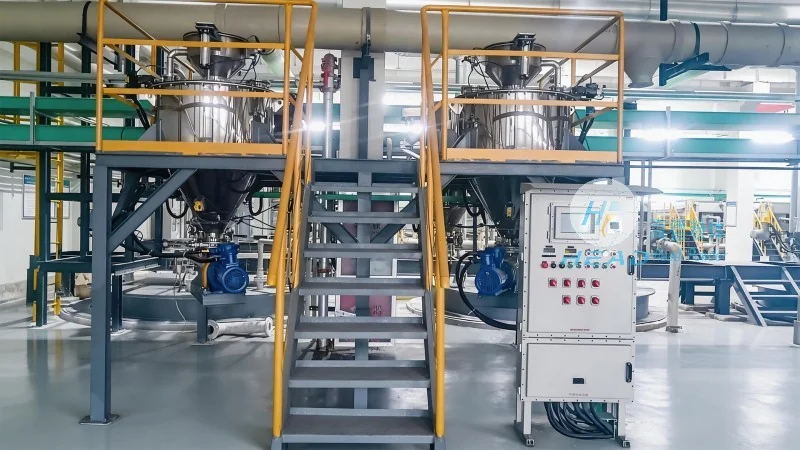
1. Plastic Manufacturing Plants: In facilities where PVC pellets are processed into products like pipes, flooring, or siding, pneumatic conveyors are used to transport raw materials from storage to processing machines. This ensures a steady supply of material while maintaining cleanliness and efficiency.
2. Chemical Processing Facilities: For industries dealing with PVC pellets that may contain additives or pigments, pneumatic systems help in transferring these materials without mixing or contamination. The enclosed pipeline prevents the release of harmful substances into the environment.
3. Material Handling and Storage: In warehouses or storage facilities, pneumatic conveyors can be used to move PVC pellets from storage silos to production lines or packaging areas. This allows for automated and streamlined material handling, reducing manual labor and improving operational efficiency.
When selecting a PVC pellet pneumatic conveying system, several factors should be considered to ensure optimal performance. These include the volume of material to be transported, the distance between the source and destination, the required speed of transfer, and the specific characteristics of the PVC pellets (such as size, shape, and moisture content). Additionally, the system should be designed to handle potential challenges like blockages or variations in material flow, ensuring reliable operation under different conditions.
Conclusion
PVC pellet pneumatic conveying equipment is a highly effective solution for transporting plastic pellets in industrial settings. By leveraging air-based technology, it offers numerous advantages over traditional mechanical conveyors, including efficiency, cleanliness, low maintenance, and flexibility. The working principle of these systems involves the use of vacuum or pressure to move pellets through an enclosed pipeline, with additional components to ensure proper separation and delivery. For manufacturers dealing with PVC pellets, investing in a well-designed pneumatic conveying system can lead to improved productivity, reduced costs, and enhanced product quality. As a leading provider in this field, Shandong HeadPowder Engineering Co., Ltd. specializes in manufacturing and supplying high-quality pneumatic conveying equipment tailored to meet the specific needs of industrial clients in China.