

Working Principle and Features of Coffee Bean Pneumatic Conveying Equipment
For businesses in the coffee industry, efficient and reliable material handling is crucial to maintaining product quality and operational efficiency. Pneumatic conveying systems offer a sophisticated solution for transporting coffee beans, from raw green beans to processed roasted beans. These systems utilize air pressure to move coffee beans through a network of pipes, providing a clean, dust-free, and hygienic method of material transport. In this article, we will explore the working principle and key features of coffee bean pneumatic conveying equipment, highlighting how it enhances operational performance and product integrity.
HeadPowder: Your Trusted Partner in Coffee Processing Solutions
Shandong HeadPowder Engineering Co., Ltd. is a leading manufacturer specializing in engineering solutions for the food and beverage industry. With a focus on innovation and quality, HeadPowder provides customized pneumatic conveying systems tailored to the unique needs of coffee processing facilities. Our company, based in Shandong, China, combines years of industry experience with advanced technology to deliver equipment that meets the highest standards of hygiene, efficiency, and durability. By partnering with HeadPowder, coffee producers can ensure their operations run smoothly, with minimal downtime and optimal product handling.
The Working Principle of Coffee Bean Pneumatic Conveying Equipment
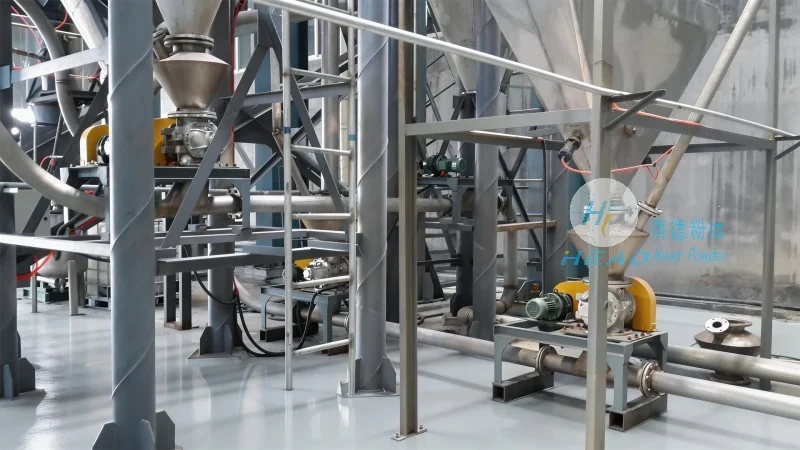
Coffee bean pneumatic conveying systems operate on the principle of air movement to transport solid materials. The process typically involves a series of components, including a hopper for material storage, a blower or compressor to generate air pressure, a conveying line with appropriate fittings and valves, and a discharge point for the coffee beans. The system works by introducing air into the conveying line, creating a pressure differential that lifts and moves the coffee beans. There are two main types of pneumatic conveying: dilute phase and dense phase. Dilute phase systems use higher air velocities to transport beans in a suspended state, while dense phase systems use lower velocities to move beans in a more compacted form, reducing the risk of product degradation and equipment wear.
Key Features of Coffee Bean Pneumatic Conveying Equipment
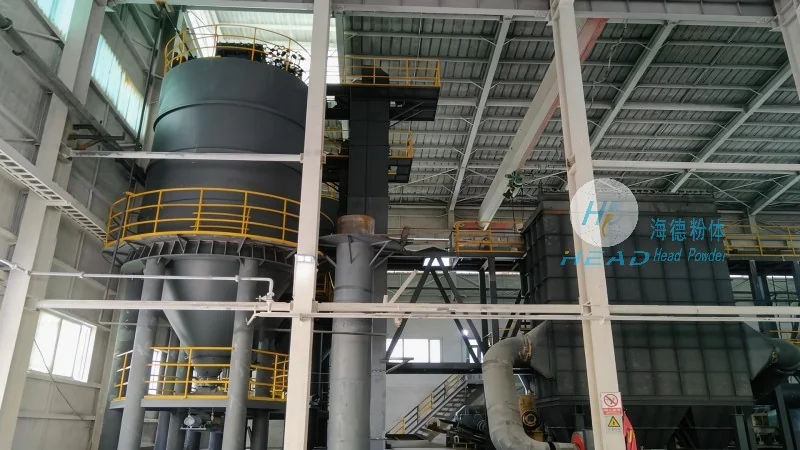
HeadPowder's coffee bean pneumatic conveying equipment is designed with several key features that enhance its performance and suitability for coffee processing. Firstly, the equipment is constructed from food-grade materials, ensuring compliance with hygiene standards and preventing contamination of the coffee beans. This includes stainless steel components, which are resistant to corrosion and easy to clean. Secondly, the system offers adjustable air pressure and flow rates, allowing operators to optimize the conveying process for different bean types and processing stages. This flexibility ensures consistent material transport without damage to the coffee beans. Thirdly, the equipment includes advanced control systems that monitor pressure, flow, and temperature, providing real-time feedback and enabling proactive maintenance. These features help prevent system failures and reduce operational costs. Additionally, the conveying lines are equipped with filters and cyclones to separate air from the coffee beans, ensuring that the discharged product is clean and free from dust or debris. This not only improves product quality but also maintains the efficiency of downstream processing equipment.
Benefits of Using Coffee Bean Pneumatic Conveying Equipment
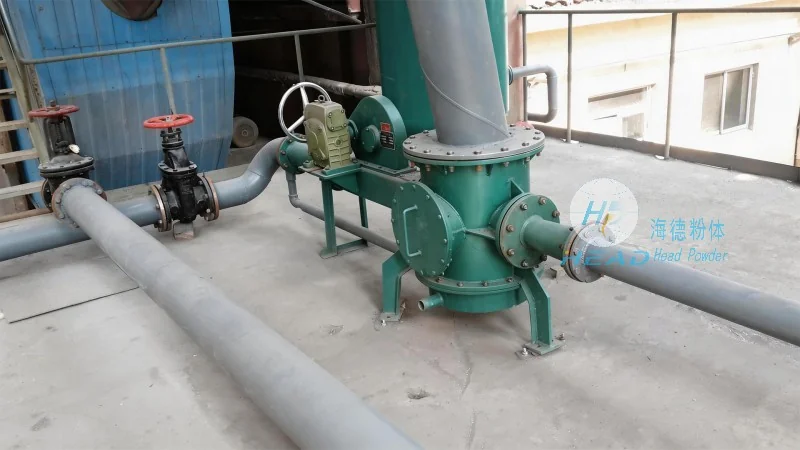
Implementing a pneumatic conveying system for coffee bean transport offers numerous benefits for coffee processing facilities. One of the primary advantages is the reduction in manual handling, which minimizes the risk of product damage and contamination. By automating the material transport process, businesses can improve operational efficiency and reduce labor costs. The hygienic nature of pneumatic conveying also helps maintain the quality and freshness of the coffee beans, which is critical for preserving flavor and aroma. Furthermore, the system's ability to handle different bean sizes and types without the need for additional processing steps saves time and resources. Another key benefit is the space-saving design of the equipment, which is particularly advantageous for facilities with limited floor space. The compact nature of the system allows for easy integration into existing processing lines, minimizing the need for major structural changes. Finally, the durability and low maintenance requirements of the equipment contribute to long-term cost savings and operational reliability.
Conclusion: Enhancing Coffee Processing with Advanced Pneumatic Conveying
As the coffee industry continues to grow and demand for high-quality products increases, the importance of efficient material handling cannot be overstated. Coffee bean pneumatic conveying equipment from HeadPowder offers a reliable and effective solution for transporting coffee beans while maintaining product integrity and operational efficiency. By understanding the working principle and key features of these systems, coffee producers can make informed decisions about implementing the right equipment for their operations. The benefits of using pneumatic conveying, including improved hygiene, reduced labor costs, and enhanced product quality, make it a worthwhile investment for any coffee processing facility. With HeadPowder as a partner, businesses can ensure their coffee bean transport processes are optimized for success, contributing to the overall growth and profitability of their operations.