

Working Principles and Characteristics of Polyolefin Pneumatic Conveying Equipment
Shandong HeadPowder Engineering Co., Ltd., a professional manufacturer based in Shandong, China, specializes in the design, production, and supply of advanced polyolefin pneumatic conveying equipment. Our company, often referred to as headpowder, leverages decades of industry experience to deliver high-performance solutions tailored to the unique demands of polyolefin handling applications.
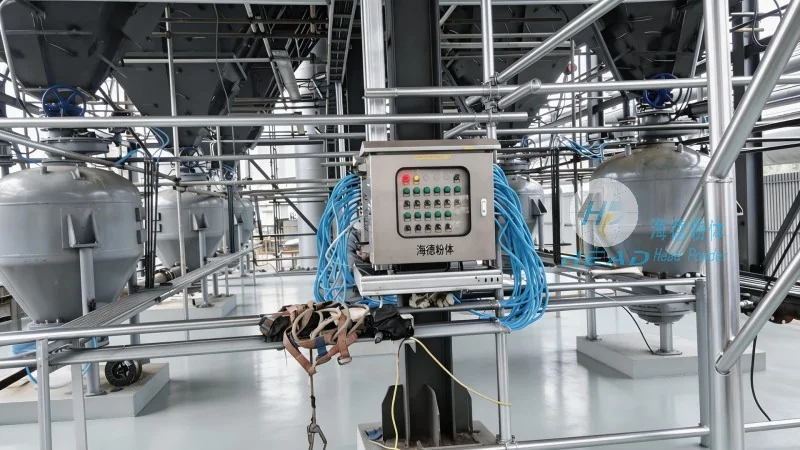
Working Principles of Polyolefin Pneumatic Conveying Equipment
Polyolefin pneumatic conveying systems operate on the fundamental principle of utilizing air or gas as the medium to transport solid materials. The process typically involves a combination of pressure and vacuum mechanisms to move polyolefin particles from the source to the destination. In pressure systems, compressed air is introduced into the conveying line, creating a positive pressure that pushes the material forward. Conversely, vacuum systems create a negative pressure, drawing the material into the line. The choice between pressure and vacuum depends on factors such as the distance to be covered, the material's properties, and the system's layout. The equipment includes key components like feeders, conveyors, separators, and control units, each playing a critical role in ensuring efficient and reliable material transport.
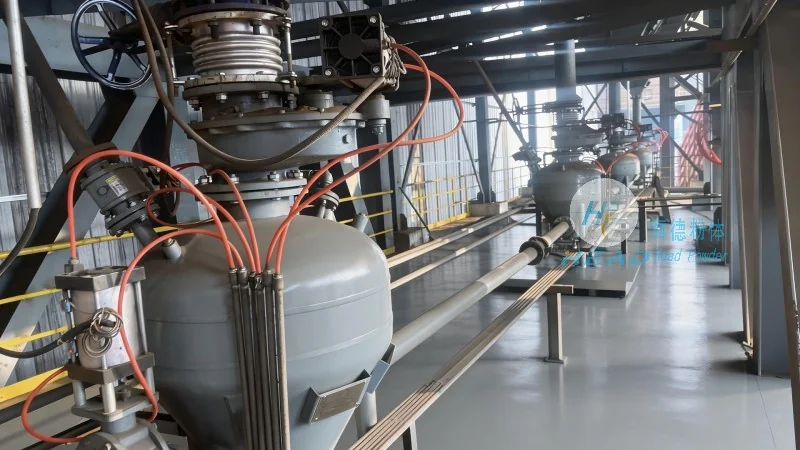
Key Characteristics of Polyolefin Pneumatic Conveying Equipment
Efficiency and Versatility: Polyolefin pneumatic conveying equipment is renowned for its ability to handle a wide range of polyolefin materials, including powders, granules, and pellets. The systems are designed to accommodate varying particle sizes and densities, making them suitable for diverse industrial applications. The flexible design allows for easy integration into existing production lines or new setups, reducing installation time and costs.
Environmental Friendliness: Unlike traditional mechanical conveying methods, pneumatic systems minimize material contamination and dust exposure. The enclosed design prevents the release of polyolefin particles into the environment, enhancing workplace safety and compliance with environmental regulations. This feature is particularly important for polyolefin handling, where dust can pose health risks and affect product quality.
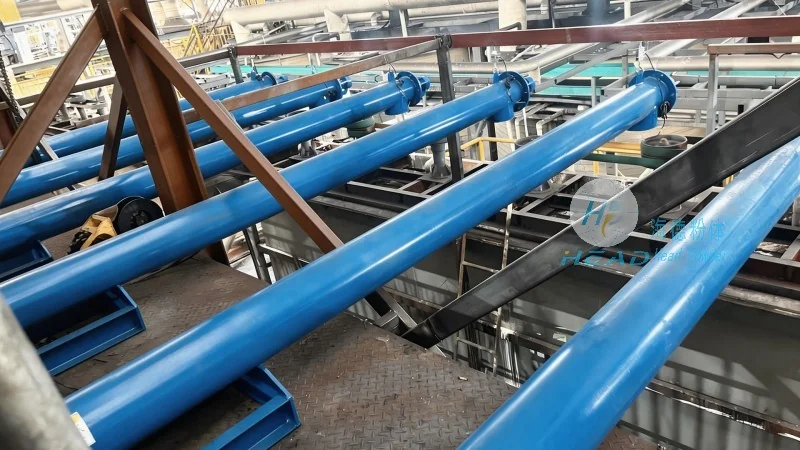
Space-Saving and Compact Design: Pneumatic conveying equipment is often more compact than traditional systems, requiring less floor space for installation. This is especially beneficial in facilities with limited room for large machinery. The compact design also simplifies maintenance and reduces the overall footprint of the conveying system.