

[W]Working Principle and Features of Polypropylene Granule Pneumatic Conveying Equipment
For industrial applications requiring the efficient and reliable transport of polypropylene granules, pneumatic conveying systems offer a robust solution. These systems are engineered to handle the unique properties of polypropylene, ensuring minimal product degradation and optimal operational performance. This article explores the working principle and key features of polypropylene granule pneumatic conveying equipment, highlighting how such systems enhance material handling processes in manufacturing environments.
Working Principle of Polypropylene Granule Pneumatic Conveying Equipment
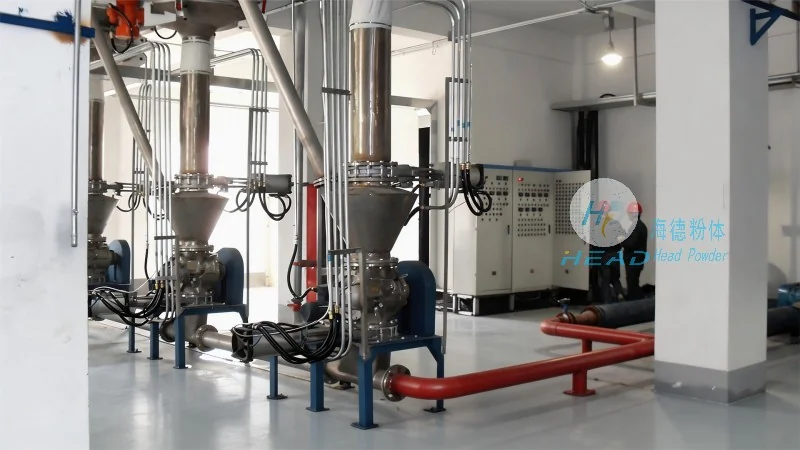
Pneumatic conveying equipment operates on the fundamental principle of using compressed air or other gases to transport solid particles through a closed pipeline system. In the case of polypropylene granules, the process begins with the material being fed into a hopper or feeder, where it is then introduced into a pipeline. Compressed air is then introduced at one end of the pipeline, creating a flow that propels the granules forward. The equipment typically includes components such as a rotary valve or screw feeder for material intake, a venturi or eductor to generate the necessary air flow, and a separation system to discharge the material at the destination. The entire process is designed to maintain consistent air pressure and flow rates, ensuring that polypropylene granules are conveyed smoothly without clogging or degradation.
The working principle of polypropylene granule pneumatic conveying systems is tailored to address the specific characteristics of polypropylene, including its relatively low density and tendency to agglomerate. By controlling the air velocity and pressure within the pipeline, the system can effectively transport granules over long distances while minimizing the risk of product breakage or contamination. The use of specialized materials for the pipeline and components, such as stainless steel or corrosion-resistant alloys, further enhances the durability and longevity of the equipment, making it suitable for continuous industrial operations.
Key Features of Polypropylene Granule Pneumatic Conveying Equipment
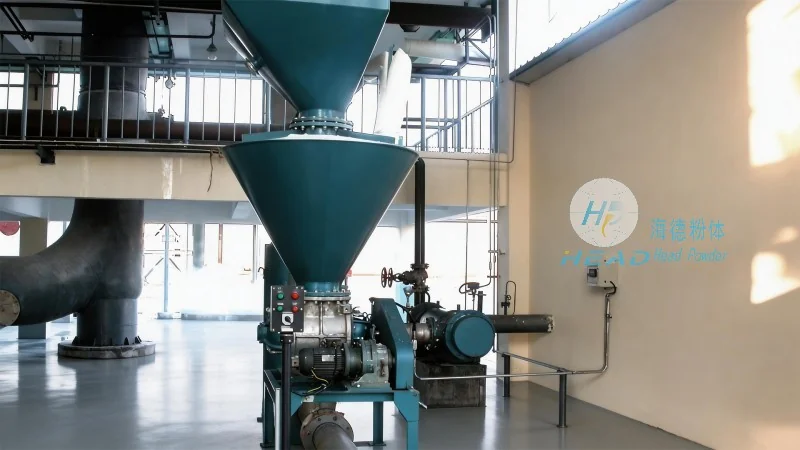
HeadPowder, a leading manufacturer based in Shandong, China, specializes in designing and producing high-quality polypropylene granule pneumatic conveying equipment. The features of their systems are tailored to meet the demands of modern manufacturing, offering several advantages over traditional material handling methods. One of the primary features is the high efficiency in material transport, as pneumatic systems can move large volumes of polypropylene granules quickly and with minimal labor. This efficiency is achieved through optimized air flow management and the use of advanced control systems that regulate pressure and velocity in real-time.
Another significant feature is the low product loss and contamination risk. Unlike mechanical conveying methods, which may cause friction and particle breakage, pneumatic systems use air to move materials, reducing the likelihood of dust generation or product degradation. This is particularly important for polypropylene granules, which are often used in applications where purity and quality are critical, such as in the production of plastic products or packaging materials. The equipment also incorporates dust collection and filtration systems to maintain a clean working environment, further enhancing product quality and safety.
Adaptability to various operational conditions is another key feature of polypropylene granule pneumatic conveying equipment. These systems can be configured to handle different particle sizes, flow rates, and distances, making them suitable for a wide range of industrial applications. Whether transporting granules over short distances within a factory or over long distances between production facilities, the equipment can be customized to meet specific requirements. Additionally, the modular design of the systems allows for easy integration with existing production lines, reducing downtime and installation costs.
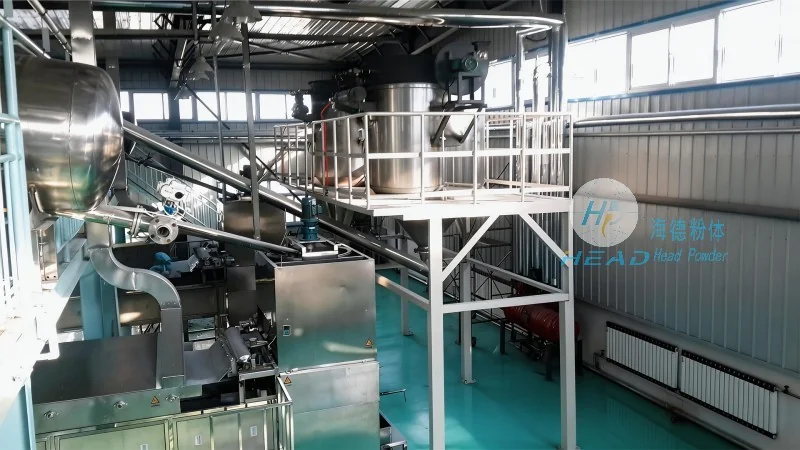
Maintenance and operational flexibility are also important considerations in the design of polypropylene granule pneumatic conveying equipment. The use of durable materials and robust components ensures that the systems require minimal maintenance, reducing operational costs and increasing uptime. The equipment is equipped with monitoring and control systems that allow operators to adjust parameters such as air pressure and flow rate as needed, ensuring optimal performance under varying conditions. This flexibility enables manufacturers to adapt to changing production demands without significant modifications to the conveying system.
Conclusion
Polypropylene granule pneumatic conveying equipment, as exemplified by the products from Shandong HeadPowder Engineering Co., Ltd., represents a sophisticated solution for efficient material handling in industrial settings. By leveraging the principles of pneumatic transport, these systems offer high efficiency, low product loss, and adaptability to diverse operational needs. The robust design and advanced features of such equipment ensure reliable performance, making them an essential component of modern manufacturing processes. For industries dealing with polypropylene granules, investing in high-quality pneumatic conveying systems not only improves operational efficiency but also enhances product quality and safety, contributing to overall business success.