

Working Principle and Features of Additive Pneumatic Conveying Equipment
When it comes to efficiently transporting bulk materials in industrial settings, additive pneumatic conveying equipment offers a reliable and efficient solution. This equipment is widely used in various industries, including food processing, pharmaceuticals, and chemical manufacturing, where the handling of powders and granules requires precision and control. Understanding the working principle and key features of such equipment is essential for businesses seeking to optimize their material handling processes.
Introduction to Additive Pneumatic Conveying Equipment
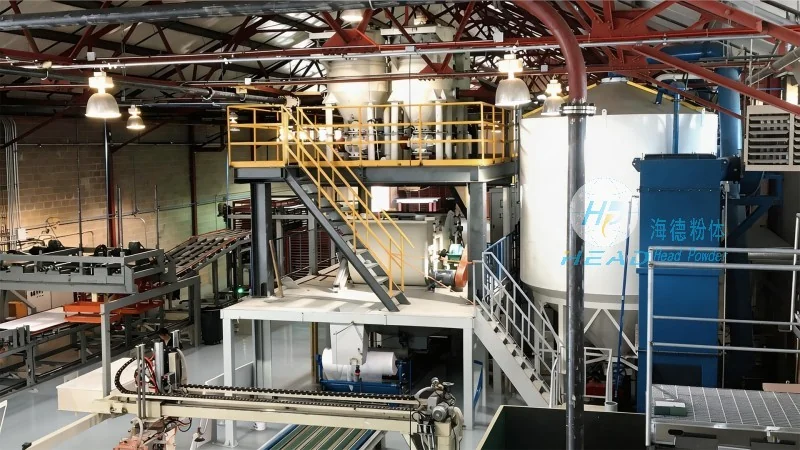
Additive pneumatic conveying systems are designed to transport dry bulk materials through a pipeline using a combination of air and pressure. Unlike traditional mechanical conveyors, these systems rely on the force of compressed air to move materials from one location to another. The equipment is typically composed of several key components, including a hopper for material storage, a blower or compressor to generate the necessary air pressure, a pipeline system for material transport, and a receiver or discharge point for the material.
Working Principle of Additive Pneumatic Conveying Equipment
The core working principle of additive pneumatic conveying equipment involves the creation of a low-pressure or high-pressure air stream within the pipeline. The process begins with the material being fed from the hopper into the pipeline. As the air is introduced, it creates a flow that lifts and transports the material along the pipeline. The air velocity is carefully controlled to ensure that the material is conveyed without causing excessive wear or degradation. The system can operate in either positive pressure or negative pressure modes, depending on the specific application and material characteristics.
Key Features of Additive Pneumatic Conveying Equipment
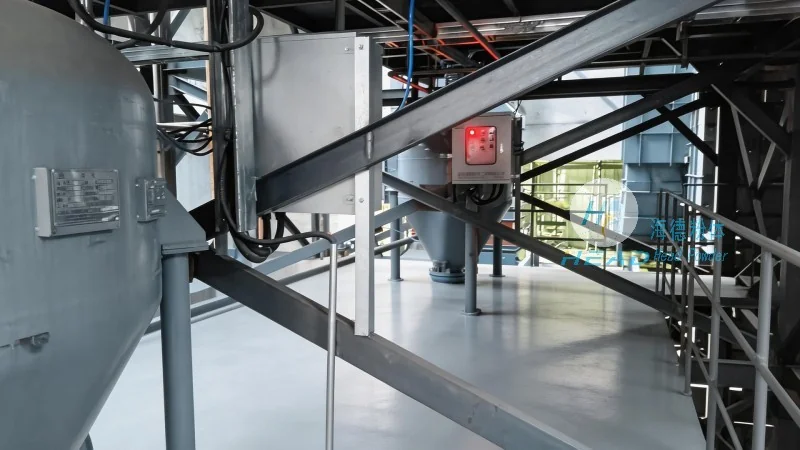
One of the primary advantages of additive pneumatic conveying equipment is its ability to handle a wide range of materials, including fine powders, granules, and even sticky or abrasive substances. The system is designed to minimize product contamination and maintain product integrity, which is crucial in industries such as food and pharmaceuticals. Additionally, these systems offer flexibility in terms of layout and can be easily integrated into existing production lines. The equipment is also known for its low maintenance requirements and energy efficiency, making it a cost-effective solution for long-term material handling needs.
Applications and Benefits in Industrial Settings
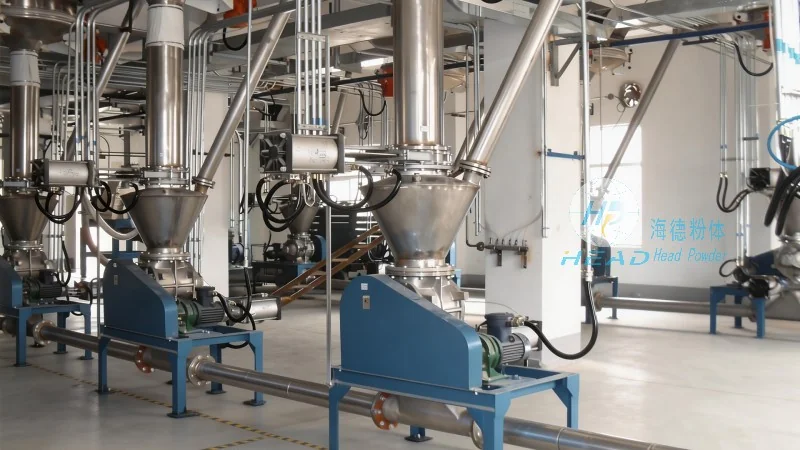
Additive pneumatic conveying equipment is widely utilized across various industries due to its versatility and efficiency. In the food industry, it is commonly used for transporting ingredients like flour, sugar, and spices, ensuring a hygienic and controlled process. In the pharmaceutical sector, the equipment is employed to handle active pharmaceutical ingredients (APIs) and other sensitive materials, maintaining strict quality and safety standards. The chemical industry also benefits from these systems when transporting powders and granules for production processes. The benefits of using additive pneumatic conveying include improved process control, reduced labor costs, and enhanced safety by minimizing manual handling of bulk materials.
Company Information: Shandong HeadPowder Engineering Co., Ltd.
For businesses seeking high-quality additive pneumatic conveying equipment, Shandong HeadPowder Engineering Co., Ltd. is a leading provider. With a strong commitment to innovation and customer satisfaction, the company specializes in designing and manufacturing customized solutions tailored to the specific needs of each client. HeadPowder, as the company is commonly known, has established itself as a trusted name in the industry, offering reliable and efficient equipment that meets international standards. The company is located in Shandong, China, and serves clients globally with its advanced technology and professional service.