

Working Principle and Features of Aggregate Pneumatic Conveying Equipment
Aggregate pneumatic conveying equipment is a vital component in modern material handling systems, engineered to transport bulk materials such as aggregates, powders, and granules through a pipeline using air as the conveying medium. This technology provides a flexible and efficient solution for moving materials across various industrial applications, from construction sites to manufacturing facilities. The equipment operates by creating a pressure differential within the pipeline, which propels the material forward while preserving the integrity of the material being transported.
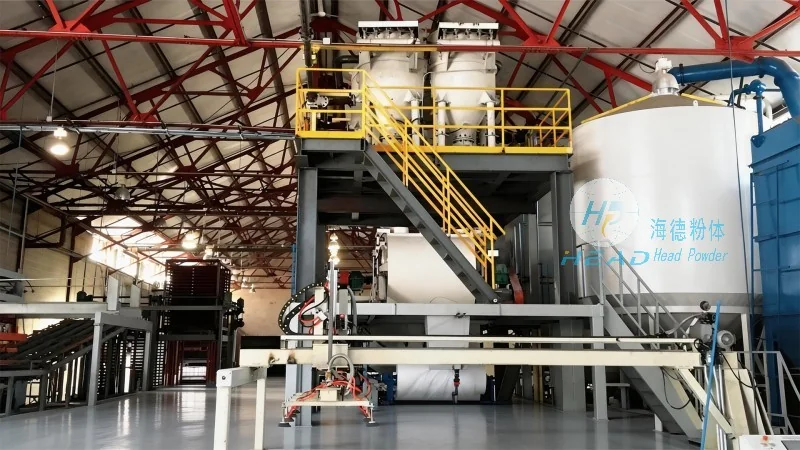
Working Principle of Pneumatic Conveying Systems
The fundamental working principle of aggregate pneumatic conveying equipment involves the utilization of a blower or compressor to generate airflow within a closed pipeline system. The system typically comprises a hopper for material storage, a conveyor line, and a discharge point. As air is introduced into the pipeline, it creates a low-pressure zone that draws material from the hopper into the conveyor. The material is then carried along the pipeline by the moving air, often in a dilute-phase or dense-phase mode depending on the system design and material characteristics. The dilute-phase system employs higher air velocities to transport material in a dispersed state, while the dense-phase system utilizes lower air velocities and higher material concentrations to ensure more efficient and gentle handling of the aggregate.
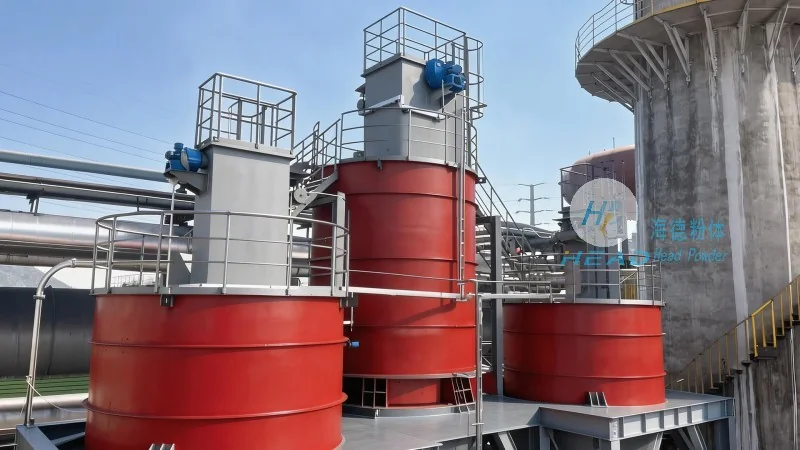
Key Features and Advantages of Aggregate Pneumatic Conveying Equipment
One of the primary advantages of aggregate pneumatic conveying equipment is its capability to handle a wide range of materials, including fine powders, coarse aggregates, and mixtures. The system offers high flexibility, allowing for changes in material type or flow rate without significant modifications to the equipment. Additionally, it provides a dust-free and enclosed operation, enhancing safety and reducing environmental impact compared to traditional methods like bucket elevators or belt conveyors. The equipment also enables precise control over material flow, facilitating accurate dosing and regulation of the conveying process. Another notable feature is its compact design, which saves space in industrial settings and allows for easy integration into existing production lines. The system's ability to operate in both horizontal and vertical orientations further enhances its versatility, making it suitable for various layout configurations.
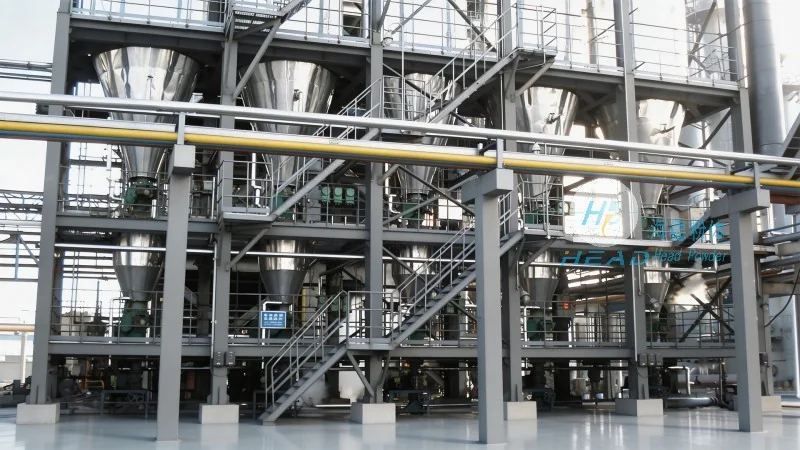
Technical Specifications and Performance Parameters
When assessing aggregate pneumatic conveying equipment, several technical specifications and performance parameters are critical. The system's capacity, measured in tons per hour or cubic meters per hour, determines its suitability for different production scales. The air pressure and flow rate required for efficient conveying depend on the material's density, particle size, and moisture content. For instance, coarse aggregates with larger particle sizes may require higher air velocities to prevent blockages, while fine powders need lower velocities to avoid excessive wear on the pipeline. The equipment's power consumption is another important factor, as it directly impacts operational costs. Modern systems often incorporate energy-efficient blowers and optimized pipeline designs to minimize energy usage. Furthermore, the system's durability and maintenance requirements are key considerations, with high-quality materials and robust construction ensuring long-term reliability and reduced downtime.
Applications in Various Industries
Aggregate pneumatic conveying equipment finds extensive applications across multiple industries. In the construction industry, it is widely used for transporting sand, gravel, and other aggregates from storage to mixing plants or job sites. The equipment's ability to handle large volumes and maintain material quality makes it ideal for concrete production lines. In the chemical industry, it is employed to transport powders and granules, such as cement, fertilizer, and chemical additives, ensuring a clean and efficient process. The food and pharmaceutical industries also benefit from this technology, as it provides a hygienic and dust-free method for handling bulk food products and raw materials. Additionally, in the mining sector, pneumatic conveying systems are used to transport ore and other minerals from processing facilities to storage or transportation points. The versatility of the equipment allows it to adapt to diverse operational needs, making it a preferred choice in many industrial settings.
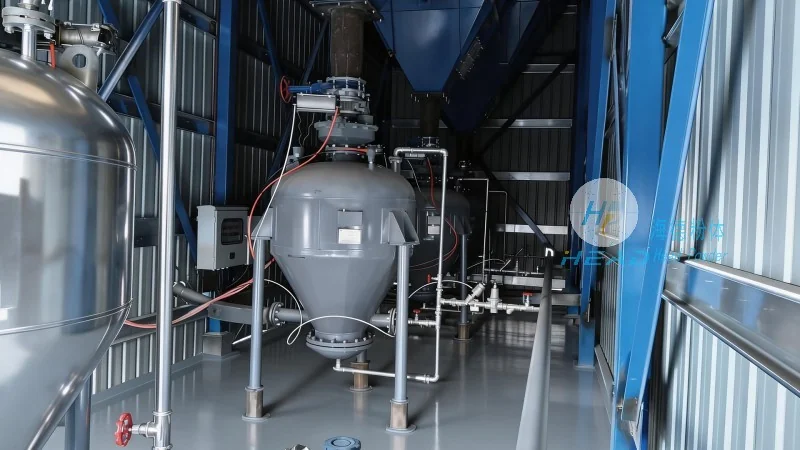
Installation and Maintenance Considerations
Proper installation and regular maintenance are essential for the optimal performance and longevity of aggregate pneumatic conveying equipment. During installation, it is crucial to ensure that the pipeline is properly aligned and secured to prevent vibrations and leaks. The hopper and discharge points should be positioned to minimize material buildup and ensure smooth flow. Regular inspection of the blower, pipeline, and valves is necessary to detect any signs of wear or damage. Cleaning the system periodically, especially after handling different materials, helps maintain efficiency and prevent clogging. The use of appropriate filters and separators is also important to remove dust and debris from the air, protecting the equipment and ensuring clean operation. By adhering to proper installation and maintenance practices, users can maximize the equipment's lifespan and minimize operational disruptions.