

Working Principle and Features of Caustic Soda Pneumatic Conveying Equipment
Caustic soda, also known as sodium hydroxide, is a widely used chemical in various industrial processes. The efficient and safe transportation of caustic soda is crucial for industrial operations, and pneumatic conveying equipment has emerged as a reliable solution. This article explores the working principle and key features of caustic soda pneumatic conveying equipment, highlighting its role in modern industrial applications.
Introduction to Caustic Soda Pneumatic Conveying
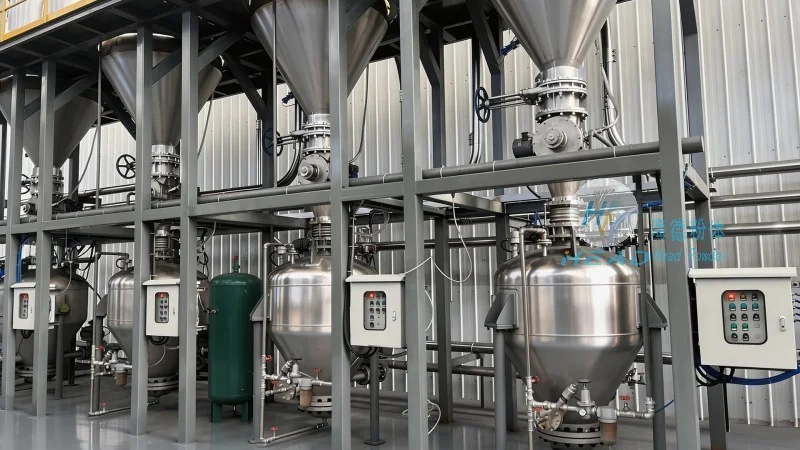
Caustic soda, with its strong alkaline properties, requires specialized handling to ensure safety and operational efficiency. Pneumatic conveying systems provide an effective method for transporting caustic soda in solid form, such as flakes or granules, from storage to processing units. These systems utilize air or other gases to move the material through a network of pipes, eliminating the need for mechanical components that might come into direct contact with the caustic soda.
The Working Principle of Pneumatic Conveying Systems
The core of a caustic soda pneumatic conveying system lies in its ability to transport material using air pressure. There are two primary types of pneumatic conveying: positive pressure and negative pressure systems. Positive pressure systems generate air pressure at the material source, pushing the material through the pipeline. Negative pressure systems, on the other hand, create a vacuum at the discharge end, drawing the material into the system. For caustic soda, positive pressure systems are often preferred due to their ability to handle abrasive materials and maintain consistent flow rates.
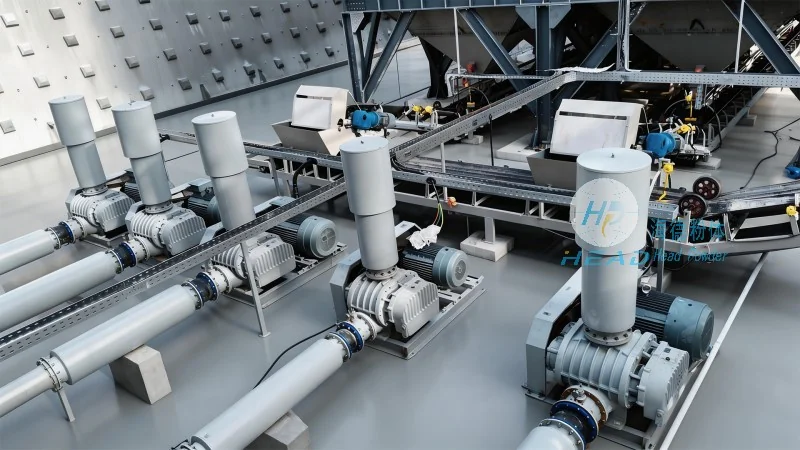
Key components of a typical caustic soda pneumatic conveying system include the material feed hopper, air compressor, conveying pipeline, separation and collection unit, and control system. The feed hopper holds the caustic soda flakes, and a rotary valve or screw feeder controls the material discharge into the pipeline. The air compressor supplies the necessary air pressure, which is mixed with the material to form a slurry-like flow. The conveying pipeline transports the mixture to the destination, where a separator and cyclone unit separate the material from the air. The separated caustic soda is then collected in a storage bin or processing vessel, while the air is filtered and discharged safely.
Key Features and Advantages of Caustic Soda Pneumatic Conveying Equipment
Caustic soda pneumatic conveying equipment offers several advantages that make it suitable for industrial applications. One of the primary benefits is its ability to handle abrasive and corrosive materials without causing wear or damage to the system components. The use of air as the conveying medium reduces the risk of contamination and ensures a clean transfer process. Additionally, pneumatic conveying systems can operate in a closed loop, minimizing dust emissions and environmental impact, which is crucial for compliance with industrial regulations.
Another significant feature is the flexibility of these systems. They can be designed to handle various material forms, including flakes, granules, and powders, and can be integrated with existing industrial processes. The systems are also relatively compact, allowing for installation in confined spaces, and can be customized to meet specific operational requirements, such as high or low flow rates. Safety is a critical aspect of caustic soda handling, and pneumatic conveying equipment incorporates features like pressure relief valves, explosion-proof designs, and material flow monitoring to ensure safe operation.
Applications and Industrial Use Cases
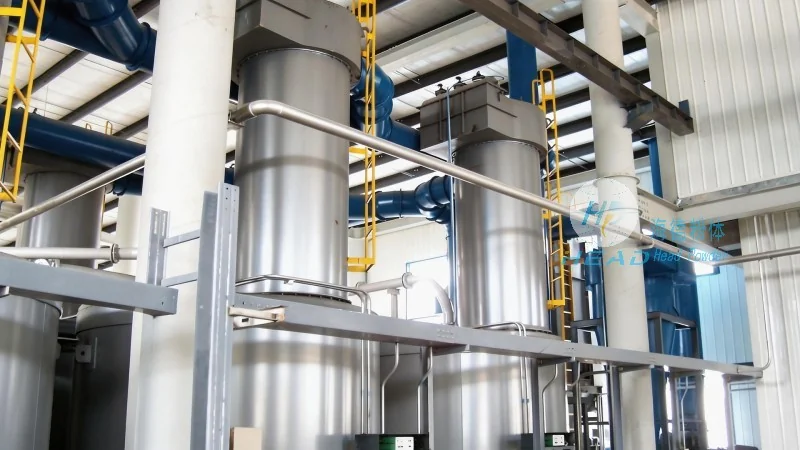
Caustic soda pneumatic conveying equipment is widely used in industries such as chemical manufacturing, paper production, and water treatment. In chemical plants, it facilitates the transfer of caustic soda from storage tanks to reactors and processing units, ensuring a continuous supply of raw material. In the paper industry, the equipment is used to transport caustic soda for the production of pulp and paper, where consistent material flow is essential for maintaining production efficiency. In water treatment facilities, pneumatic conveying systems help in the distribution of caustic soda for pH adjustment and water purification processes.
Conclusion and Company Overview
Caustic soda pneumatic conveying equipment is a vital component in modern industrial operations, providing an efficient, safe, and environmentally friendly method for transporting caustic soda. The working principle, which relies on air pressure to move material through a closed system, combined with its key features such as corrosion resistance, dust control, and flexibility, makes it an ideal solution for various applications. As a leading provider in this field, Shandong HeadPowder Engineering Co., Ltd. specializes in designing and manufacturing high-quality pneumatic conveying systems tailored to the specific needs of industrial clients. With a focus on innovation and adherence to industry standards, the company ensures that its equipment meets the rigorous demands of caustic soda handling, contributing to the efficiency and safety of industrial processes worldwide.