

Working Principle and Characteristics of Pulse Pneumatic Conveying Systems
For industrial applications requiring efficient and reliable material handling, pulse pneumatic conveying systems have emerged as a preferred solution. This technology offers a versatile method for transporting bulk materials through a pipeline using compressed air. Understanding the working principle and key characteristics of such systems is crucial for selecting the right equipment for specific operational needs.
Working Principle of Pulse Pneumatic Conveying Systems
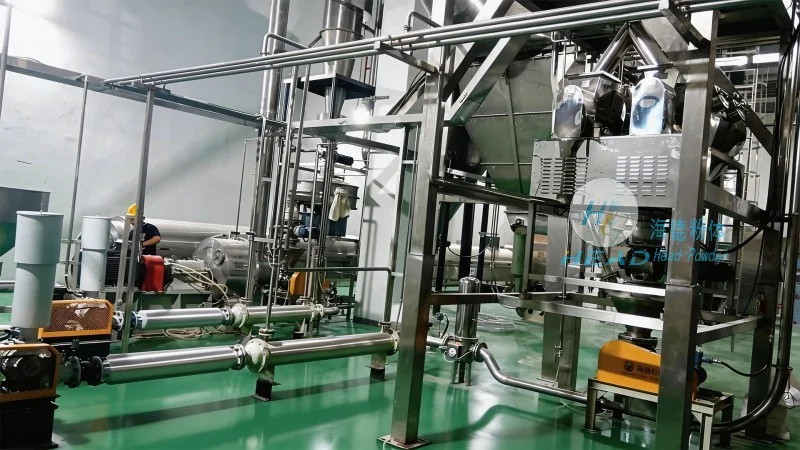
Pulse pneumatic conveying operates on the principle of creating a series of high-velocity air pulses within a conveying line. These pulses are generated by a pulse generator, typically a solenoid valve, which intermittently releases compressed air into the pipeline. The air pulses create a dynamic flow that propels the material forward. The system consists of several components, including a hopper for material storage, a pulse generator, a filter system to remove dust from the air, and a discharge outlet where the material is collected. The process begins when material is fed into the hopper, and the pulse generator initiates the air pulses. As the air pulses move through the pipeline, they lift and transport the material particles, ensuring consistent and continuous flow. The frequency and duration of the air pulses can be adjusted to optimize the conveying performance based on the material's properties and the system's design.
Key Characteristics of Pulse Pneumatic Conveying Systems
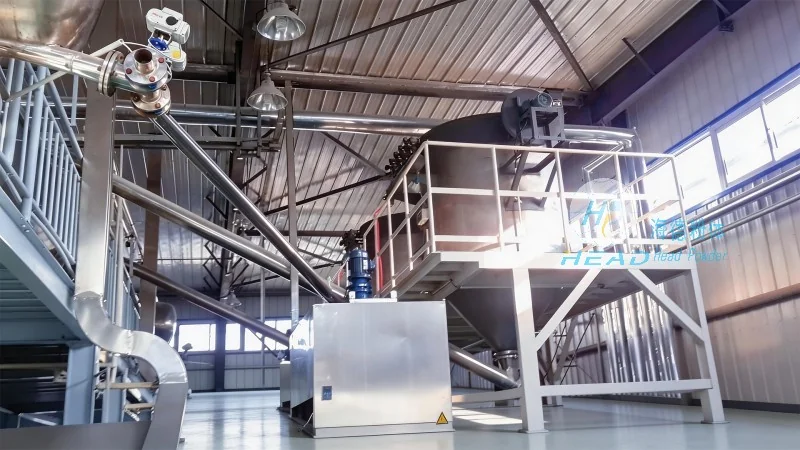
One of the primary advantages of pulse pneumatic conveying is its ability to handle a wide range of materials, from fine powders to bulk solids. The system's flexibility allows for customization to accommodate different particle sizes, densities, and flow rates. Another significant characteristic is its low maintenance requirements, as the equipment operates with minimal moving parts, reducing the risk of mechanical failure. Additionally, pulse systems are known for their energy efficiency, as they use compressed air only when needed, minimizing operational costs. The design also enables the system to handle abrasive materials without causing excessive wear on components, making it suitable for long-term use in demanding industrial environments. Furthermore, the system's ability to maintain a consistent flow rate and pressure ensures stable material transport, which is critical for processes that require precise material delivery. The integration of a filter system also contributes to environmental benefits by capturing dust and particulates, reducing air pollution and improving workplace safety.
Application and Performance Considerations
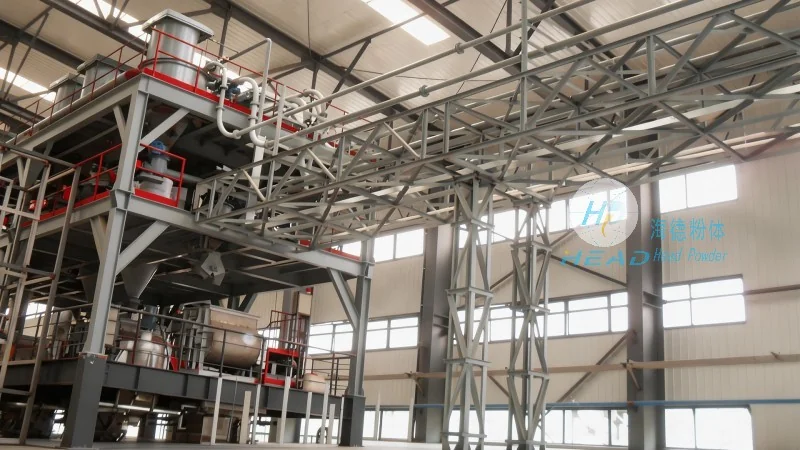
The performance of pulse pneumatic conveying systems is influenced by several factors, including the material's physical properties, the system's pressure and flow rates, and the design of the conveying line. For example, materials with high moisture content or sticky properties may require adjustments to the pulse frequency or air pressure to prevent blockages. The system's efficiency is also dependent on the pipeline length and diameter, as longer or narrower lines may necessitate higher air pressure or more frequent pulses. Proper sizing of the hopper and discharge outlet is essential to maintain consistent material flow and prevent clogging. In industrial settings, pulse pneumatic conveying is commonly used in sectors such as pharmaceuticals, food processing, and chemical manufacturing, where the need for hygienic and dust-free material handling is paramount. The system's ability to transport materials in a closed environment also helps maintain product quality and prevents contamination from external factors.
Conclusion and Company Overview
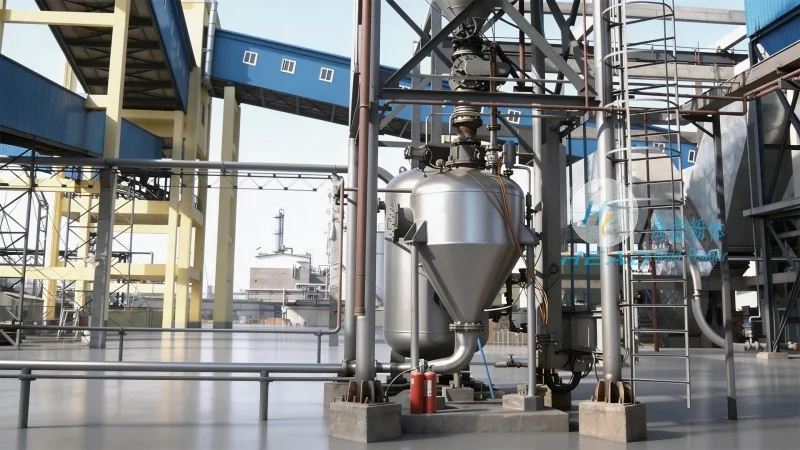
Pulse pneumatic conveying systems represent a sophisticated and efficient solution for bulk material transport, offering advantages in reliability, flexibility, and cost-effectiveness. The working principle, centered on controlled air pulses, ensures consistent material movement, while the system's characteristics, including adaptability and low maintenance, make it suitable for diverse industrial applications. As a leading provider in this field, Shandong HeadPowder Engineering Co., Ltd. specializes in designing and manufacturing high-quality pulse pneumatic conveying systems tailored to meet the specific needs of various industries. With a focus on innovation and precision engineering, the company ensures that its systems deliver optimal performance and durability, supporting the operational efficiency of clients in China and beyond. The company's commitment to quality and customer satisfaction underscores its role as a trusted partner in material handling solutions.