

What is a Phenolic Resin Powder Pneumatic Conveyor? Understanding Its Design Principles
Phenolic resin powder is a widely used material in various industrial applications, known for its excellent mechanical properties, thermal stability, and chemical resistance. When handling such powders, efficient and reliable material transport is crucial to maintain product quality and operational efficiency. A phenolic resin powder pneumatic conveyor is a specialized system designed to transport these fine powders through the use of air or gas as the conveying medium. This article explores the fundamental aspects of such conveyors, including their design principles and the key factors that contribute to their effective operation. The information provided is based on the expertise of Shandong HeadPowder Engineering Co., Ltd., a leading manufacturer of material handling equipment based in China.
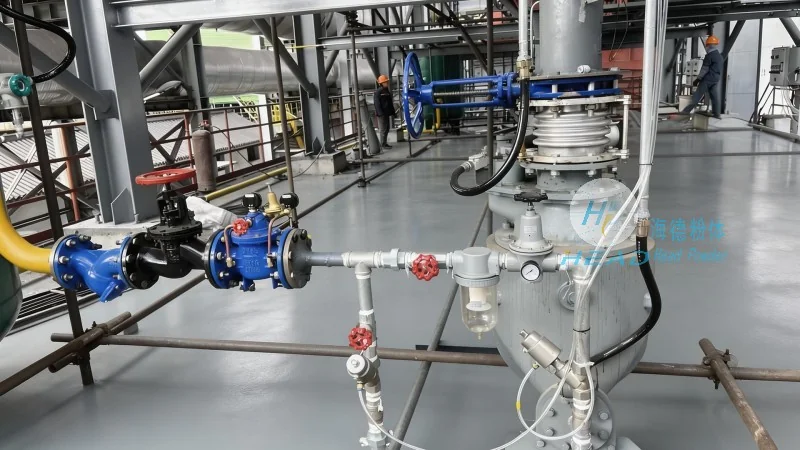
What is a Pneumatic Conveyor?
A pneumatic conveyor, also known as an air conveyor, is a type of material handling equipment that uses compressed air or gas to move bulk materials from one location to another. Unlike mechanical conveyors that rely on belts, chains, or rollers, pneumatic conveyors utilize the force of air to propel particles through a pipeline. This method is particularly suitable for transporting fine powders like phenolic resin, as it minimizes product degradation and contamination. The system typically consists of a hopper for material storage, a blower or compressor to generate airflow, a pipeline network, and a receiver or discharge point.
Design Principles of Phenolic Resin Powder Pneumatic Conveyors
The design of a phenolic resin powder pneumatic conveyor is tailored to address the specific characteristics of the material being transported. Several key principles guide the engineering and configuration of these systems:
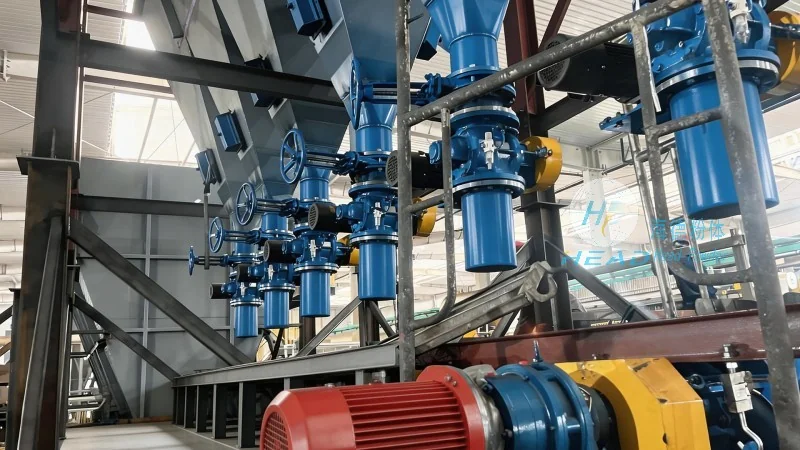
- Material Properties Consideration: Phenolic resin powders are often fine and can be prone to agglomeration or dust formation. The conveyor design must account for these properties to prevent blockages and ensure consistent flow. This includes selecting appropriate hopper designs with smooth surfaces and anti-static features to avoid powder buildup.
- Airflow Management: The velocity and pressure of the air are critical parameters. The system must maintain sufficient air velocity to overcome the resistance of the powder particles and prevent settling in the pipeline. Proper airflow management also helps in controlling the dust emissions and ensuring the material reaches the discharge point without loss or degradation.
- Pipeline Sizing and Layout: The diameter and length of the pipeline are carefully calculated based on the material's bulk density, particle size, and the required conveying rate. The layout of the pipeline, including bends and vertical sections, is designed to minimize pressure drops and maintain the air-powder mixture's stability. Special attention is given to the angle of the vertical sections to prevent material settling and ensure smooth transport.
- Blower and Compressor Selection: The choice of the blower or compressor is based on the required airflow volume and pressure. For phenolic resin powders, which may have high resistance due to their fine particles, a high-pressure blower or a positive displacement compressor is often used to ensure adequate force to move the material through the system.
- Control and Monitoring Systems: Modern pneumatic conveyors incorporate control systems to regulate airflow, pressure, and material flow. Sensors and monitoring devices help in detecting blockages, pressure changes, or abnormal flow conditions, allowing for timely adjustments and preventing system failures.
Key Components of a Phenolic Resin Powder Pneumatic Conveyor
Understanding the components of a phenolic resin powder pneumatic conveyor is essential for grasping its functionality. The main components include:
- Material Hopper: The hopper is the storage container where the phenolic resin powder is loaded. It is designed with a wide opening and a smooth interior to facilitate easy discharge and prevent material bridging. Some hoppers are equipped with vibrators or agitators to help break up any agglomerates and ensure a consistent feed.
- Blower or Compressor: This is the heart of the system, responsible for generating the airflow that propels the powder. The blower can be a centrifugal type or a positive displacement type, depending on the required pressure and flow rate. For phenolic resin powders, a positive displacement blower is often preferred due to its ability to maintain high pressure and stable airflow.
- Pipeline System: The pipeline consists of metal or plastic tubes that transport the air-powder mixture. The material of the pipeline is chosen based on the chemical compatibility with phenolic resin and the need for durability. The pipeline layout includes horizontal, vertical, and curved sections, each designed to maintain the flow characteristics of the mixture.
- Receiver or Discharge Hopper: The receiver is where the conveyed powder is deposited. It is typically a large container with a smooth interior to prevent material sticking and ensure easy discharge. The receiver may also include a filter or cyclone to separate any fine particles from the air before it is released to the atmosphere.
- Control Panel: The control panel houses the electrical and mechanical controls for the system. It includes switches, valves, and sensors that allow operators to start, stop, and monitor the conveyor's operation. The control panel may also feature safety features such as pressure relief valves and emergency stop buttons.
Benefits of Using Phenolic Resin Powder Pneumatic Conveyors
Implementing a phenolic resin powder pneumatic conveyor offers several advantages over traditional mechanical conveying methods:
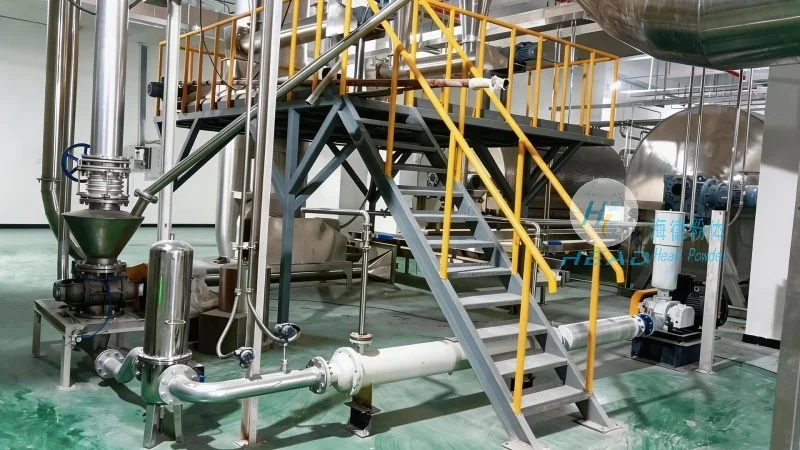
- Reduced Product Contamination: Pneumatic conveyors minimize contact with external surfaces, reducing the risk of contamination from dust, moisture, or other particles. This is particularly important for phenolic resin powders, which are sensitive to moisture and can degrade if exposed to contaminants.
- Improved Material Handling Efficiency: The system allows for continuous and automated material transport, increasing production throughput and reducing labor costs. The ability to transport powders over long distances without the need for intermediate handling points enhances operational efficiency.
- Space Efficiency: Pneumatic conveyors require less floor space compared to mechanical conveyors, as the pipeline can be installed vertically or horizontally in confined areas. This makes them suitable for facilities with limited space.
- Low Maintenance: With fewer moving parts compared to mechanical conveyors, pneumatic systems generally have lower maintenance requirements. The absence of belts, chains, or rollers reduces the risk of wear and tear, leading to longer system life and lower maintenance costs.
- Flexibility in Layout: The modular design of pneumatic conveyors allows for easy reconfiguration of the system layout. This flexibility enables the conveyor to be adapted to changing production needs or facility expansions without major modifications.
Applications of Phenolic Resin Powder Pneumatic Conveyors
Phenolic resin powder pneumatic conveyors are used in a variety of industries where fine powders need to be transported efficiently. Some common applications include:
- Plastics and Resins Manufacturing: In the production of phenolic resins, these conveyors are used to transport raw materials and finished products between processing units, such as reactors, mixers, and storage tanks.
- Electronics and Electrical Industries: Phenolic resins are used in the manufacturing of circuit boards and other electronic components. Pneumatic conveyors help in transporting the resin powders to the coating and molding processes.
- Automotive and Aerospace: In the production of automotive parts and aerospace components, phenolic resins are used for their high strength and heat resistance. The conveyors ensure the consistent supply of resin powders to the manufacturing lines.
- Construction Materials: Phenolic resins are used in the production of composite materials for construction applications. Pneumatic conveyors facilitate the transport of these powders to the mixing and molding equipment.
Conclusion
Phenolic resin powder pneumatic conveyors are essential equipment for efficiently and reliably transporting fine powders in industrial settings. By understanding the design principles and key components of these systems, manufacturers can optimize their material handling processes, improve product quality, and enhance operational efficiency. The technology offers numerous benefits, including reduced contamination, increased throughput, and low maintenance requirements, making it a preferred choice for handling phenolic resin powders. Shandong HeadPowder Engineering Co., Ltd. specializes in designing and manufacturing such systems to meet the diverse needs of industrial clients in China and beyond.