

What is a Stone Powder Granular Material Pneumatic Conveying Machine? What Are Its Design Principles
For industries dealing with stone powder and granular materials, efficient material handling is crucial. A pneumatic conveying machine, specifically designed for such applications, offers a reliable solution. This article explores the concept of a stone powder granular material pneumatic conveying machine and delves into its design principles, highlighting how it enhances operational efficiency and material transport capabilities.
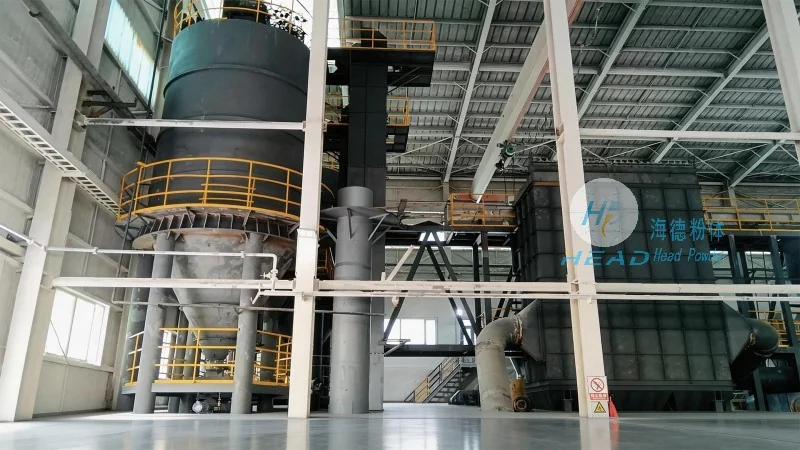
Understanding the Stone Powder Granular Material Pneumatic Conveying Machine
A stone powder granular material pneumatic conveying machine is a specialized system used to transport dry, free-flowing materials like stone powder, sand, or other granular substances through a pipeline using air pressure. Unlike traditional mechanical conveyors, this system relies on the force of compressed air to move materials, making it ideal for applications where dust control, minimal maintenance, and flexible routing are essential. The machine typically consists of a hopper for material storage, a blower or compressor to generate air flow, and a pipeline network that directs the material from the source to the destination. The design ensures that the material is conveyed in a controlled manner, preventing clogging and ensuring consistent flow rates.
Key Components and Their Functions
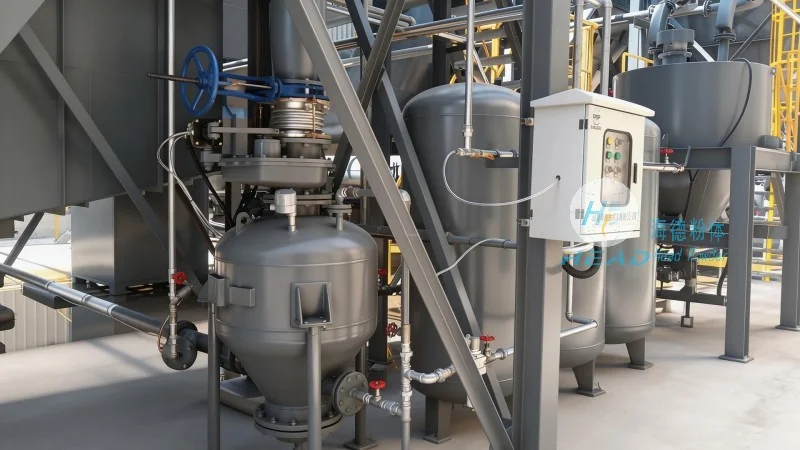
The effectiveness of a pneumatic conveying machine for stone powder and granular materials depends on several key components. Each part plays a critical role in the overall operation:
1. Material Hopper: The hopper is the initial storage unit where the stone powder or granular material is placed. It is designed to hold a sufficient quantity of material to ensure continuous operation without frequent refilling. The hopper often includes a discharge valve or gate to control the flow of material into the pipeline.
2. Air Compressor or Blower: This component generates the necessary air pressure to move the material through the pipeline. The choice between a compressor and a blower depends on the specific application, with compressors providing higher pressure for longer distances and blowers offering lower pressure for shorter runs. The air compressor is responsible for creating a consistent air flow that propels the material particles.
3. Conveying Pipeline: The pipeline is the main channel through which the material and air travel. It is typically made of durable materials like stainless steel or plastic to withstand the abrasive nature of stone powder and prevent corrosion. The pipeline is designed with appropriate bends and fittings to guide the material to the desired destination, ensuring smooth and efficient transport.
4. Material Separation and Collection: At the end of the pipeline, a separator or cyclone is used to separate the material from the air. The separated material is collected in a receiving hopper or container, while the air is either filtered and released back into the environment or recycled for energy efficiency. This step is crucial for maintaining a clean and safe working environment.
Design Principles for Optimal Performance
The design of a stone powder granular material pneumatic conveying machine follows several fundamental principles to ensure efficiency, reliability, and safety. These principles are tailored to the unique characteristics of stone powder and granular materials, which can be abrasive, fine, and prone to dust generation.
1. Air Velocity and Pressure: The air velocity within the pipeline must be sufficient to lift and transport the material particles without causing excessive wear on the equipment. The design calculates the optimal air velocity based on the material's density, particle size, and flow characteristics. Higher air pressure is required for longer conveying distances or for materials with higher resistance to flow.
2. Material Flow Rate and Capacity: The system is designed to handle specific flow rates and capacities, which are determined by the application requirements. The hopper and pipeline dimensions are sized to accommodate the expected material volume, ensuring that the conveying rate matches production needs. Proper sizing prevents bottlenecks and ensures consistent material delivery to the processing or storage areas.
3. Abrasion Resistance and Material Compatibility: Since stone powder is abrasive, the machine components are constructed from materials that can withstand the wear and tear. Stainless steel, high-density polyethylene, or specialized alloys are commonly used for the pipeline and hopper to extend the equipment's lifespan. The design also considers the chemical compatibility of the material with the construction materials to avoid corrosion or degradation.
4. Dust Control and Environmental Safety: Pneumatic conveying systems generate dust, which can be a health hazard and environmental concern. The design incorporates dust collection and filtration systems to capture and remove fine particles from the air. This not only protects the working environment but also prevents material loss and ensures compliance with environmental regulations.
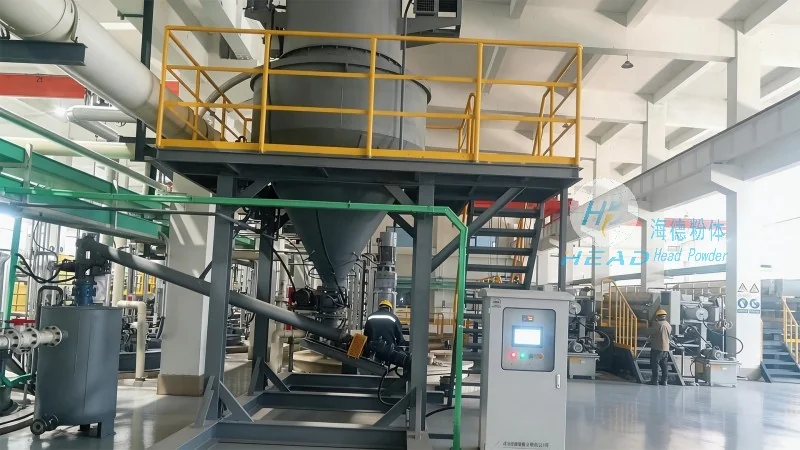
Applications and Benefits
The stone powder granular material pneumatic conveying machine is widely used in various industries, including mining, construction, and chemical processing. Its applications range from transporting raw materials to processing facilities to delivering finished products to storage areas. The benefits of using this system include:
1. Efficient Material Transport: The system provides a continuous and reliable method of transporting stone powder and granular materials, reducing downtime and increasing production efficiency.
2. Minimal Maintenance: Compared to mechanical conveyors, pneumatic systems have fewer moving parts, leading to lower maintenance costs and longer operational life.
3. Flexible Routing: The pipeline can be easily reconfigured or extended to accommodate changes in production layout or facility expansion, providing flexibility in material handling.
4. Improved Safety and Hygiene: By containing the material within a sealed system, the machine reduces dust exposure and improves workplace safety. It also helps maintain a clean and hygienic environment, which is particularly important in food processing or pharmaceutical industries.
Conclusion
A stone powder granular material pneumatic conveying machine is a sophisticated and efficient solution for transporting dry, free-flowing materials. Its design, based on principles of air pressure, material flow, and component durability, ensures reliable operation and minimal maintenance. For industries that rely on stone powder and granular materials, this system offers a cost-effective and environmentally friendly method of material handling. By understanding the key components and design principles, businesses can select and implement the most suitable pneumatic conveying system to meet their operational needs and enhance overall productivity.