HeadPowder, a leading engineering company based in Shandong, China, specializes in the design and implementation of advanced pneumatic conveying systems for industrial applications. This article provides a technical analysis of coal ash particle pneumatic conveying systems, focusing on the comparison between positive pressure and negative pressure conveying modes. The goal is to help industrial operators and engineers understand the technical differences, operational advantages, and practical considerations when selecting the appropriate conveying mode for coal ash handling processes.
Introduction to Pneumatic Conveying Systems for Coal Ash
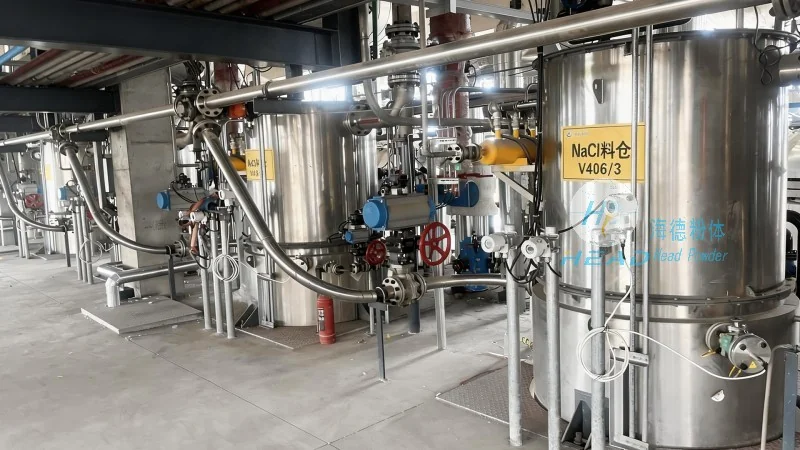
Pneumatic conveying systems are widely used in the handling of bulk materials, including coal ash, due to their ability to transport materials over long distances without the need for mechanical components like belts or buckets. These systems utilize air or gas as the conveying medium to move particles through a pipeline. The primary challenge in coal ash handling is the material's fine particle size, high moisture content, and potential for dust generation, which makes the selection of an appropriate conveying mode critical for efficiency and system reliability.
Positive Pressure Conveying Mode: Advantages and Technical Features
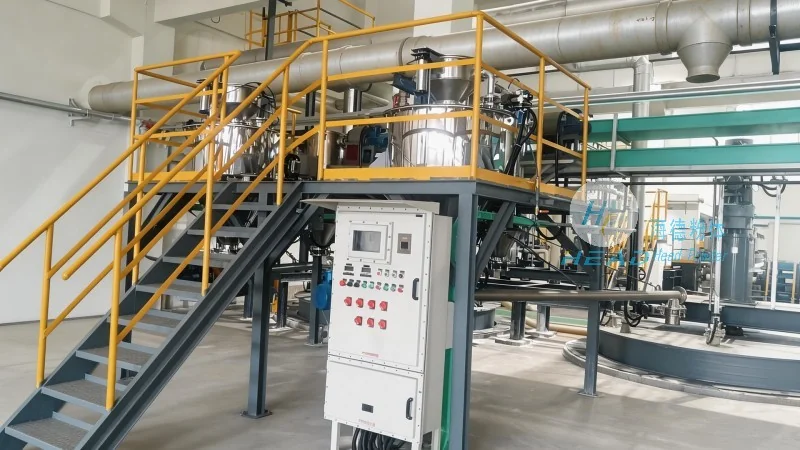
Positive pressure conveying systems operate by blowing air or gas into the material stream, creating a pressure higher than the ambient air pressure. This mode is particularly effective for transporting coal ash particles over long distances and through complex piping networks. The key technical features of positive pressure systems include:
- High conveying capacity and ability to handle large volumes of coal ash particles.
- Efficient transport of fine particles and high moisture content materials.
- Reduced risk of material degradation due to the controlled pressure environment.
- Compatibility with long-distance and multi-point discharge applications.
From a practical standpoint, positive pressure systems are often preferred in industrial settings where the conveying distance exceeds 100 meters or when multiple discharge points are required. The system's design typically involves a high-pressure blower, a material feed hopper, and a series of pipelines with appropriate valves and controls to manage the flow and pressure. The pressure differential ensures that the coal ash particles are propelled through the pipeline, maintaining a consistent flow rate and preventing blockages.
Negative Pressure Conveying Mode: Advantages and Technical Considerations
Negative pressure conveying systems, also known as suction or vacuum systems, operate by creating a vacuum in the pipeline, drawing the coal ash particles into the system. This mode is suitable for shorter conveying distances and applications where the material needs to be collected from multiple sources. The technical features of negative pressure systems include:
- Lower initial investment and simpler system design compared to positive pressure systems.
- Effective for handling fine particles and preventing dust emissions at the source.
- Reduced noise and vibration levels due to the lower pressure operation.
- Suitable for applications where the conveying distance is relatively short (typically under 50 meters).
However, negative pressure systems have limitations, particularly in handling large volumes of coal ash or over long distances. The vacuum created can lead to higher energy consumption and increased risk of material clogging if the particle size is too fine or the moisture content is high. The system design typically includes a vacuum pump, a material collection hopper, and a pipeline with appropriate filters and controls to manage the airflow and particle flow.
Comparison of Positive and Negative Pressure Conveying Modes for Coal Ash
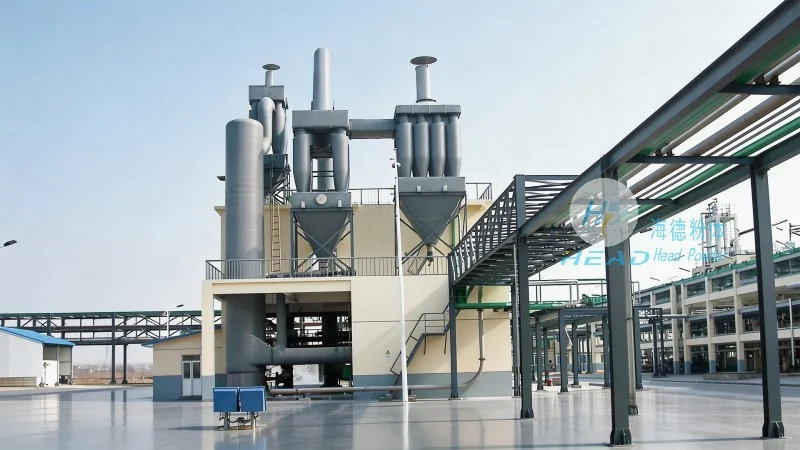
When selecting between positive and negative pressure conveying modes for coal ash handling, several factors must be considered. The primary considerations include the conveying distance, material characteristics (particle size, moisture content, density), system complexity, and operational costs. A detailed comparison of the two modes is as follows:
| Feature |
Positive Pressure |
Negative Pressure |
| Conveying Distance |
Long distances (up to several hundred meters) |
Short distances (up to 50 meters) |
| Material Handling |
Large volumes, fine particles, high moisture |
Fine particles, low volume |
| System Complexity |
Higher (requires high-pressure blower, robust piping) |
Lower (simpler vacuum pump, less complex controls) |
| Energy Consumption |
Higher (due to high-pressure operation) |
Lower (vacuum operation is energy-efficient for short distances) |
| Initial Cost |
Higher (expensive high-pressure equipment) |
Lower (simpler components) |
| Application Suitability |
Long-distance, multi-point discharge |
Short-distance, single-point collection |
Based on the comparison, positive pressure systems are generally more suitable for large-scale coal ash handling operations with long conveying distances and multiple discharge points. Negative pressure systems are better suited for smaller-scale applications or where the conveying distance is limited and the material volume is lower. The choice of system also depends on the specific operational requirements and the budget constraints of the industrial facility.
Technical Considerations for Coal Ash Pneumatic Conveying Systems
Regardless of the conveying mode chosen, several technical considerations are crucial for the efficient and reliable operation of coal ash pneumatic conveying systems. These include:
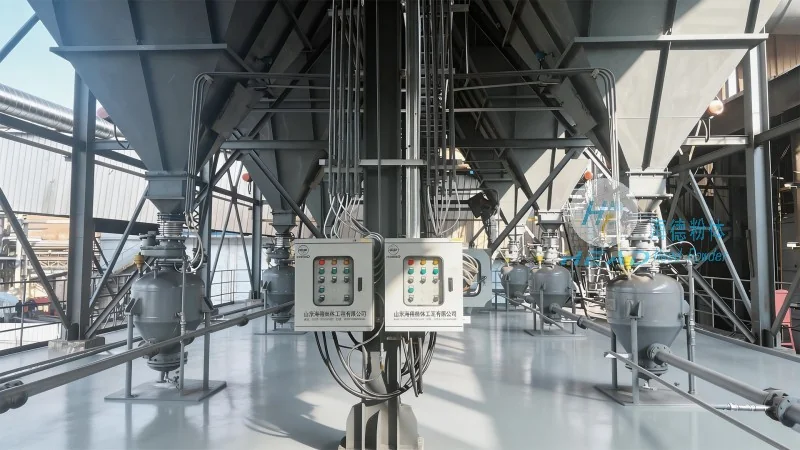
- Material feed and feeding mechanisms: Proper feeding of coal ash particles into the system is essential to prevent blockages and ensure consistent flow. The feed hopper design should accommodate the material's bulk density and flow characteristics.
- Pipeline design and materials: The pipeline must be sized appropriately to handle the particle size and flow rate. Materials such as stainless steel or special coatings are often used to prevent corrosion and material buildup.
- Air or gas flow management: The flow rate of the conveying medium must be optimized to maintain a stable particle suspension and prevent particle deposition or clogging.
- Filter and dust control: Coal ash is a fine particulate material, and effective filtration is necessary to prevent dust emissions and maintain system cleanliness. The filter design should be capable of handling high dust loads and easy maintenance.
- Control systems and automation: Modern pneumatic conveying systems are equipped with advanced control systems to monitor and adjust the conveying parameters in real-time. Automation helps in optimizing the system performance and reducing operational costs.
Conclusion: Selecting the Right Conveying Mode for Coal Ash Handling
Coal ash, a byproduct of coal combustion, poses unique challenges in material handling due to its fine particle size and moisture content. The choice between positive pressure and negative pressure pneumatic conveying modes significantly impacts the efficiency, reliability, and cost-effectiveness of the handling process. Positive pressure systems offer higher conveying capacity and suitability for long distances, while negative pressure systems provide lower initial costs and simpler designs for shorter distances. Industrial operators should conduct a thorough analysis of their specific operational requirements, including conveying distance, material characteristics, and budget constraints, to select the most appropriate conveying mode.
HeadPowder, with its expertise in engineering and design, provides customized solutions for coal ash pneumatic conveying systems. By understanding the technical nuances of both positive and negative pressure modes, companies can optimize their coal ash handling processes, reduce operational costs, and ensure compliance with environmental regulations. The right choice of conveying mode, combined with proper system design and maintenance, is key to achieving efficient and sustainable coal ash management in industrial applications.




