When it comes to pneumatic conveying of PVC resin, selecting the right system is crucial for efficiency, cost-effectiveness, and operational safety. Two primary methods are commonly used: positive pressure conveying and negative pressure conveying. Understanding the differences between these two approaches is essential for making an informed decision that aligns with your specific production needs. This article will explore the key distinctions between positive and negative pressure systems, helping you determine which option is best suited for your PVC resin handling requirements.
Understanding Pneumatic Conveying Systems
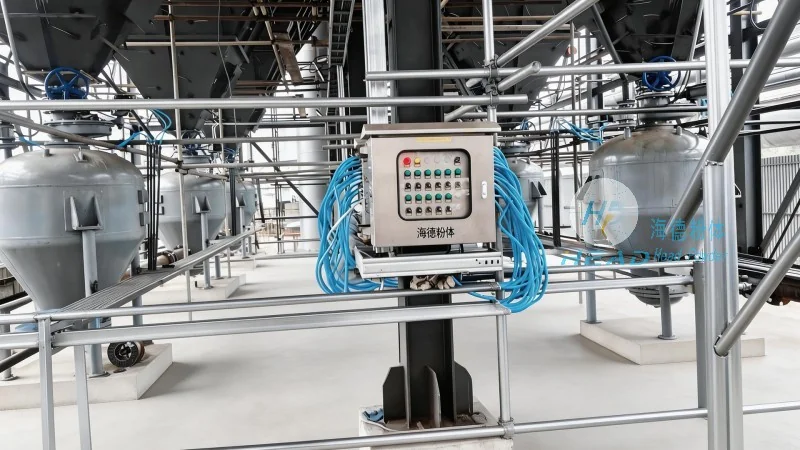
Pneumatic conveying is a method of transporting bulk materials, such as PVC resin, through a pipeline using air or gas. It offers advantages over traditional mechanical conveying, including reduced maintenance, lower labor costs, and the ability to handle materials in a closed system, minimizing dust and contamination. The two main types of pneumatic conveying systems are positive pressure and negative pressure, each with its own set of characteristics and applications.
Positive Pressure Pneumatic Conveying
Positive pressure conveying operates by blowing air or gas into the conveying line, creating a pressure higher than the ambient air pressure. The material is then drawn into the pipeline by the pressure differential. This method is often preferred for applications requiring high material flow rates and long-distance transport. The system typically uses a blower or compressor to generate the pressure, and the material is transported in a dense phase, which reduces the risk of material degradation and improves overall efficiency.
For PVC resin, positive pressure systems are particularly effective when dealing with large quantities of material or when the material needs to be conveyed over significant distances. The high pressure ensures that the resin is moved consistently and reliably, minimizing the risk of blockages or system failures. Additionally, positive pressure systems are generally more suitable for abrasive materials like PVC resin, as the dense phase transport helps to protect the pipeline and equipment from wear and tear.
Negative Pressure Pneumatic Conveying
Negative pressure conveying, also known as suction conveying, works by creating a vacuum in the conveying line, which draws the material into the pipeline. The system uses a vacuum pump to reduce the pressure inside the line, creating a pressure differential that pulls the material from the source to the destination. This method is often used for shorter distances and lower material flow rates, and it is particularly effective for handling materials that are sensitive to pressure or that need to be transported in a low-energy environment.
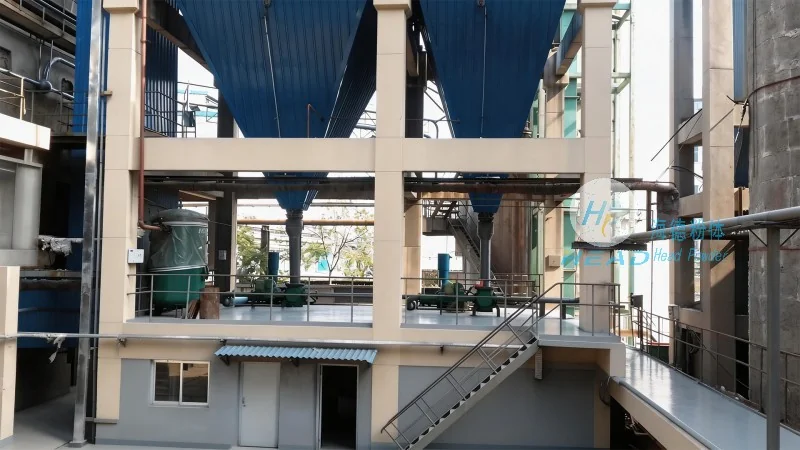
When it comes to PVC resin, negative pressure systems are commonly used for applications where the material needs to be conveyed from a hopper or silo to a processing unit, such as a mixer or extruder. The low pressure in the system helps to minimize the risk of material degradation and ensures that the resin remains in its original state. Additionally, negative pressure systems are often more cost-effective for short-distance transport, as they require less energy and equipment compared to positive pressure systems.
Distinguishing Between Positive and Negative Pressure Systems
Differentiating between positive and negative pressure pneumatic conveying systems involves considering several key factors, including the material characteristics, transport distance, and operational requirements. Here are some practical ways to determine which system is best for your PVC resin handling needs:
1. **Material Flow Rate and Distance**: Positive pressure systems are generally more suitable for high flow rates and long-distance transport, as they can maintain consistent pressure and material flow. Negative pressure systems are better for shorter distances and lower flow rates, as they rely on vacuum to draw the material.
2. **Material Properties**: The physical and chemical properties of PVC resin, such as its density, abrasiveness, and sensitivity to pressure, play a significant role in system selection. Positive pressure systems are ideal for abrasive materials like PVC resin, as the dense phase transport reduces wear and tear. Negative pressure systems are better for materials that are sensitive to pressure or that need to be handled in a low-energy environment.
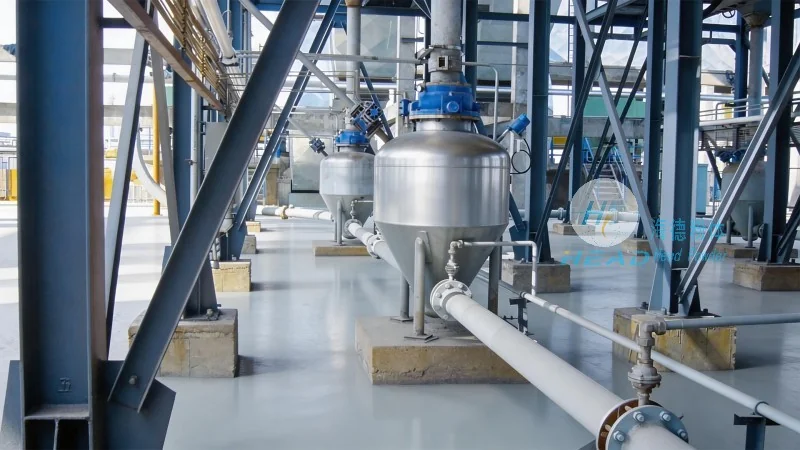
3. **System Complexity and Maintenance**: Positive pressure systems typically require more complex equipment, such as blowers and compressors, and may have higher maintenance costs. Negative pressure systems are generally simpler and require less maintenance, making them more cost-effective for smaller operations.
4. **Environmental Considerations**: Both systems can be designed to minimize dust and contamination, but positive pressure systems may require additional filtration to prevent material from escaping. Negative pressure systems, on the other hand, are often more effective at containing dust within the system, reducing the risk of environmental impact.
Choosing the Right System for Your PVC Resin Handling
When deciding between positive and negative pressure pneumatic conveying for PVC resin, it is essential to evaluate your specific requirements carefully. Consider factors such as the volume of material to be transported, the distance between the source and destination, the properties of the PVC resin, and your budget for equipment and maintenance. By understanding the differences between these two systems, you can select the most efficient and cost-effective solution for your needs.
Shandong HeadPowder Engineering Co., Ltd., a leading provider of pneumatic conveying solutions, offers a range of systems tailored to the unique needs of PVC resin handling. With years of experience in the industry, HeadPowder provides expert guidance and customized solutions to ensure optimal performance and reliability. Whether you choose a positive or negative pressure system, HeadPowder's expertise ensures that your PVC resin is transported safely and efficiently, meeting the highest standards of quality and performance.




