Pneumatic conveying is a critical technology in material handling, especially for handling abrasive and heavy materials like iron sand. When selecting a pneumatic conveying system for iron sand, two primary methods are commonly considered: positive pressure and negative pressure systems. Understanding the differences between these two approaches is essential for optimizing material transport efficiency, minimizing equipment wear, and ensuring operational safety. This article will explore the key characteristics of positive and negative pressure pneumatic conveying for iron sand, helping you make an informed decision based on your specific application requirements.
Understanding Positive Pressure Pneumatic Conveying
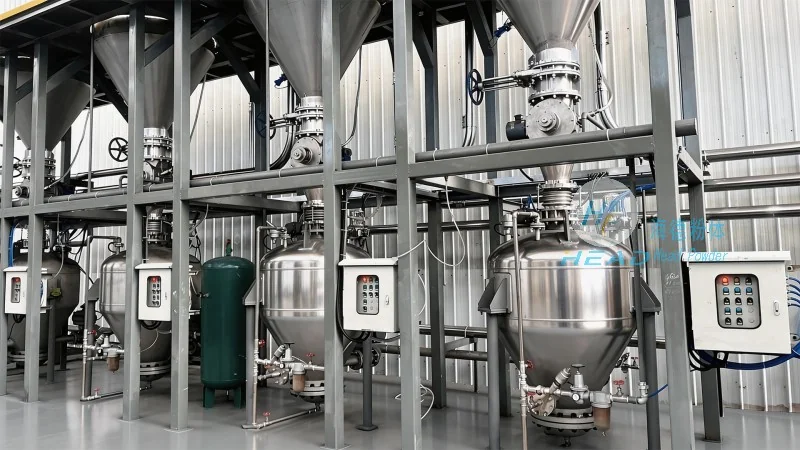
Positive pressure pneumatic conveying systems operate by blowing air or a gas mixture into the conveying line, creating a pressure higher than the ambient air pressure. This method is often referred to as "blow-through" or "pressure-fed" conveying. In a positive pressure system, the material is drawn into the conveying line by the high-pressure air stream, which then transports the material to the destination point. The system typically includes a blower or compressor at the inlet, a hopper or feeder to introduce the material, and a discharge point at the end of the line.
For iron sand applications, positive pressure systems are particularly effective when dealing with long conveying distances or when the material needs to be transported through complex piping networks. The high pressure ensures that the material is consistently moved through the system, reducing the risk of blockages or material degradation. Additionally, positive pressure systems are generally more suitable for abrasive materials like iron sand because the high-pressure air helps to maintain the integrity of the conveying line and minimize wear on components.
Key Advantages of Positive Pressure Conveying for Iron Sand
One of the primary advantages of positive pressure pneumatic conveying for iron sand is its ability to handle long distances and complex layouts. The high-pressure air can effectively transport material over several hundred meters, making it ideal for industrial facilities where the iron sand source and processing equipment are located far apart. Another advantage is the reduced risk of material degradation. Since the material is not exposed to the ambient air as much as in negative pressure systems, there is less chance of oxidation or moisture absorption, which can affect the quality of the iron sand.
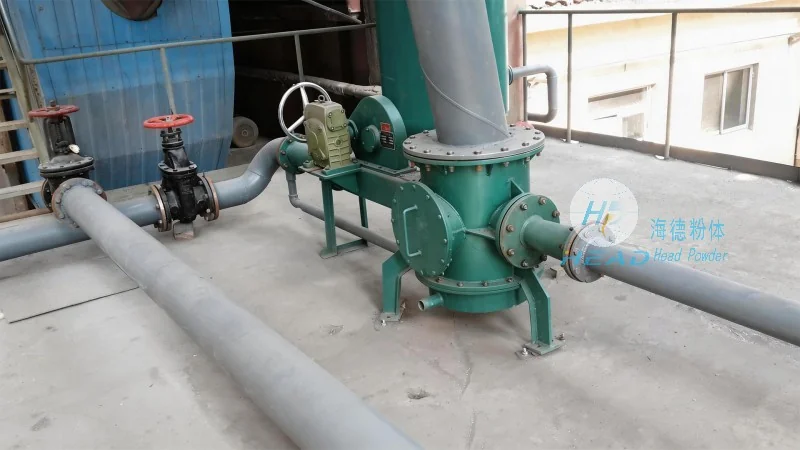
Furthermore, positive pressure systems are generally more reliable and easier to maintain. The high-pressure air flow helps to keep the conveying line clean and free from blockages, reducing the need for frequent cleaning or maintenance. This can lead to lower operational costs and increased productivity in iron sand processing facilities.
Understanding Negative Pressure Pneumatic Conveying
Negative pressure pneumatic conveying, also known as "suction" or "vacuum" conveying, operates by creating a vacuum in the conveying line, which draws the material into the system. The material is then transported by the air flow from the inlet to the discharge point. In a negative pressure system, the air is drawn from the conveying line using a vacuum pump or fan, and the material is pulled into the line as the air flows backward.
For iron sand applications, negative pressure systems are often used when the material needs to be collected from multiple points or when the conveying distance is relatively short. The vacuum created in the system helps to capture the iron sand from a hopper or storage bin and transport it to the processing equipment. Negative pressure systems are also more suitable for applications where the material is sensitive to high-pressure air, as the lower pressure environment reduces the risk of material degradation.
Key Advantages of Negative Pressure Conveying for Iron Sand
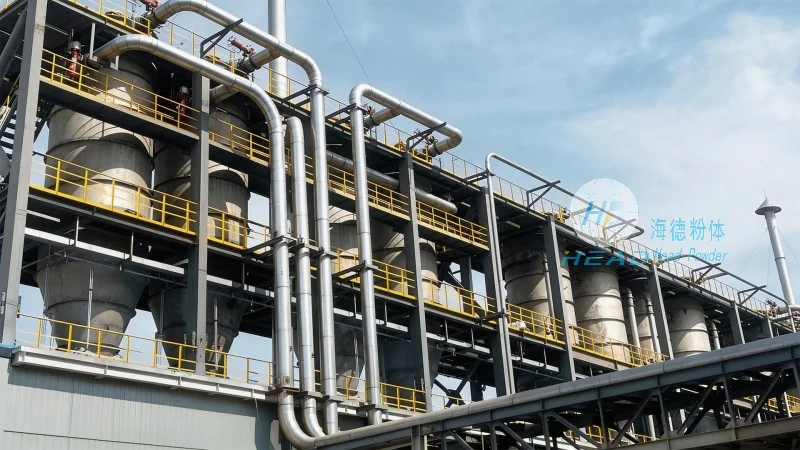
One of the main advantages of negative pressure pneumatic conveying for iron sand is its ability to handle multiple collection points. The vacuum system can draw material from several hoppers or bins simultaneously, making it ideal for facilities with multiple iron sand sources. Another advantage is the lower initial cost compared to positive pressure systems. Negative pressure systems typically require less powerful equipment, such as vacuum pumps, which can reduce the upfront investment for iron sand processing operations.
Furthermore, negative pressure systems are generally quieter and less disruptive to the surrounding environment. The lower air flow rates and reduced noise levels make them more suitable for applications where noise control is a concern. This can be particularly important in industrial settings where the iron sand processing facility is located near residential or commercial areas.
Distinguishing Between Positive and Negative Pressure Systems for Iron Sand
When deciding between positive and negative pressure pneumatic conveying for iron sand, several factors should be considered. The most critical factor is the conveying distance and layout. Positive pressure systems are generally preferred for long distances or complex piping networks, while negative pressure systems are better suited for short distances or multiple collection points.
Another important factor is the material characteristics. Iron sand is an abrasive and heavy material, which means that positive pressure systems are often more effective in minimizing equipment wear and maintaining material integrity. However, if the iron sand is sensitive to high-pressure air or if the application requires multiple collection points, a negative pressure system may be more appropriate.
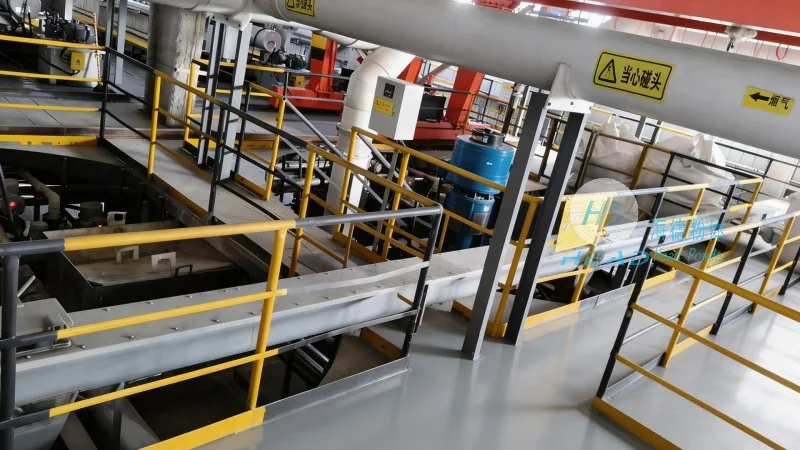
Operational costs and maintenance requirements also play a significant role in the decision-making process. Positive pressure systems may have higher energy consumption due to the high-pressure air flow, but they often require less maintenance due to the reduced risk of blockages. Negative pressure systems, on the other hand, may have lower energy costs but may require more frequent cleaning and maintenance to prevent material buildup in the vacuum line.
Conclusion: Choosing the Right Pneumatic Conveying System for Iron Sand
Choosing between positive and negative pressure pneumatic conveying for iron sand requires a careful evaluation of the specific application requirements. Positive pressure systems are generally more suitable for long distances, complex layouts, and abrasive materials like iron sand, offering higher efficiency and reduced material degradation. Negative pressure systems, while more cost-effective and suitable for short distances or multiple collection points, may not be as effective in handling abrasive materials or long conveying distances.
By understanding the key differences between these two systems and considering factors such as conveying distance, material characteristics, and operational costs, you can select the most appropriate pneumatic conveying system for your iron sand processing needs. Whether you choose a positive pressure or negative pressure system, the goal is to optimize material transport efficiency, minimize equipment wear, and ensure safe and reliable operation.




