

What is a Graphene Material Pneumatic Conveying System? What are its Design Principles?
Graphene, a two-dimensional material with exceptional mechanical, electrical, and thermal properties, is increasingly used in various industrial applications. The efficient handling of graphene powders and other fine materials is crucial for maintaining product quality and operational efficiency. A pneumatic conveying system is a key technology for transporting such materials, and when specifically designed for graphene, it offers unique advantages in terms of material integrity and system performance. This article explores the concept of a graphene material pneumatic conveying system, detailing its design principles and the factors that influence its effectiveness. The system is engineered by Shandong HeadPowder Engineering Co., Ltd., a leading provider of specialized material handling solutions, with operations based in Shandong, China.
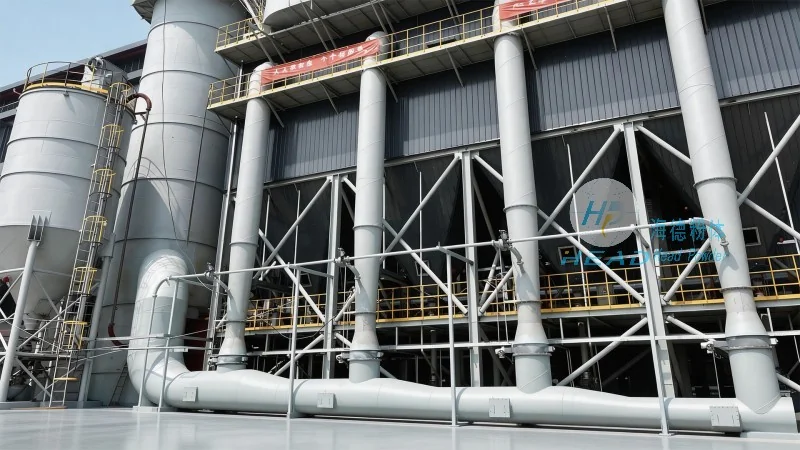
Key Components of a Graphene Material Pneumatic Conveying System
The core components of a pneumatic conveying system for graphene materials typically include a material hopper, a feeding device, a conveying line (often with multiple sections), a dust collection system, and a discharge outlet. The material hopper is designed to store the graphene powder, ensuring a consistent feed to the system. The feeding device, such as a rotary valve or a screw feeder, controls the flow rate of the material into the conveying line. The conveying line, which may consist of straight sections, bends, and expansion joints, is crucial for maintaining the material's flow and preventing blockages. The dust collection system is essential for capturing any airborne particles, ensuring environmental compliance and product purity. The discharge outlet is where the material is released into the next processing stage. Each component must be carefully selected and integrated to ensure the system operates efficiently and safely.
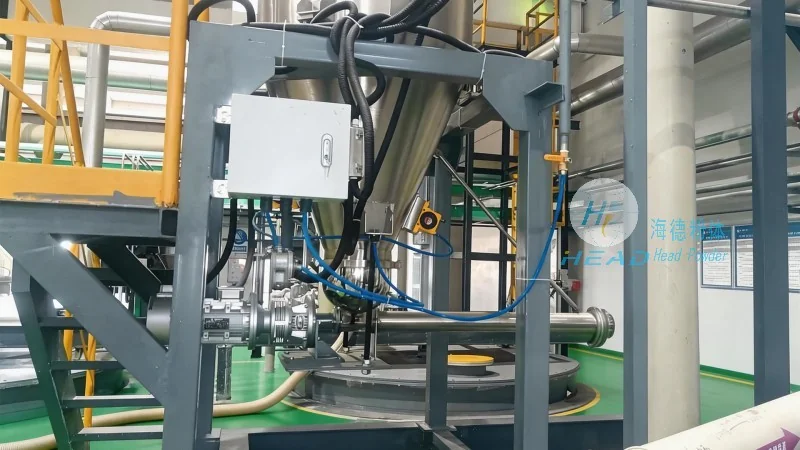
Design Principles for Optimal Performance
The design of a graphene material pneumatic conveying system follows several key principles to ensure high performance and reliability. First, the system must minimize material degradation, as graphene's properties are sensitive to mechanical stress and friction. This is achieved by using smooth, low-friction surfaces in the conveying line and selecting appropriate materials for the components. Second, the system must maintain a consistent flow rate to prevent surges or blockages, which can damage the equipment or compromise product quality. This is often achieved through the use of variable speed drives and feedback control systems. Third, the system must be designed to handle the specific properties of graphene, such as its high surface area and potential for agglomeration. This may involve the use of air classifiers or agglomerate breakers to maintain particle size and prevent clogging. Fourth, the system must comply with safety and environmental regulations, including proper dust collection and explosion-proof design. By adhering to these design principles, a graphene material pneumatic conveying system can operate efficiently, maintain product quality, and ensure operator safety.
Factors Influencing System Selection and Operation
Several factors influence the selection and operation of a graphene material pneumatic conveying system. The first is the material's properties, including its particle size, density, and flowability. Graphene powders are typically fine and can be prone to agglomeration, which affects the system's performance. The second is the required conveying distance and throughput. Longer distances or higher throughput may require more powerful blowers and larger conveying lines. The third is the operating environment, including temperature and humidity, which can affect the material's properties and the system's components. The fourth is the available space and budget, which may limit the system's size and complexity. By considering these factors, manufacturers can select the most appropriate system for their specific needs and ensure optimal performance.
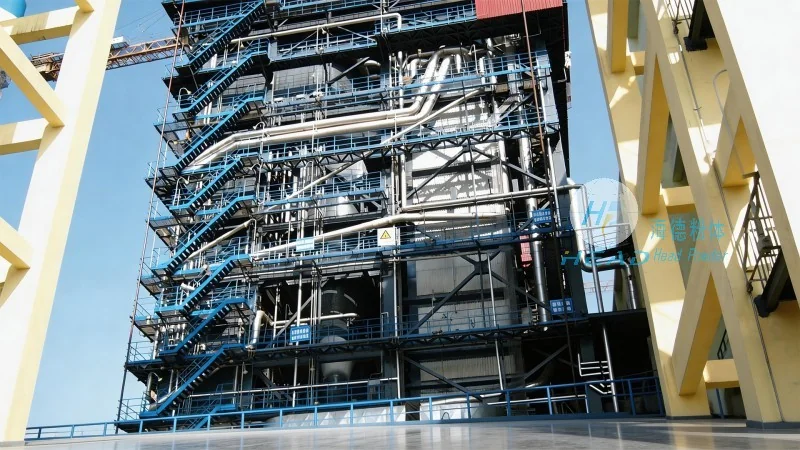
Applications and Benefits of Graphene Material Pneumatic Conveying Systems
Graphene material pneumatic conveying systems are used in a variety of applications, including the production of graphene-based composites, coatings, and electronics. The benefits of using such a system include improved material handling efficiency, reduced product contamination, and enhanced safety. The system's ability to maintain the material's integrity is particularly important in applications where the graphene's properties are critical, such as in high-performance electronics or advanced composites. Additionally, the system's ability to handle fine powders without clogging or degradation makes it an ideal choice for industries where product quality is paramount. By using a properly designed graphene material pneumatic conveying system, manufacturers can improve their production processes, reduce costs, and enhance their product quality.