

What is a Zircon Sand Material Pneumatic Conveying System? What Are Its Design Principles?
Zircon sand, a critical raw material in the manufacturing of ceramics, glass, and refractory products, requires efficient and reliable handling methods to ensure quality and productivity. Among the various technologies available for material transport, the pneumatic conveying system stands out as a versatile solution for zircon sand applications. This article explores the concept of a zircon sand material pneumatic conveying system, detailing its design principles and the technical considerations that underpin its successful implementation.
Understanding Zircon Sand and Its Handling Challenges
Zircon sand, composed primarily of zirconium silicate (ZrSiO₄), is valued for its high refractoriness, chemical stability, and wear resistance. Its granular nature and abrasive properties present unique challenges when it comes to material handling. Traditional methods like belt conveyors or bucket elevators may suffer from material degradation, high maintenance costs, and inefficiencies in handling fine or dusty powders. Pneumatic conveying systems offer a solution by utilizing air as the conveying medium, enabling the transport of zircon sand in a closed, controlled environment that minimizes contamination and product loss.
Core Components of a Zircon Sand Pneumatic Conveying System
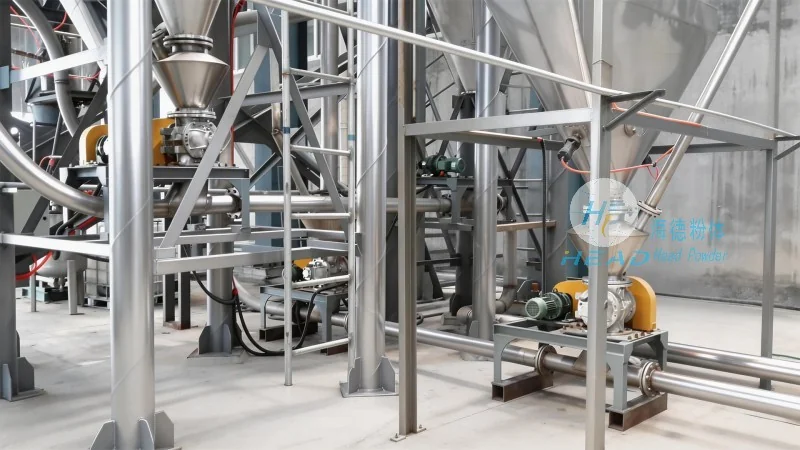
A pneumatic conveying system for zircon sand typically consists of several key components that work in concert to achieve efficient material transport. The primary elements include a air compressor or blower to generate the necessary air pressure, a feed hopper to store and meter the zircon sand, a conveying line (usually made of stainless steel or other corrosion-resistant materials to withstand the abrasive nature of the sand), and a separator or cyclone to separate the sand from the air stream at the discharge point. Additionally, a filter system is often integrated to capture any fine particles and ensure clean air discharge, while a vacuum or pressure control unit regulates the system's operating pressure to maintain optimal conveying performance.
Design Principles for Optimal Performance
The design of a zircon sand pneumatic conveying system is governed by several critical principles aimed at maximizing efficiency, minimizing energy consumption, and ensuring long-term reliability. One of the fundamental design considerations is the air-to-material ratio, which determines the velocity of the air stream and the capacity of the system. An optimal ratio balances the need for sufficient air velocity to prevent material settling in the pipeline with energy efficiency. The system's pipeline layout is also crucial; it should be designed to minimize bends, changes in direction, and vertical lifts, as these can cause pressure drops and increase wear on components. The use of smooth, corrosion-resistant materials for the pipeline, such as stainless steel or PTFE-lined pipes, is essential to prevent abrasion and maintain system integrity over time.
Key Design Considerations for Zircon Sand Applications
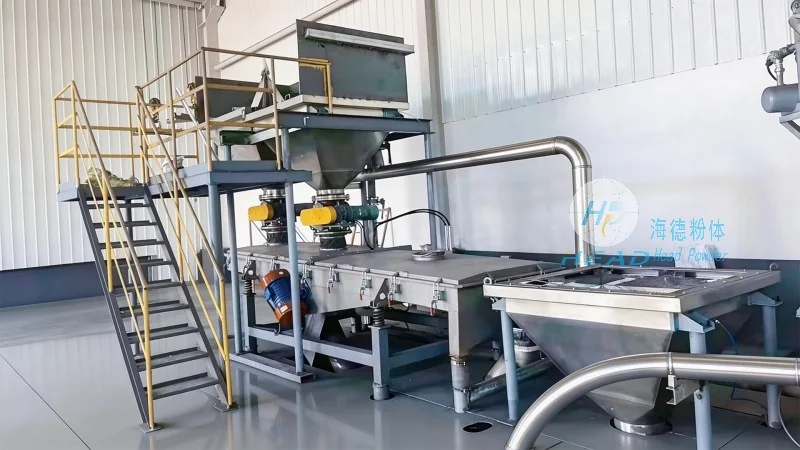
When designing a pneumatic conveying system for zircon sand, engineers must account for the material's specific properties, such as its particle size distribution, density, and flowability. The particle size is particularly important, as finer particles require higher air velocities to prevent clogging or deposition in the pipeline. The system's feed mechanism must be capable of handling the zircon sand's bulk density and flow characteristics, often incorporating vibratory feeders or screw conveyors to ensure consistent material feed. Moreover, the separator design must be tailored to the zircon sand's particle size and density to achieve high separation efficiency, preventing the loss of valuable material and reducing the load on downstream filtration systems.
Energy Efficiency and System Optimization
Energy consumption is a significant factor in the operation of pneumatic conveying systems, and modern designs incorporate several strategies to enhance efficiency. Variable frequency drives (VFDs) are commonly used to adjust the air compressor's speed based on the system's demand, reducing energy waste during low-load periods. The selection of an appropriate air compressor type—whether positive displacement or centrifugal—also impacts energy efficiency, with some designs offering better performance at specific pressure ranges. Additionally, the use of air filtration and recycling systems can reduce the amount of air required for conveying by reusing a portion of the filtered air, further lowering operational costs.
Reliability and Maintenance in Zircon Sand Conveying
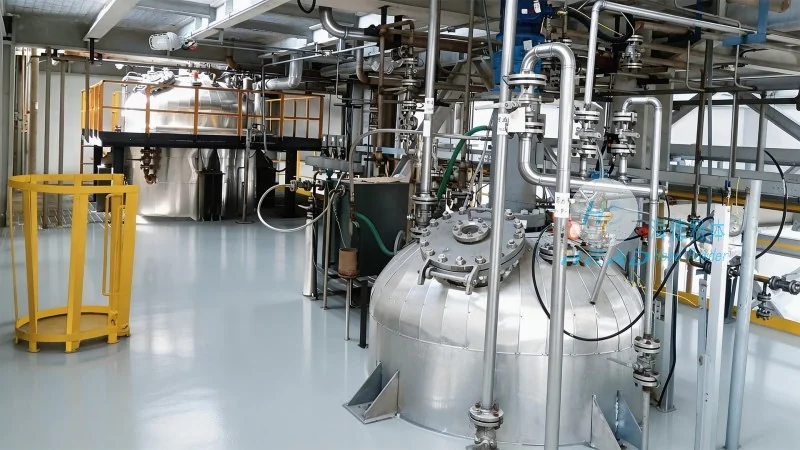
Reliability is paramount in industrial applications, and a well-designed pneumatic conveying system for zircon sand must be built to withstand the abrasive nature of the material and the demands of continuous operation. Regular maintenance is essential to ensure the system's longevity and performance. Key maintenance tasks include inspecting and replacing worn components, such as pipeline elbows, seals, and filter elements, and monitoring system pressure and flow rates to detect potential issues early. The use of corrosion-resistant materials and robust construction helps minimize downtime and maintenance costs, making the system a cost-effective solution for zircon sand handling.
About Shandong HeadPowder Engineering Co., Ltd.
Shandong HeadPowder Engineering Co., Ltd., operating under the brand name HeadPowder, is a leading provider of specialized material handling solutions, including pneumatic conveying systems for zircon sand and other industrial powders. With a strong focus on engineering excellence and customer-centric design, HeadPowder leverages decades of experience in the field to deliver systems that meet the unique requirements of each application. The company's team of skilled engineers and technicians work closely with clients to understand their specific needs, from initial system design and installation to ongoing support and maintenance. HeadPowder's commitment to quality and innovation ensures that its pneumatic conveying systems are not only efficient and reliable but also tailored to the highest standards of industrial performance.
Conclusion: The Role of Pneumatic Conveying in Zircon Sand Processing
In conclusion, a zircon sand material pneumatic conveying system is a sophisticated and effective solution for handling this critical raw material. By adhering to sound design principles, incorporating appropriate components, and optimizing for efficiency and reliability, such systems can significantly enhance productivity and product quality in the ceramics, glass, and refractory industries. As a trusted partner in material handling, Shandong HeadPowder Engineering Co., Ltd. continues to advance the technology and provide tailored solutions that meet the evolving needs of its clients, ensuring that zircon sand processing remains efficient, safe, and sustainable.