

What is a Phosphorus Pentachloride Powder Pneumatic Conveying System? And What Are Its Design Princi
Phosphorus pentachloride (PCl₅) is a highly reactive and corrosive chemical compound widely used in various industrial applications, including chemical synthesis and manufacturing processes. The safe and efficient handling of PCl₅ powder is crucial due to its hazardous nature. A Pneumatic Conveying System, specifically designed for PCl₅ powder, plays a vital role in transporting this material from one location to another within industrial facilities. This article explores the concept of a PCl₅ powder pneumatic conveying system and delves into its design principles to ensure safe and effective operation.
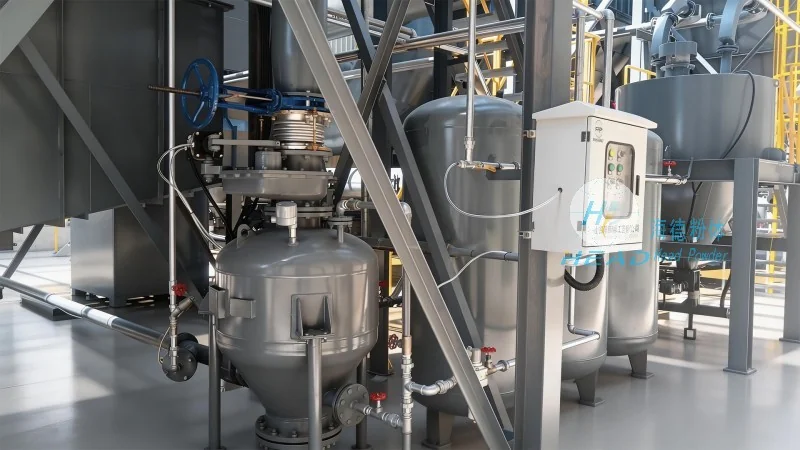
Understanding PCl₅ Powder Pneumatic Conveying Systems
A PCl₅ powder pneumatic conveying system is a specialized equipment setup that uses compressed air or other gas to transport PCl₅ powder through a pipeline network. This method offers several advantages over traditional mechanical conveying systems, such as reduced risk of dust explosion, lower maintenance requirements, and improved material handling efficiency. The system typically consists of several key components, including a feeder, a conveying line, a receiver, and a dust collection system. The feeder is responsible for feeding the PCl₅ powder into the conveying line at a controlled rate, while the conveying line transports the material to the receiver. The receiver then collects the PCl₅ powder, and the dust collection system ensures that any airborne particles are captured and removed from the system.
Key Design Principles for PCl₅ Powder Pneumatic Conveying Systems
The design of a PCl₅ powder pneumatic conveying system must adhere to several critical principles to ensure safety, efficiency, and reliability. First, the system must be constructed from materials that are compatible with PCl₅, as the chemical can be highly corrosive to certain metals and polymers. Common materials used in the construction of PCl₅ conveying systems include stainless steel, PTFE-coated components, and specialized alloys that resist chemical attack. Second, the system must be designed to minimize the risk of dust accumulation and explosion. This is achieved through proper ventilation, explosion-proof design, and the use of non-combustible materials. Third, the system must be equipped with appropriate safety features, such as pressure relief valves, emergency shut-off valves, and monitoring systems to detect any abnormal conditions. Fourth, the system must be designed to handle the specific physical properties of PCl₅ powder, including its particle size, density, and flow characteristics. This involves selecting the appropriate conveying velocity, pipe diameter, and feeder type to ensure smooth and continuous material transport.
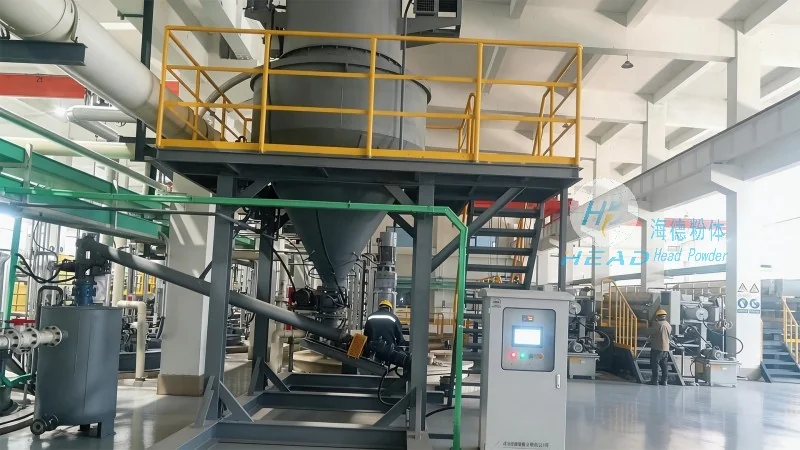
Components and Their Functions in PCl₅ Powder Pneumatic Conveying Systems
Each component of a PCl₅ powder pneumatic conveying system serves a specific function to ensure the safe and efficient transport of the material. The feeder is a critical component that controls the flow rate of PCl₅ powder into the conveying line. It can be a rotary valve, a screw feeder, or a vibratory feeder, depending on the system requirements. The feeder must be designed to handle the abrasive and corrosive nature of PCl₅ powder and to prevent any material buildup or blockages. The conveying line is typically made of stainless steel or PTFE-coated pipes and is designed to withstand the pressure and temperature of the conveying process. The line diameter and length are carefully selected to ensure that the conveying velocity is sufficient to prevent material settling and to minimize pressure drop. The receiver is a storage vessel that collects the PCl₅ powder from the conveying line. It is usually equipped with a dust collection system to prevent any airborne particles from escaping. The receiver must be designed to handle the pressure and temperature of the conveying process and to prevent any material leakage or contamination. The dust collection system, often a baghouse or a cartridge filter, captures any airborne particles and returns them to the receiver, ensuring that the material is fully contained and handled safely.
Operational Considerations for PCl₅ Powder Pneumatic Conveying Systems
The operation of a PCl₅ powder pneumatic conveying system requires careful attention to several factors to ensure optimal performance and safety. First, the system must be properly maintained and inspected regularly to identify any potential issues before they become major problems. This includes checking for leaks, wear and tear, and material buildup in the components. Second, the system must be operated within the recommended parameters, such as the conveying velocity and pressure, to prevent damage to the equipment or the material. Third, the system must be equipped with appropriate safety measures, such as personal protective equipment (PPE) for operators and emergency shutdown procedures in case of an accident. Fourth, the system must be designed to handle any variations in the PCl₅ powder properties, such as changes in particle size or moisture content, to ensure consistent and reliable operation.
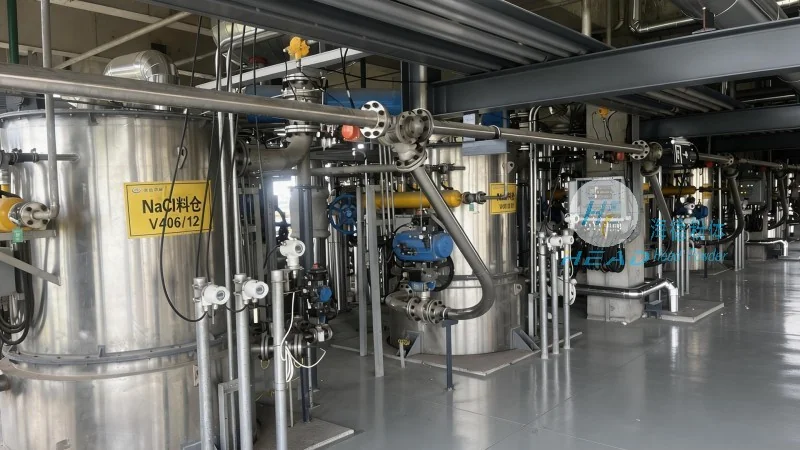
Applications of PCl₅ Powder Pneumatic Conveying Systems
PCl₅ powder pneumatic conveying systems are widely used in various industrial applications where PCl₅ is a key raw material. Some common applications include the production of organophosphorus compounds, flame retardants, and other chemical products. The system is also used in the handling of PCl₅ in research and development laboratories, where precise and safe material transport is essential. In addition, the system can be used in the transportation of PCl₅ from storage facilities to processing plants, ensuring that the material is handled safely and efficiently throughout the entire supply chain.
Conclusion
A PCl₅ powder pneumatic conveying system is a critical piece of equipment for safely and efficiently handling this hazardous chemical. The design of the system must adhere to strict safety and engineering principles to ensure that it operates reliably and without risk of accidents. By understanding the components, design principles, and operational considerations of such a system, industrial facilities can ensure that PCl₅ is handled in a safe and environmentally responsible manner. The expertise of companies like Shandong HeadPowder Engineering Co., Ltd. is essential in designing and implementing these systems to meet the specific needs of industrial applications.