

Pneumatic Conveying Equipment for Sodium Carbonate: What It Is and Its Design Principles
When it comes to handling sodium carbonate, a critical industrial chemical, the choice of material handling equipment can significantly impact operational efficiency and safety. Pneumatic conveying systems have emerged as a preferred solution for transporting sodium carbonate, offering advantages such as reduced dust generation, lower maintenance costs, and enhanced process control. This article explores the concept of pneumatic conveying equipment specifically designed for sodium carbonate, delving into its design principles and practical applications, with insights from Shandong HeadPowder Engineering Co., Ltd., a leading manufacturer of specialized material handling solutions.
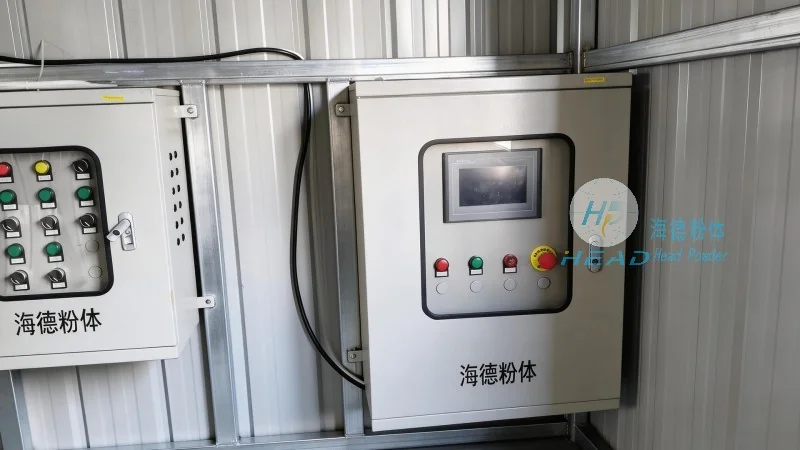
Understanding Pneumatic Conveying Systems for Sodium Carbonate
Pneumatic conveying equipment for sodium carbonate operates by using air or other gases to transport bulk materials through a pipeline system. Unlike traditional mechanical conveyors, which rely on moving parts like belts or buckets, pneumatic systems utilize pressure differentials to move the material. This method is particularly suitable for sodium carbonate due to its fine particle size and the need to minimize contamination and dust exposure during handling. The system typically consists of a material feed hopper, an air compressor, a conveying line, and a discharge hopper or receiver, all designed to work in tandem to ensure smooth material transfer.
Key Design Principles of Sodium Carbonate Pneumatic Conveying Equipment
The design of pneumatic conveying equipment for sodium carbonate must consider several critical factors to ensure optimal performance and durability. First, the system must be constructed from materials that are resistant to corrosion and chemical attack, as sodium carbonate can be abrasive and reactive. Stainless steel or specialized alloys are commonly used for the conveying lines and components to withstand the chemical environment. Second, the system's air flow rate and pressure must be precisely controlled to maintain consistent material flow and prevent blockages. This is achieved through the use of high-quality air compressors, pressure regulators, and flow meters. Third, the equipment must incorporate effective dust collection and filtration systems to comply with environmental regulations and protect personnel from inhalation hazards. The design also emphasizes energy efficiency, with optimized air usage and minimal power consumption. Shandong HeadPowder Engineering Co., Ltd. specializes in tailoring these design elements to meet the specific requirements of sodium carbonate handling applications.
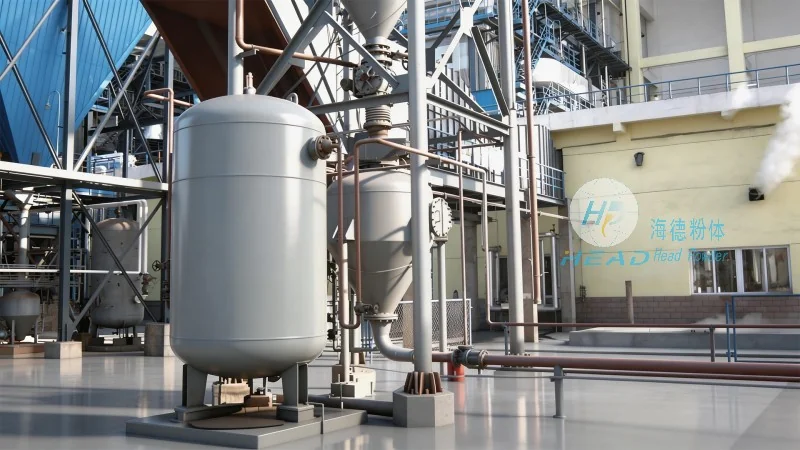
Components and Operation of the Pneumatic Conveying System
A typical pneumatic conveying system for sodium carbonate consists of several key components. The primary elements include a material feed hopper, an air compressor, a conveying line, and a discharge hopper or receiver. The process begins with the sodium carbonate being fed into the hopper, where it is then drawn into the conveying line by the air flow generated by the compressor. The air and material mixture travels through the pipeline at high velocity, ensuring that the material is transported efficiently to the destination. At the receiving end, the material is separated from the air through a cyclone or other separation device, and the air is then filtered and discharged. The system may also include additional components such as rotary valves, which control the flow of material into the conveying line, and check valves, which prevent backflow and maintain system pressure. The operation of the system is carefully managed to ensure that the sodium carbonate is conveyed without degradation or loss of quality.
Advantages of Using Pneumatic Conveying for Sodium Carbonate
Compared to other material handling methods, pneumatic conveying offers several advantages for sodium carbonate. One of the most significant benefits is the reduction in dust and airborne particles, which improves workplace safety and reduces the risk of product contamination. This is particularly important for sodium carbonate, which is often used in pharmaceutical and food industries where purity is paramount. Additionally, pneumatic systems are more flexible in terms of layout, as they can be installed in various configurations without the need for extensive structural modifications. They also provide better process control, allowing for precise dosing and flow regulation. Furthermore, the absence of moving parts in the conveying line reduces maintenance requirements and extends the equipment's service life. These advantages make pneumatic conveying an ideal choice for industries that handle sodium carbonate on a large scale.
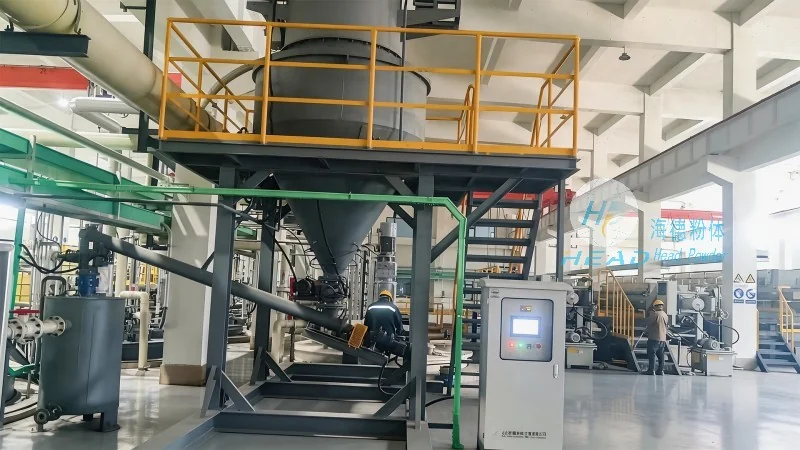
Applications and Industries Using Sodium Carbonate Pneumatic Conveying Equipment
Pneumatic conveying equipment for sodium carbonate is widely used in various industries that rely on this chemical. The primary applications include chemical manufacturing, where sodium carbonate is used as a raw material in the production of glass, detergents, and paper. It is also utilized in the food and beverage industry, where it serves as a leavening agent and pH adjuster. In the pharmaceutical sector, sodium carbonate is used in the formulation of medications and as a cleaning agent. Other industries that benefit from this equipment include water treatment, where it is used for pH adjustment, and textile manufacturing, where it is employed in dyeing processes. The versatility of the pneumatic system makes it suitable for a wide range of applications, from small-scale laboratory use to large-scale industrial production. Shandong HeadPowder Engineering Co., Ltd. has supplied such systems to numerous clients across China, including facilities in Shandong and other provinces.
Maintenance and Safety Considerations for Sodium Carbonate Pneumatic Conveying Systems
Proper maintenance and safety measures are essential to ensure the reliable operation of pneumatic conveying equipment for sodium carbonate. Regular inspections of the conveying lines and components are necessary to detect any signs of wear, corrosion, or blockages. The air compressor and filtration system should be checked regularly to maintain optimal performance and prevent dust accumulation. The system's control mechanisms, such as pressure regulators and flow meters, must be calibrated periodically to ensure accurate operation. Safety considerations include the use of explosion-proof components in areas where there is a risk of dust explosions, and the implementation of proper ventilation systems to remove any airborne particles. Personnel operating the equipment should be trained on proper safety procedures, including the use of personal protective equipment (PPE) and emergency shutdown protocols. By adhering to these maintenance and safety guidelines, the equipment can operate efficiently and safely for extended periods. Shandong HeadPowder Engineering Co., Ltd. provides comprehensive after-sales support, including maintenance services and technical training, to help clients maximize the lifespan and performance of their pneumatic conveying systems.