

What is a Powdered Food Additive Pneumatic Conveying Line? Understanding Its Design Principles
Pneumatic conveying lines represent a sophisticated method for transporting dry powder materials, including various food additives, through a closed pipeline system using air or gas as the conveying medium. This technology has become increasingly prevalent in the food processing sector due to its ability to handle fine, sensitive powders with minimal product degradation, contamination, or loss. Unlike traditional mechanical conveyors, pneumatic systems offer advantages such as hygienic design, flexibility in layout, and the capacity to transport materials over long distances with consistent performance. Understanding the fundamental principles and components of these systems is essential for selecting or designing an effective solution for food additive handling.
Core Components and Their Functions
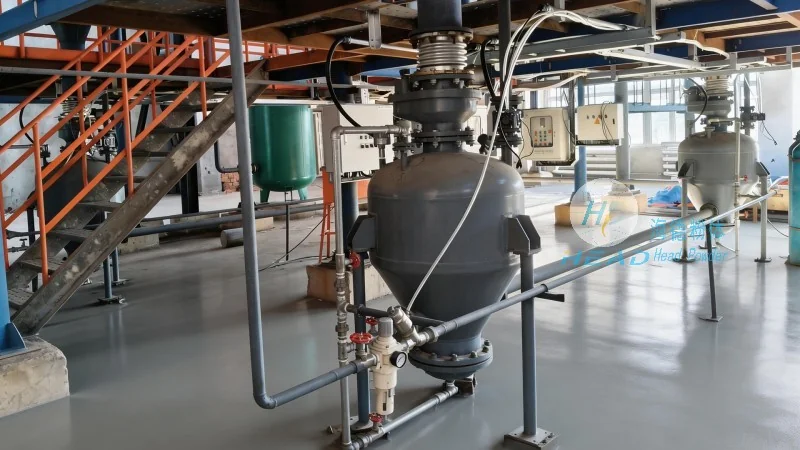
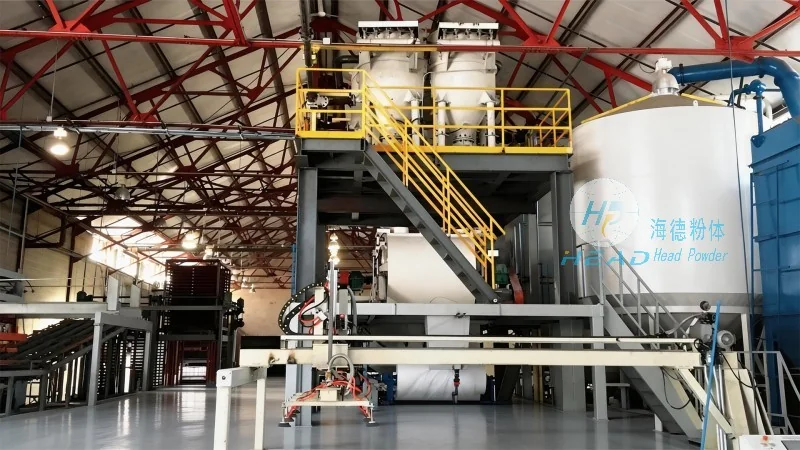
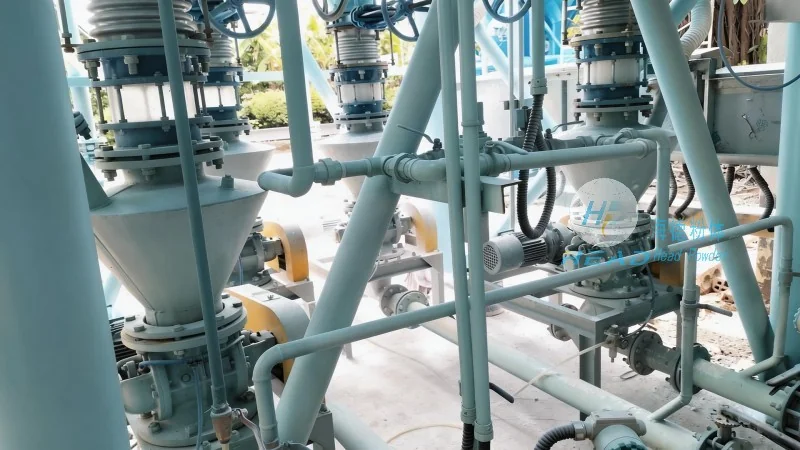
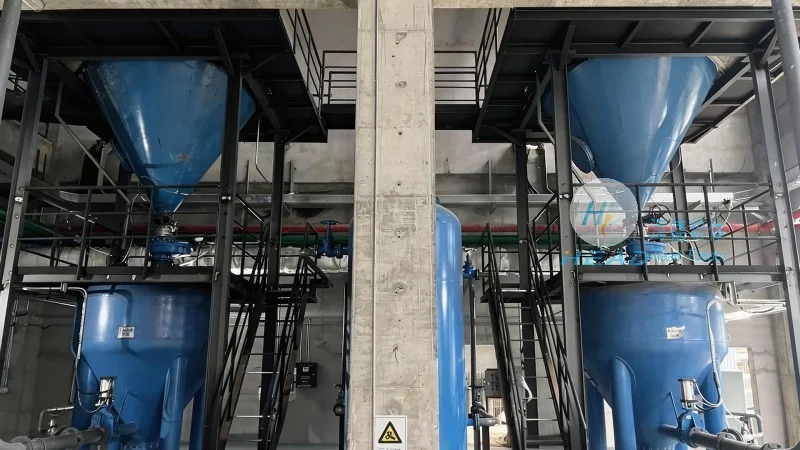
A typical pneumatic conveying line for food additives comprises several interconnected components that work together to ensure efficient material transport. The primary elements include a bulk material hopper or feeder, which stores and meters the powder at a controlled rate; a conveying pipeline, typically made of stainless steel or other food-grade materials, to transport the powder; a blower or air compressor that generates the necessary air flow; and a receiver or discharge unit to collect the conveyed powder. Each component is critical to the system's performance and must be selected based on the specific characteristics of the food additive, such as particle size, density, and moisture content. For example, the hopper design may include a rotary valve or gate to regulate the flow of powder, while the pipeline may incorporate bends or elbows with smooth transitions to minimize pressure loss and prevent particle attrition.