Corn stalk material conveying lines are specialized systems engineered to handle the transportation of corn stalks, a key agricultural byproduct. These lines are crucial in various agricultural and industrial processes, particularly in the production of biofuels, animal feed, and other value-added products from corn stalks. The design of such lines is tailored to address the unique characteristics of corn stalks, including their length, density, and moisture content, ensuring efficient and reliable material handling.
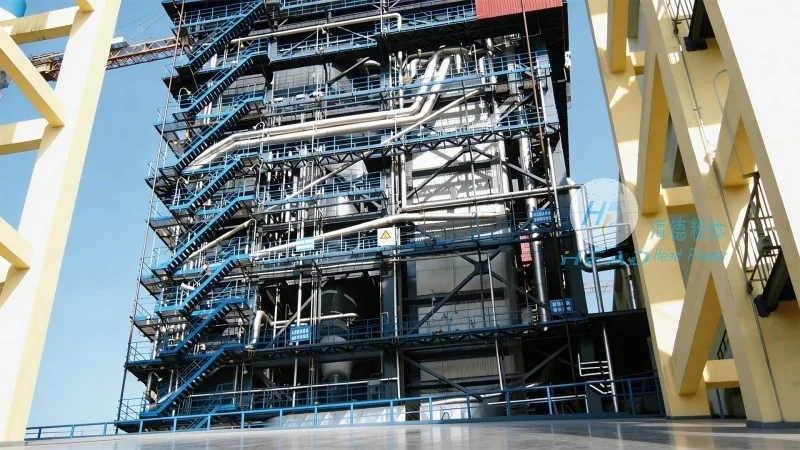
Key Design Principles for Corn Stalk Material Conveying Systems
The design of corn stalk material conveying lines follows several core principles to optimize performance and durability. First, the system must accommodate the variable dimensions of corn stalks, which can range from several feet to over ten feet in length. This requires flexible and robust conveyor components, such as high-capacity augers or belt conveyors, that can handle irregularly shaped materials without causing blockages or damage. Second, the design considers the material's moisture content and potential for decomposition, which may affect the conveyor's speed and maintenance requirements. Engineers often incorporate features like adjustable speed controls and easy-to-clean components to mitigate these challenges. Third, the system is designed for high efficiency and low energy consumption, as continuous operation is common in agricultural processing facilities. This involves selecting energy-efficient motors and optimizing the conveyor's layout to minimize material handling time and costs.
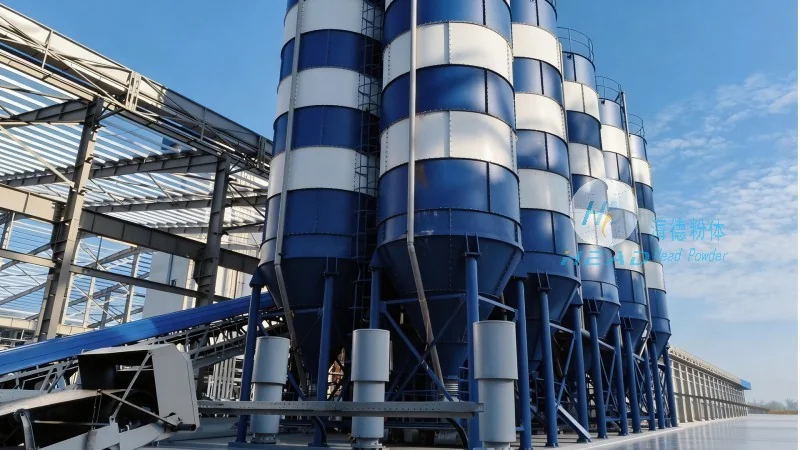
Components and Functionality of Corn Stalk Conveying Lines
A typical corn stalk material conveying line consists of several interconnected components, each playing a vital role in the overall operation. The primary components include feed hoppers, which collect and store the corn stalks before processing; conveyor mechanisms, such as augers or belt conveyors, that transport the material through the system; and processing units, like choppers or shredders, that prepare the stalks for further use. The feed hopper is designed to handle large volumes of corn stalks, often equipped with a hopper gate to control the flow rate. The conveyor mechanism is the heart of the system, responsible for moving the material from the hopper to the processing unit. Auger conveyors, for example, use rotating screws to push the material forward, while belt conveyors use a moving belt with attached buckets or flights to transport the stalks. The processing unit then breaks down the stalks into smaller pieces, making them suitable for use as animal feed or biofuel feedstock.
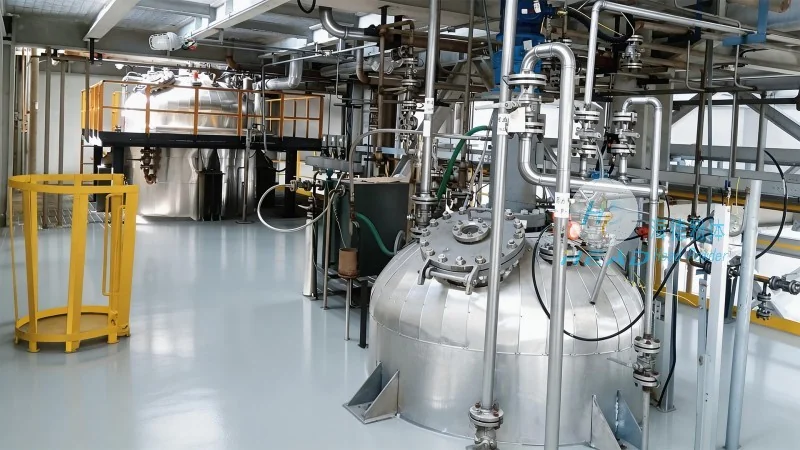
Importance of Material Handling in Agricultural Processing
Efficient material handling is critical in agricultural processing, as it directly impacts the productivity and profitability of operations. Corn stalk material conveying lines play a pivotal role in this process by ensuring that raw materials are moved quickly and safely from the field to the processing facility. This reduces labor costs and minimizes the risk of material loss or degradation during transport. Additionally, the design of these lines allows for seamless integration with other processing equipment, such as drying ovens or pelletizers, creating a streamlined production line. The ability to handle large volumes of corn stalks without frequent stops or maintenance is a key advantage, enabling continuous operation and higher output.
Customization and Adaptability of Conveying Systems
Corn stalk material conveying lines are highly customizable to meet the specific needs of different agricultural operations. Manufacturers, such as Shandong HeadPowder Engineering Co., Ltd., offer tailored solutions that can be adjusted for various factors, including the size of the processing facility, the volume of material to be handled, and the desired output specifications. For example, a small-scale farm might use a compact conveying line with a lower capacity, while a large industrial facility might require a high-capacity system with multiple conveyor sections. The adaptability of these systems also allows for integration with existing equipment, reducing the need for major infrastructure changes. This flexibility ensures that the conveying line can evolve with the changing needs of the agricultural operation, providing long-term value and efficiency.
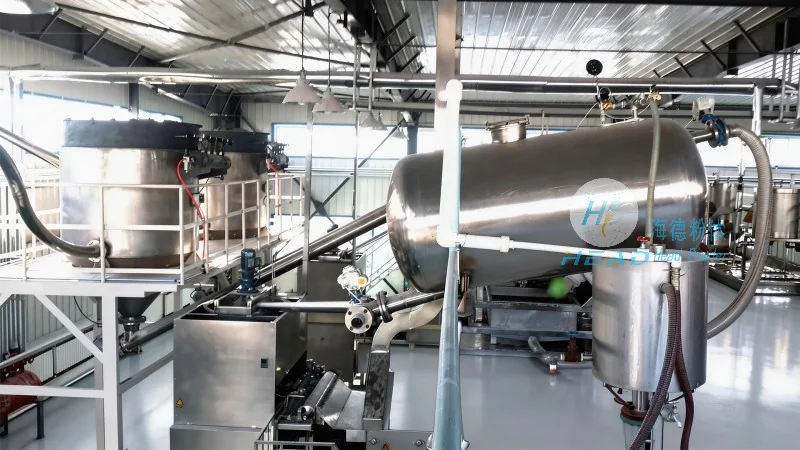
Maintenance and Durability Considerations
Maintaining the longevity and performance of corn stalk material conveying lines is essential for sustained operation. The components used in these systems, such as augers, belts, and hoppers, are subject to wear and tear from handling rough, abrasive materials like corn stalks. Regular maintenance, including cleaning, lubrication, and inspection of moving parts, is crucial to prevent breakdowns and extend the system's lifespan. High-quality materials, such as corrosion-resistant steel and durable rubber components, are often used in the construction of these lines to withstand the harsh conditions of agricultural processing. Additionally, manufacturers provide detailed maintenance guidelines and support to help users keep their systems in optimal condition, ensuring reliable performance over time.




