For industries dealing with polyethylene resin powder, efficient material handling is crucial to maintain production efficiency and product quality. The pneumatic conveying system represents a sophisticated solution that integrates advanced engineering principles to transport polyethylene resin powder from storage to processing units. This article explores the key aspects of designing a pneumatic conveying system tailored for polyethylene resin powder, emphasizing the technical considerations and practical applications.
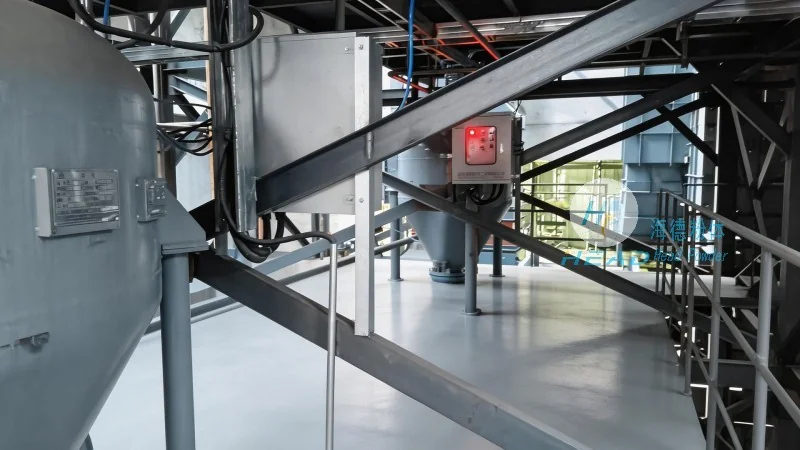
Company Introduction: HeadPowder Engineering
HeadPowder, or Shandong HeadPowder Engineering Co., Ltd., is a specialized engineering firm based in Shandong, China. With a focus on providing customized material handling solutions, HeadPowder leverages years of industry experience to design and implement pneumatic conveying systems that meet the unique demands of polyethylene resin powder applications. The company’s expertise spans system design, equipment selection, and installation, ensuring optimal performance and reliability for clients in various sectors.
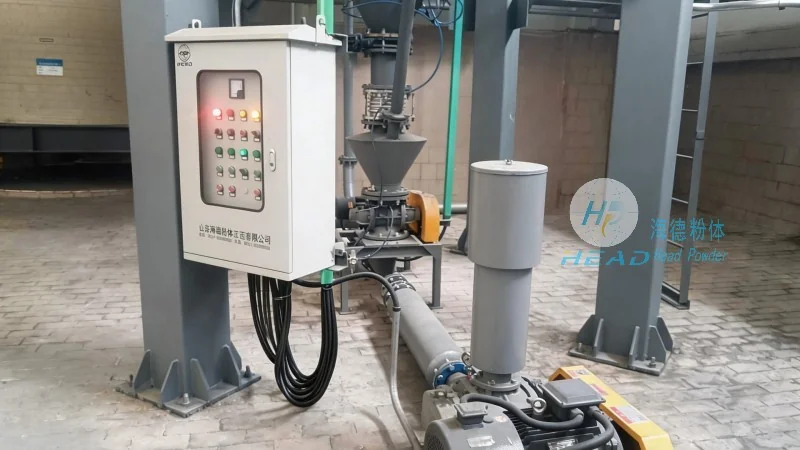
Core Components of a Polyethylene Resin Powder Pneumatic Conveying System
The design of a pneumatic conveying system for polyethylene resin powder involves several critical components, each playing a vital role in the overall operation. The system typically includes a hopper for material storage, a feeder to control the flow rate, a conveying line (either positive or negative pressure), and a receiver for the delivered material. The choice of components depends on factors such as the material's properties, the required conveying distance, and the desired throughput. For polyethylene resin powder, which is often fine and abrasive, selecting appropriate materials for the hopper and conveying line is essential to prevent degradation and ensure long-term system performance.
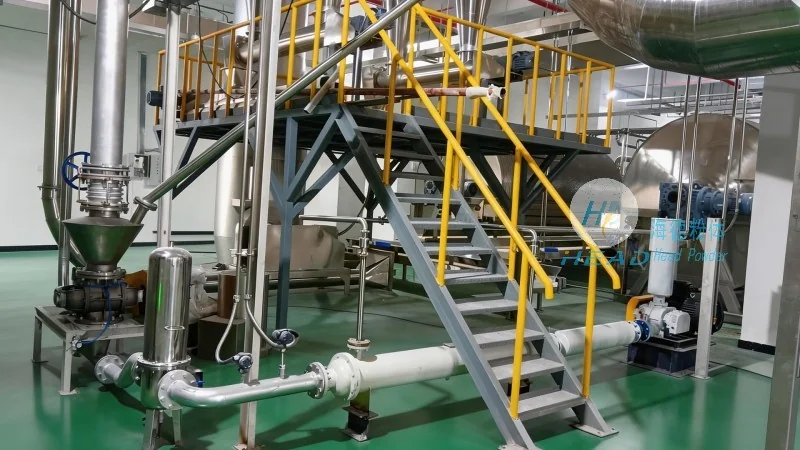
System Design Considerations for Polyethylene Resin Powder
When designing a pneumatic conveying system for polyethylene resin powder, engineers must consider several technical factors to ensure efficiency and reliability. The first consideration is the material's flowability and particle size distribution. Polyethylene resin powder can vary in particle size, and improper handling may lead to blockages or uneven flow. Therefore, the system design incorporates features like agitators or vibrators in the hopper to maintain consistent material flow. Additionally, the air velocity and pressure within the conveying line must be optimized to prevent material degradation and minimize energy consumption. HeadPowder Engineering employs advanced computational fluid dynamics (CFD) and material testing to determine the optimal air velocity and pressure settings for each specific application.
Application Scenarios and Industry Benefits
Polyethylene resin powder pneumatic conveying systems are widely used in industries such as plastics manufacturing, chemical processing, and pharmaceuticals. In plastics manufacturing, these systems efficiently transport resin from silos to extrusion lines, reducing downtime and improving production throughput. The benefits extend to cost savings, as pneumatic conveying eliminates the need for manual handling and reduces material loss. Furthermore, the enclosed system design enhances safety by preventing dust emissions and ensuring a clean working environment. HeadPowder Engineering has successfully implemented such systems for clients across China, demonstrating the effectiveness of their design approach in real-world industrial settings.
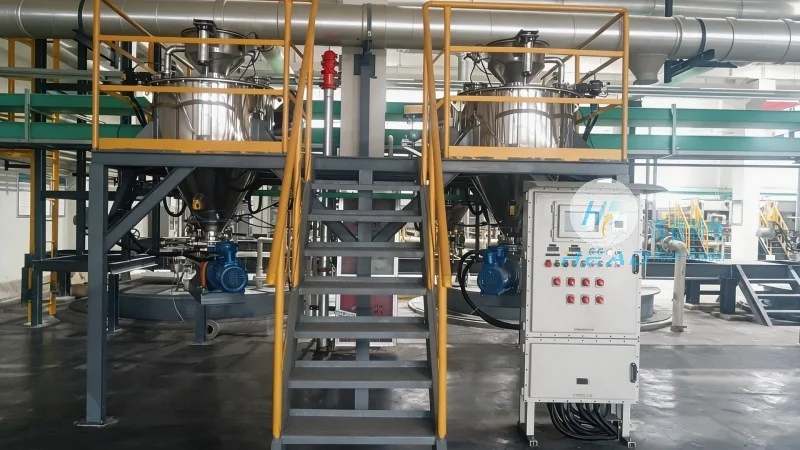
Customization and After-Sales Support
HeadPowder Engineering understands that each polyethylene resin powder application has unique requirements. Therefore, the company offers customized solutions tailored to specific client needs. This includes adjusting system components, such as the hopper size or conveying line length, to match the production scale. After the system is installed, HeadPowder provides comprehensive after-sales support, including maintenance services and technical assistance. The company’s team of engineers is available to address any issues that may arise, ensuring the system operates at peak performance throughout its lifecycle.




