HeadPowder, formally known as Shandong HeadPowder Engineering Co., Ltd., is a professional enterprise based in Shandong, China. The company specializes in the research, development, and application of pneumatic conveying systems, particularly for foam plastic materials. With a focus on innovative solutions tailored to the unique characteristics of foam plastics, HeadPowder has established itself as a trusted partner in the industry, providing reliable and efficient conveying solutions for various industrial applications.
Working Principles of Foam Plastic Pneumatic Conveying
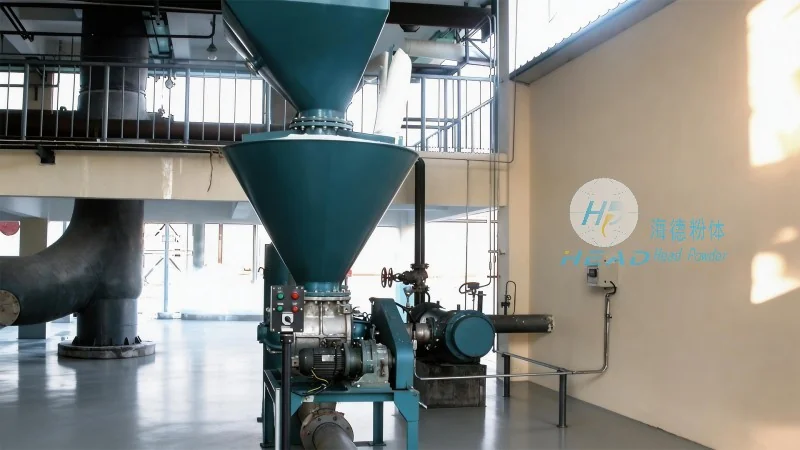
Pneumatic conveying for foam plastics operates by utilizing air as the medium to transport material particles through a pipeline system. The process typically involves creating a pressure differential or using a vacuum to move the material. There are two primary modes of operation: suction (or vacuum) conveying and pressure conveying. In suction conveying, a vacuum is applied at the material inlet to draw the foam plastic particles into the pipeline. This method is suitable for materials that are light and may be prone to dust generation. Pressure conveying, on the other hand, uses compressed air to push the material through the pipeline, which is often more effective for heavier or more abrasive materials. The choice between these modes depends on factors such as material properties, system layout, and required conveying distance. The core of the system includes a material hopper, a conveyor line, and a control unit that regulates air flow and pressure to ensure smooth and efficient transport. HeadPowder’s systems are designed to optimize these principles, ensuring minimal material degradation and high conveying efficiency.
Classification and Application of Foam Plastic Pneumatic Conveying Systems
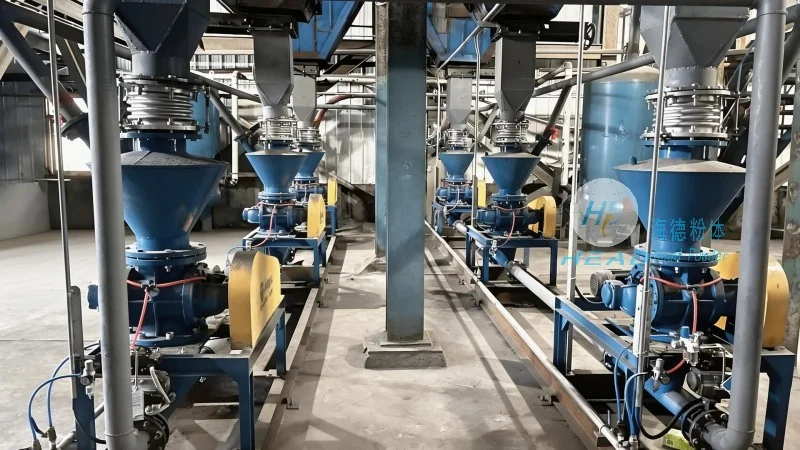
Foam plastic pneumatic conveying systems can be classified based on several key parameters, including the phase of the conveying medium, the method of air introduction, and the system pressure. The most common classifications are: 1. Solid-Phase Pneumatic Conveying, where the material is transported as discrete particles suspended in air. This is the most widely used method for foam plastics due to its simplicity and effectiveness. 2. Two-Phase Pneumatic Conveying, which involves the use of a carrier gas (often air) and a secondary fluid (such as water or oil) to enhance material transport, particularly for fine or cohesive materials. 3. High-Pressure Pneumatic Conveying, which operates at pressures above 7 bar, suitable for long-distance or high-capacity applications. 4. Low-Pressure Pneumatic Conveying, which operates at lower pressures (typically 1-3 bar) and is ideal for short-distance or low-volume transport. Each classification has its own advantages and is selected based on specific operational requirements. HeadPowder offers a range of systems that cater to these classifications, ensuring that clients can choose the most appropriate solution for their needs. The applications of foam plastic pneumatic conveying are diverse and include the handling of expanded polystyrene (EPS), polyurethane (PU) foams, and other lightweight foam materials in industries such as packaging, construction, and automotive manufacturing. These systems are particularly valuable in applications where traditional mechanical conveying methods may be impractical due to the light weight and low density of foam plastics, as they can efficiently transport large volumes of material with minimal energy consumption.
Technical Advantages and Features of HeadPowder's Systems
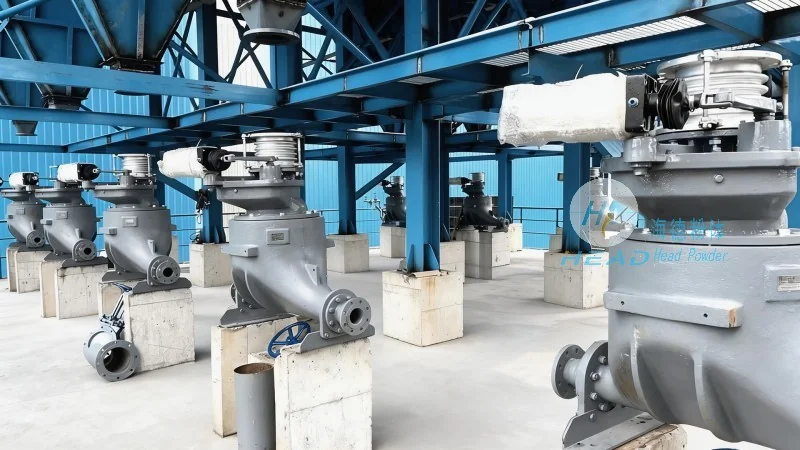
HeadPowder’s pneumatic conveying systems for foam plastics are engineered with several key advantages that set them apart in the market. Firstly, the systems are designed to minimize material degradation, which is a critical concern for foam plastics due to their delicate structure. The use of gentle air flow and optimized pipeline design reduces the risk of compression or breakage, ensuring that the material maintains its original properties. Secondly, the systems offer high conveying efficiency, with the ability to transport large volumes of foam plastic over significant distances with minimal energy input. This is achieved through the use of efficient air compressors and optimized system layouts that reduce pressure losses. Thirdly, HeadPowder’s systems are equipped with advanced control and monitoring features, allowing for real-time adjustment of air flow and pressure to maintain optimal conveying conditions. This not only improves operational efficiency but also enhances safety by preventing over-pressurization or vacuum-related hazards. Additionally, the systems are constructed from materials that are resistant to corrosion and wear, ensuring long-term durability and low maintenance costs. These features make HeadPowder’s pneumatic conveying solutions a reliable choice for industries that require consistent and high-quality handling of foam plastic materials.
Conclusion and Service Offerings
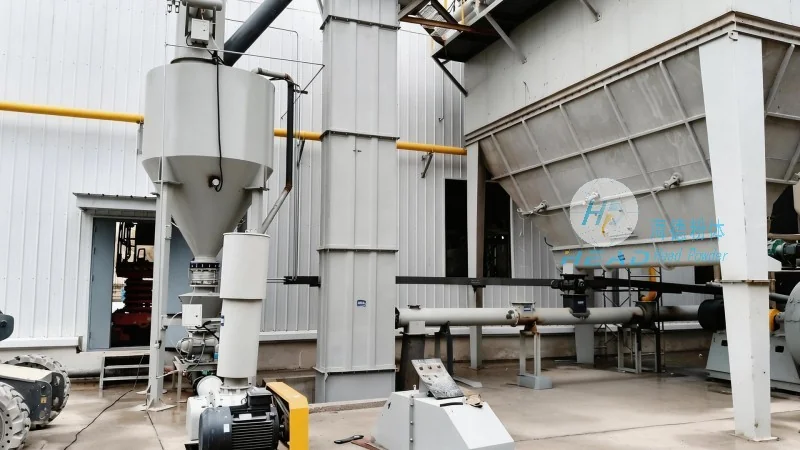
Foam plastic pneumatic conveying is a sophisticated and efficient method for handling lightweight and delicate materials, and HeadPowder Engineering Co., Ltd. provides comprehensive solutions tailored to the unique needs of clients. By combining advanced engineering, robust design, and a deep understanding of material properties, HeadPowder delivers systems that enhance productivity, reduce operational costs, and ensure the integrity of foam plastic materials throughout the conveying process. The company’s commitment to innovation and customer satisfaction has made it a leading provider in the field, serving clients across various industries with reliable and effective pneumatic conveying solutions. Whether for short-distance or long-distance transport, HeadPowder’s systems are designed to meet the highest standards of performance and reliability, making them an ideal choice for businesses seeking to optimize their material handling processes.




