Glass bubble material conveying lines are specialized systems engineered to handle the transportation of glass bubble materials, which are lightweight, insulating, and commonly used in construction and industrial applications. These lines are designed to efficiently move the material from one processing stage to another, ensuring consistent flow and minimal loss. The core components and design principles of such systems are tailored to meet the unique properties of glass bubble materials, making them essential for manufacturers and construction firms that rely on these lightweight aggregates.
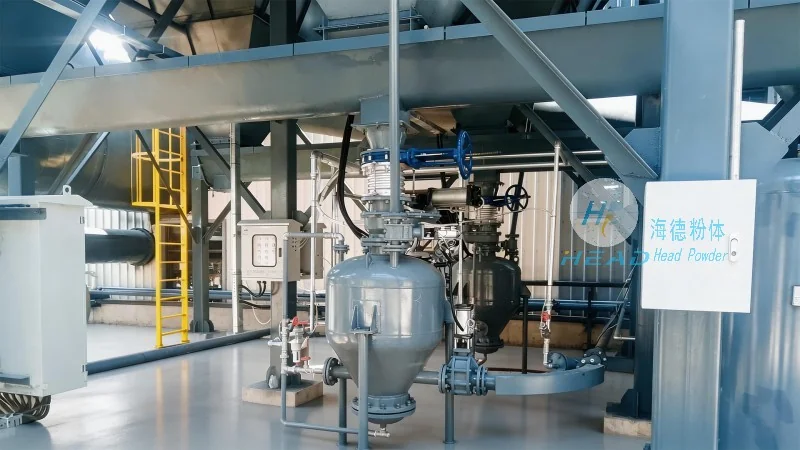
Key Design Principles of Glass Bubble Material Conveying Lines
The design of a glass bubble material conveying line is governed by several critical principles that ensure optimal performance and reliability. First, the system must accommodate the low density and irregular shape of glass bubble materials, which can affect traditional conveying methods. To address this, the line often incorporates flexible and low-friction components, such as special belts or pneumatic conveyors, to prevent material buildup and ensure smooth movement. Second, the design emphasizes energy efficiency and operational cost reduction. This is achieved through the use of variable speed drives and optimized airflow in pneumatic systems, minimizing power consumption while maintaining throughput. Third, safety and environmental considerations are integral to the design. Enclosed conveyor systems are commonly used to contain dust and prevent contamination, while emergency stop mechanisms and regular maintenance protocols are incorporated to ensure safe operation. Additionally, the line is designed for easy integration with other processing equipment, allowing for seamless workflow in production lines.
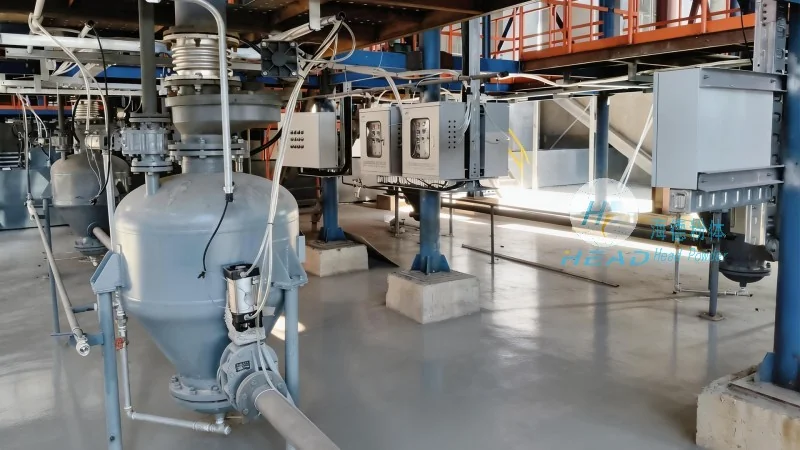
Components and Functional Aspects of the Conveying Line
A typical glass bubble material conveying line consists of several interconnected components, each playing a vital role in the overall operation. The primary components include a feeding hopper, which collects and stores the glass bubble material, a conveyor mechanism (either mechanical or pneumatic), and a discharge unit that delivers the material to the next stage of processing. The feeding hopper is designed with a sloped bottom to facilitate material flow, and it may include a vibration system to prevent clogging. The conveyor mechanism, whether a belt conveyor or a pneumatic duct system, is engineered to handle the lightweight nature of the material without excessive wear or degradation. For pneumatic systems, the ducts are often made of flexible, corrosion-resistant materials to withstand the abrasive properties of glass bubbles. The discharge unit may include a control valve or a rotary valve to regulate the flow of material to downstream equipment, ensuring precise dosing and consistent output. Additionally, the line may include sensors and monitoring systems to track material levels, detect blockages, and adjust operational parameters in real-time, enhancing overall efficiency and reliability.
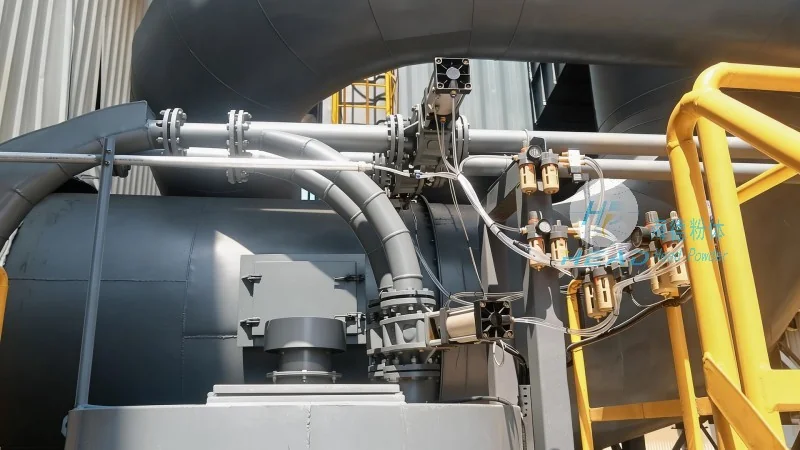
Application and Operational Benefits
Glass bubble material conveying lines are widely used in various industries, including construction, insulation manufacturing, and industrial processing. In construction, these lines are essential for transporting glass bubble materials to mixing plants or on-site storage areas, where they are used as lightweight aggregates in concrete and masonry products. The lightweight nature of glass bubbles reduces the overall weight of building materials, improving structural efficiency and reducing transportation costs. In insulation manufacturing, the conveying line ensures that glass bubble materials are delivered to production lines for processing into insulation boards or other thermal insulation products. The operational benefits of these systems include increased productivity, reduced labor costs, and improved material quality control. By maintaining consistent flow and minimizing material loss, the conveying line helps manufacturers achieve higher throughput and better product consistency. Furthermore, the design of the line allows for easy maintenance and cleaning, reducing downtime and extending the lifespan of the equipment.
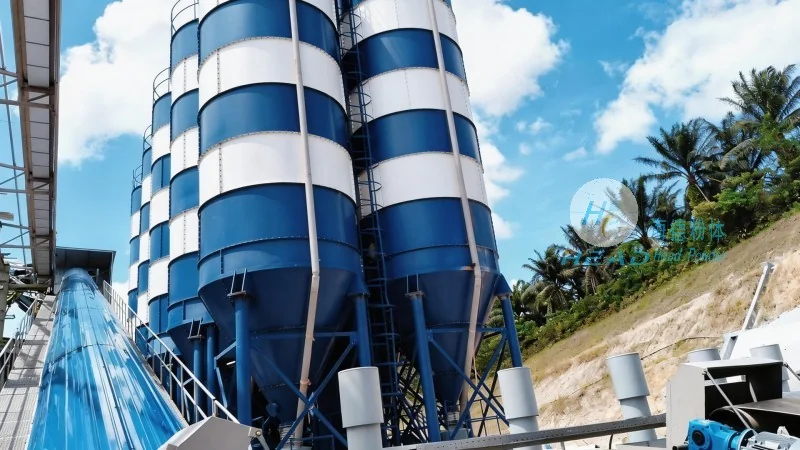
About Shandong HeadPowder Engineering Co., Ltd.
Shandong HeadPowder Engineering Co., Ltd., commonly known as HeadPowder, is a leading manufacturer and supplier of specialized material handling equipment, including glass bubble material conveying lines. With a strong focus on innovation and customer satisfaction, HeadPowder has established itself as a trusted partner in the industry. The company’s headquarters is located in Shandong, China, where it operates a state-of-the-art manufacturing facility equipped with advanced technology and skilled personnel. HeadPowder’s team of engineers and technicians specializes in designing and manufacturing customized conveying systems tailored to the specific needs of clients. The company adheres to strict quality control standards and uses high-quality materials to ensure the durability and reliability of its products. HeadPowder also provides comprehensive after-sales support, including installation, training, and maintenance services, to ensure that clients can maximize the performance of their conveying lines. With a commitment to excellence and customer-centric solutions, HeadPowder continues to be a key player in the material handling industry, helping businesses improve their operational efficiency and achieve their production goals.




