Metallurgical coke, a critical raw material in the iron and steel industry, requires efficient and reliable transportation methods to ensure smooth production processes. Pneumatic conveying systems have emerged as a preferred solution for handling metallurgical coke due to their ability to transport bulk materials over long distances with minimal maintenance and operational complexity. This article provides an in-depth analysis of the key components, operational principles, and benefits of metallurgical coke pneumatic conveying systems, highlighting the expertise of Shandong HeadPowder Engineering Co., Ltd. in designing and implementing such systems.
Key Components of Metallurgical Coke Pneumatic Conveying Systems
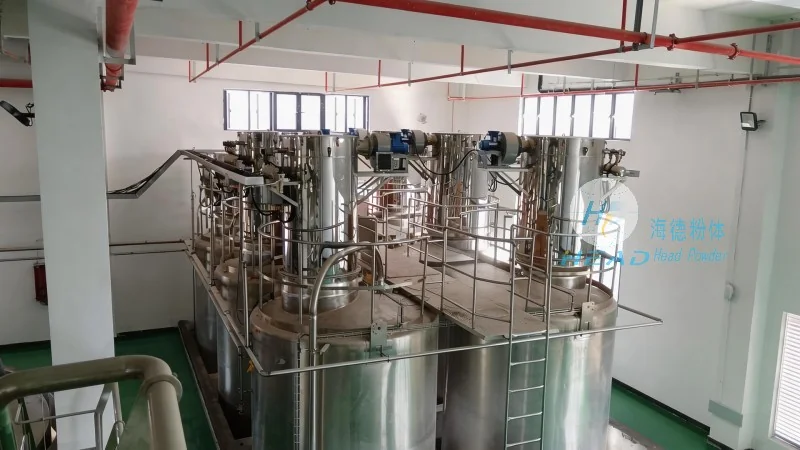
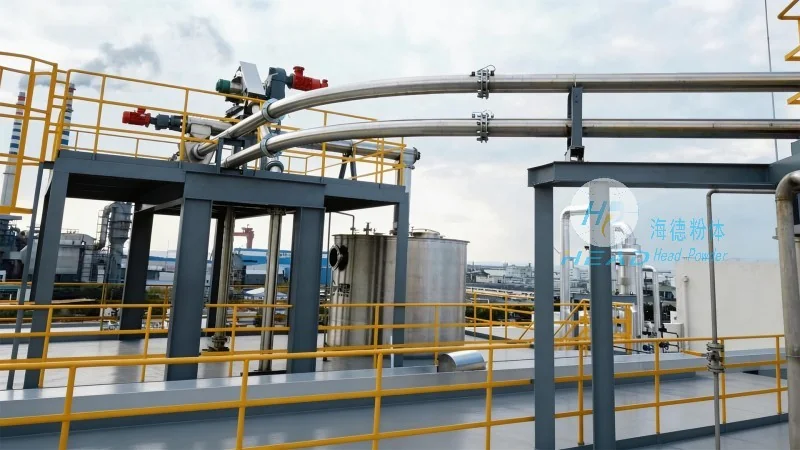
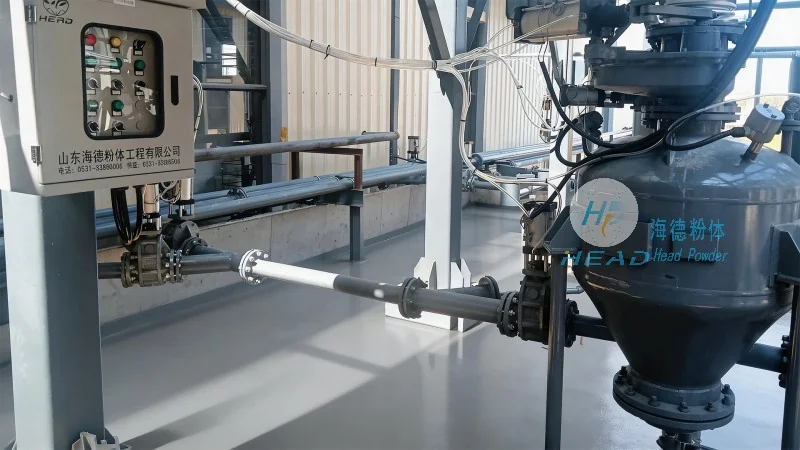
The effectiveness of a metallurgical coke pneumatic conveying system relies on several interconnected components that work in harmony to achieve efficient material transport. The primary components include the material feed system, the conveying pipeline, the air supply and control system, and the discharge equipment. The material feed system, often a hopper or a rotary valve, ensures a consistent and controlled flow of coke into the system. The conveying pipeline, typically made of stainless steel or other corrosion-resistant materials, is designed to withstand the abrasive nature of coke while maintaining low pressure drop. The air supply system, usually equipped with a blower or a positive displacement pump, generates the necessary air pressure to move the coke particles through the pipeline. Control valves and sensors are integrated to monitor and regulate the air flow and material flow, ensuring optimal system performance. The discharge equipment, such as a rotary valve or a dust collector, safely releases the coke at the destination point, preventing dust emissions and maintaining environmental compliance.
Operational Principles and Flow Characteristics
Pneumatic conveying systems operate based on the principle of using air to transport solid particles. There are two main types of pneumatic conveying: dilute phase and dense phase. Dilute phase systems use low air velocities to transport coke particles in a suspended state, suitable for short to medium distances. Dense phase systems, on the other hand, use higher air velocities and lower flow rates to transport coke in a slurry-like state, ideal for long-distance transport and handling of fine particles. The choice between these systems depends on the specific requirements of the metallurgical coke handling application, including distance, particle size, and material characteristics. The system's design must consider factors such as particle size distribution, moisture content, and bulk density of the coke to ensure efficient and reliable operation. Proper air-to-material ratio is crucial in maintaining the desired flow characteristics and preventing system blockages or excessive energy consumption.
Benefits and Advantages of Metallurgical Coke Pneumatic Conveying
Implementing a pneumatic conveying system for metallurgical coke offers numerous benefits that enhance operational efficiency and cost-effectiveness. One of the primary advantages is the reduction in labor costs associated with manual handling and transportation of coke. The automated system minimizes the need for manual labor, improving safety and reducing the risk of accidents. Additionally, pneumatic conveying systems provide a dust-free and clean environment, which is essential for maintaining a safe working environment and complying with environmental regulations. The system's ability to transport coke over long distances without the need for intermediate storage or handling points reduces the overall footprint of the facility and improves material flow continuity. Another significant benefit is the energy efficiency of the system, as modern blower technologies and optimized pipeline designs minimize energy consumption while maintaining high transport capacity. The system's low maintenance requirements and long service life further contribute to its cost-effectiveness, making it a preferred choice for long-term coke handling applications.
Customization and Design Considerations
Shandong HeadPowder Engineering Co., Ltd. specializes in the design and manufacturing of customized pneumatic conveying systems tailored to the specific needs of metallurgical coke handling applications. The company's engineers work closely with clients to understand their operational requirements, including the type and quantity of coke, the distance to be covered, and the desired discharge points. Based on this information, the system is designed to optimize material flow, minimize energy consumption, and ensure compliance with industry standards and regulations. The company utilizes advanced simulation software to model the system's performance, allowing for precise design and optimization before manufacturing. This approach ensures that the final system meets the client's expectations in terms of efficiency, reliability, and cost-effectiveness. Customization options include the selection of appropriate materials for the conveying pipeline, the integration of dust collection systems, and the incorporation of safety features such as pressure relief valves and emergency shutdown mechanisms. The company's commitment to quality and customer satisfaction is reflected in its rigorous testing and validation processes, ensuring that each system is thoroughly tested before delivery.
Case Studies and Real-World Applications
Shandong HeadPowder Engineering Co., Ltd. has successfully implemented numerous metallurgical coke pneumatic conveying systems for clients in the iron and steel industry. These case studies demonstrate the effectiveness and reliability of the company's systems in real-world applications. For example, a major steel mill in China implemented a dilute phase pneumatic conveying system to transport metallurgical coke from storage silos to the blast furnace. The system was designed to handle 200 tons of coke per hour over a distance of 500 meters, with a material feed rate of 0.5 m³/s. The system's performance exceeded expectations, with minimal downtime and low maintenance costs. Another client, a coke production facility, utilized a dense phase system to transport fine coke particles from the screening area to the blending plant. The system was designed to handle 150 tons per hour over a distance of 1,200 meters, with a particle size range of 0.5 to 5 mm. The system's ability to maintain consistent flow and prevent particle segregation was crucial for the client's production process. These case studies highlight the versatility and adaptability of Shandong HeadPowder Engineering Co., Ltd.'s pneumatic conveying systems, which can be tailored to meet the unique requirements of various metallurgical coke handling applications.




