Hydrogen chloride (HCl) is a critical industrial chemical widely used in various chemical processes. The method of conveying HCl directly impacts production efficiency, safety, and operational costs. Among the common pneumatic conveying techniques, positive pressure and negative pressure conveying are two primary approaches. This article provides a comparative analysis of these two methods to help industrial applications make informed decisions.
Positive Pressure Conveying: Advantages and Considerations
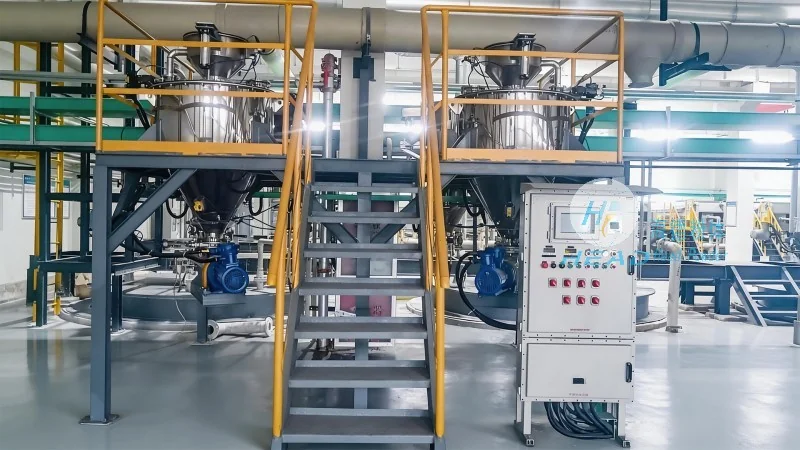
Positive pressure conveying operates by using a positive pressure fan to mix air or inert gas with HCl, delivering it at a pressure higher than atmospheric pressure. This method offers several advantages, including the ability to cover longer distances and overcome higher resistance in the pipeline. The system is relatively simple in design, with easier maintenance compared to other complex setups. It is particularly suitable for large-scale industrial plants where HCl needs to be transported over extended distances or to elevated positions.
However, positive pressure conveying also presents challenges. It requires stringent sealing systems to prevent HCl leakage, which demands high-quality materials and robust construction. The system may also consume more energy due to the higher pressure operation. Despite these drawbacks, its ability to handle long-distance and complex pipeline configurations makes it a preferred choice for many industrial applications.
Negative Pressure Conveying: Benefits and Limitations
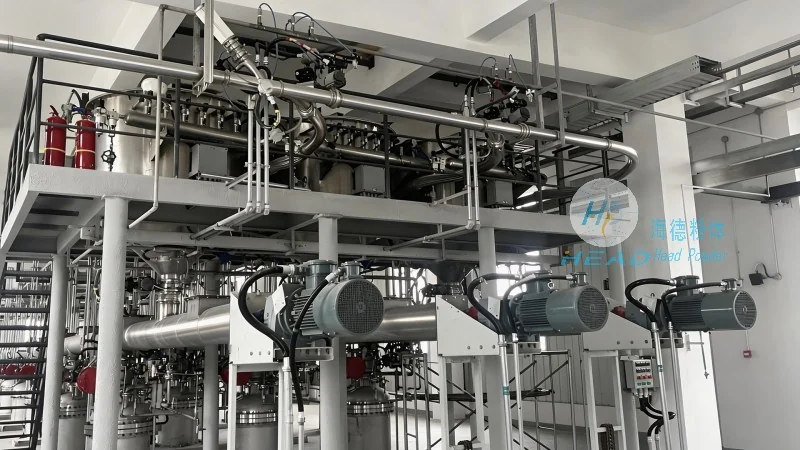
Negative pressure conveying, on the other hand, uses a vacuum pump to create a negative pressure within the pipeline, drawing HCl into the system. This approach has its own set of benefits. The primary advantage is enhanced safety, as the pipeline operates under negative pressure, reducing the risk of HCl escaping into the environment. The sealing requirements are generally less stringent compared to positive pressure systems, making it more cost-effective for short-distance applications. It is commonly used in laboratory settings or small-scale production facilities where HCl is needed for localized processes.
Nevertheless, negative pressure conveying has significant limitations. The most notable drawback is its limited range; it is not suitable for long-distance transport due to the constraints of the vacuum pump's pressure capability. The energy consumption is higher compared to positive pressure systems, as vacuum pumps require more power to maintain the negative pressure. Additionally, the control systems for negative pressure conveying are more complex, requiring precise monitoring to prevent air ingress and ensure stable operation.
Comparative Analysis: Key Factors to Consider
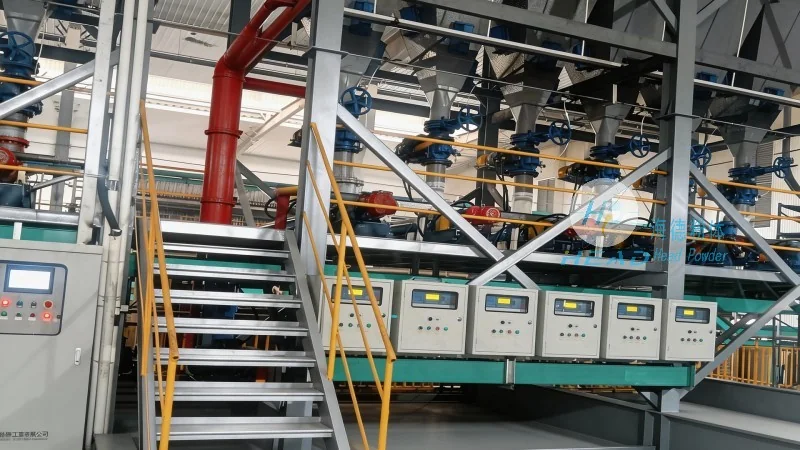
When comparing positive and negative pressure conveying for HCl, several key factors emerge. From a distance perspective, positive pressure systems excel in long-distance transport, while negative pressure is confined to short distances. In terms of safety, negative pressure offers a lower risk of HCl leakage due to its sub-atmospheric pressure, though both systems demand rigorous leak detection and mitigation measures. Energy efficiency is another critical aspect: positive pressure systems are generally more energy-efficient for long-distance operations, whereas negative pressure systems may be more economical for short runs.
Equipment cost and maintenance also play a role. Positive pressure systems involve higher upfront costs for high-pressure fans and robust pipelines but have lower long-term maintenance expenses. Negative pressure systems, while cheaper initially, incur higher maintenance costs due to the complexity of vacuum pumps and control systems. The choice between the two methods ultimately depends on the specific requirements of the HCl handling process, including the distance, resistance, safety standards, and budget constraints.
Shandong HeadPowder Engineering Co., Ltd.: Customized Conveying Solutions
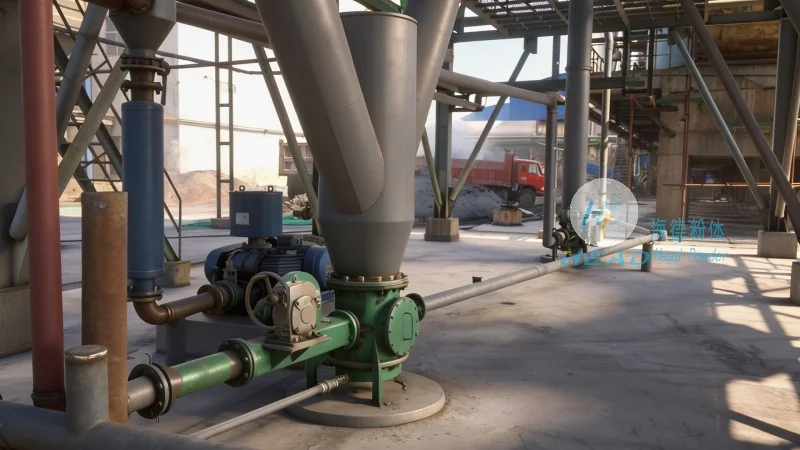
Shandong HeadPowder Engineering Co., Ltd., a leading manufacturer of chemical engineering equipment, specializes in designing and implementing HCl conveying systems tailored to client needs. With years of experience in the industry, the company provides comprehensive solutions that integrate both positive and negative pressure technologies based on the project's unique characteristics. For instance, for large-scale industrial plants requiring long-distance HCl transport, the company recommends a positive pressure system equipped with advanced sealing and pressure control mechanisms to minimize risks and ensure efficient operation. For smaller-scale or laboratory applications, negative pressure conveying is offered as a cost-effective and safe option.
The company's engineering team conducts thorough site assessments to evaluate factors such as pipeline length, resistance, environmental conditions, and safety regulations. This data-driven approach ensures that the selected conveying method aligns with the client's operational goals and complies with industry standards. By leveraging advanced technology and expert knowledge, Shandong HeadPowder Engineering Co., Ltd. helps industries optimize HCl handling processes, enhancing productivity while maintaining safety and environmental compliance.




