Coal gangue lime, a byproduct of coal mining and processing, plays a crucial role in various industrial applications such as flue gas desulfurization, soil stabilization, and material processing. The efficient and reliable transportation of this material is essential for maintaining operational efficiency and ensuring environmental compliance. Among the various conveying methods available, pneumatic conveying stands out as a versatile and effective solution for handling coal gangue lime. This article explores common coal gangue lime conveying methods, with a particular focus on the advantages and applications of pneumatic conveying systems.
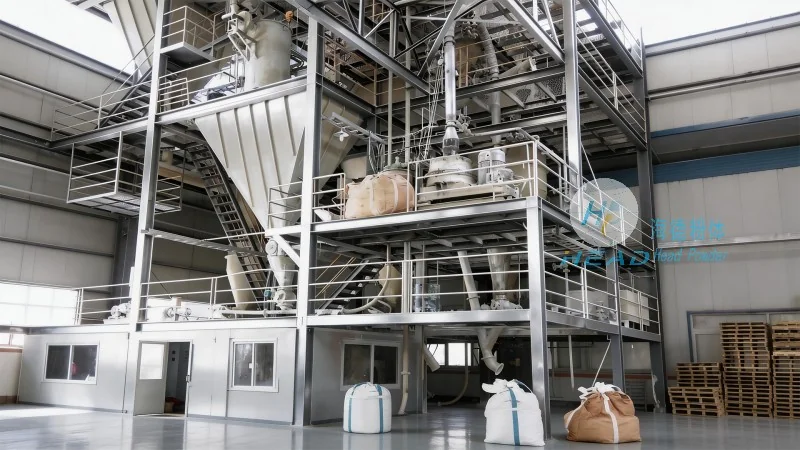
Traditional Conveying Methods for Coal Gangue Lime
Before the widespread adoption of advanced pneumatic systems, traditional conveying methods were commonly used for transporting coal gangue lime. These methods include gravity flow, mechanical conveyors like belt conveyors, and screw conveyors. Gravity flow systems rely on the natural slope of the material to move it from one location to another, typically requiring a steep incline to achieve sufficient velocity. While simple and low-cost, gravity systems are limited by the need for a suitable topography and are often unsuitable for long-distance or complex routing. Belt conveyors, on the other hand, use a continuous belt to transport material horizontally or at a slight incline. They are widely used in mining and processing facilities due to their ability to handle large volumes and abrasive materials. However, belt conveyors have limitations when dealing with fine, dusty materials like coal gangue lime, as they can cause dust emissions and require regular maintenance to prevent wear and tear. Screw conveyors use a rotating screw to push material forward, making them suitable for vertical or horizontal transport. They are compact and can handle a variety of materials, but they are prone to clogging with sticky or fine particles, which can lead to operational issues and increased downtime.
Pneumatic Conveying: A Modern Solution for Coal Gangue Lime Transport
Pneumatic conveying, also known as air conveying, uses a stream of air to transport solid materials through a pipeline. This method offers several advantages over traditional systems, making it particularly suitable for coal gangue lime. One of the key benefits is the ability to handle fine, dusty materials without generating excessive dust, which is critical for maintaining air quality and compliance with environmental regulations. Pneumatic systems can also transport materials over long distances and through complex layouts, including vertical lifts and multiple turns, with minimal maintenance. The process typically involves a blower or fan to generate airflow, a hopper to feed the material, and a pipeline system to deliver it to the destination. The material is suspended in the air stream and carried through the pipeline, where it is then separated from the air at the receiving end using a cyclone or other separation equipment. This separation process allows for the recovery of the material and the return of the air to the system, making the process energy-efficient and environmentally friendly.
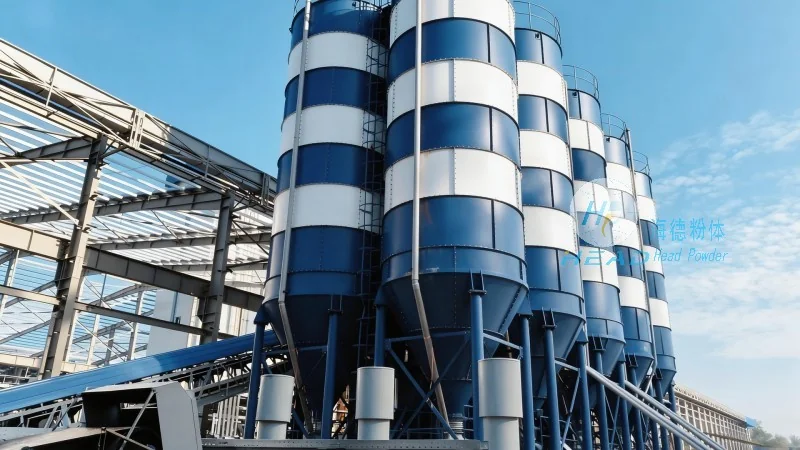
Key Components of a Pneumatic Conveying System for Coal Gangue Lime
The effectiveness of a pneumatic conveying system for coal gangue lime depends on several key components. The first is the air mover, which can be a positive displacement blower or a centrifugal fan. Positive displacement blowers, such as rotary lobe or Roots blowers, provide consistent airflow and pressure, making them ideal for handling fine materials that require high velocity. Centrifugal fans, while less expensive, may not provide sufficient pressure for long-distance or high-resistance applications. The second component is the feed system, which includes a hopper and a feeder. The hopper stores the coal gangue lime and feeds it to the feeder, which controls the flow rate to maintain consistent material transport. The feeder can be a rotary valve, a screw feeder, or a vibratory feeder, depending on the material characteristics and system requirements. The third component is the pipeline system, which consists of pipes made from materials such as stainless steel, carbon steel, or plastic. The choice of material depends on the material's corrosiveness and the system's operating conditions. The pipeline is designed to minimize pressure drop and ensure smooth material flow, with appropriate bends and elbows to accommodate changes in direction. The fourth component is the separation system, which includes a cyclone or a baghouse to separate the material from the air. The cyclone uses centrifugal force to separate the material from the air, while the baghouse uses fabric filters to capture fine particles. The separated material is collected in a hopper and can be reused, while the air is cleaned and returned to the system. The fifth component is the control system, which monitors and controls the operation of the pneumatic conveying system. This includes sensors for pressure, flow, and material level, as well as controls for the air mover and feeder. The control system ensures that the system operates efficiently and safely, with automatic shutdowns in case of overpressure or other faults.
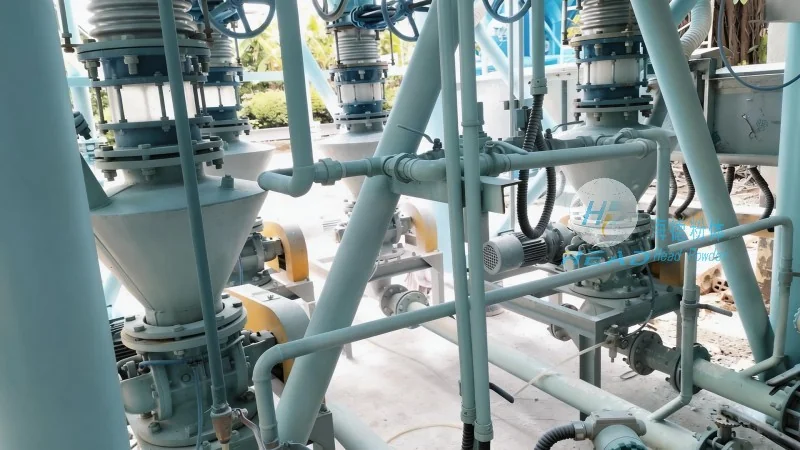
Advantages of Pneumatic Conveying for Coal Gangue Lime
Pneumatic conveying offers several advantages over traditional methods for transporting coal gangue lime. First, it provides a dust-free environment, which is essential for maintaining air quality and complying with environmental regulations. The enclosed pipeline system prevents dust from escaping into the workplace or the environment, reducing the risk of respiratory issues and contamination. Second, it allows for the transport of fine, abrasive materials without causing wear and tear on the system components. The air stream suspends the material, reducing friction and wear compared to mechanical conveyors. Third, it enables long-distance and complex routing, making it suitable for applications where gravity or mechanical systems are not feasible. The system can transport material over distances of several kilometers and through multiple turns and vertical lifts, with minimal loss of material. Fourth, it is energy-efficient, as the air is recirculated and reused, reducing the need for constant air replacement. The system also requires less maintenance compared to mechanical systems, as there are fewer moving parts and less wear and tear. Fifth, it provides a safe and reliable operation, with automatic controls and safety features that prevent accidents and ensure consistent performance.
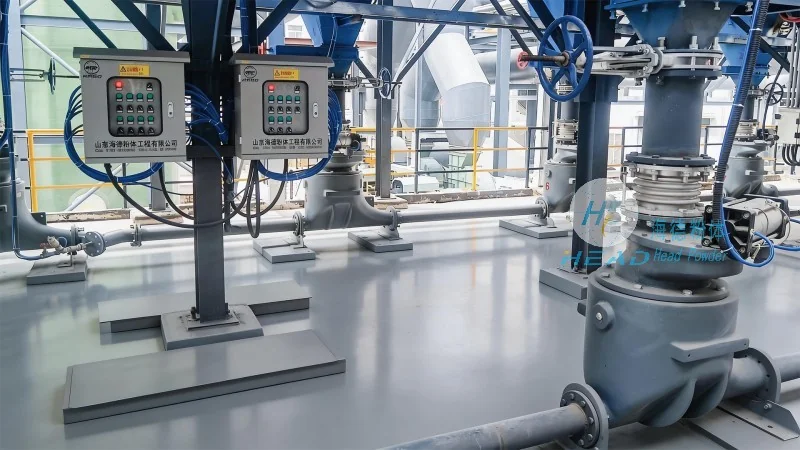
Applications of Pneumatic Conveying in Coal Gangue Lime Handling
Pneumatic conveying systems are widely used in various applications involving coal gangue lime. One common application is in flue gas desulfurization (FGD) plants, where coal gangue lime is used as a sorbent to remove sulfur dioxide from flue gases. The pneumatic system transports the lime from storage to the FGD reactor, ensuring a consistent supply of material. Another application is in soil stabilization projects, where coal gangue lime is mixed with soil to improve its strength and durability. The pneumatic system delivers the lime to the mixing site, allowing for precise control of the material ratio. Additionally, pneumatic conveying is used in material processing facilities, where coal gangue lime is used as a filler or additive in the production of construction materials, such as concrete or bricks. The system ensures that the lime is delivered to the production line in a controlled manner, maintaining the quality of the final product.
HeadPowder Engineering: A Leader in Pneumatic Conveying Solutions
Shandong HeadPowder Engineering Co., Ltd., based in China, is a leading provider of pneumatic conveying systems for coal gangue lime and other industrial materials. The company specializes in designing and manufacturing customized pneumatic systems that meet the specific needs of its clients. HeadPowder's systems are engineered to handle a wide range of material characteristics, including fine, dusty, and abrasive materials like coal gangue lime. The company uses advanced technology and materials to ensure the durability and efficiency of its systems, with components such as stainless steel pipelines, high-efficiency cyclones, and energy-saving blowers. HeadPowder's team of engineers and technicians work closely with clients to understand their operational requirements and provide tailored solutions that optimize material transport and reduce operational costs. The company's systems are installed in various industries, including power generation, mining, and construction, with a reputation for reliability and performance. HeadPowder's commitment to quality and customer satisfaction has made it a trusted partner for businesses seeking efficient and sustainable material handling solutions.




