Efficient material handling is a critical aspect of industrial operations, especially when dealing with fine powders like silica micropowders. Traditional methods such as manual handling or mechanical conveyors often present challenges related to dust control, material degradation, and operational inefficiencies. Pneumatic conveying offers a sophisticated solution to these issues, enabling the seamless transport of powdery materials through the use of air flow. This article explores the principles, benefits, and practical applications of pneumatic conveying for silica micropowders, highlighting how it can enhance operational efficiency and product quality.
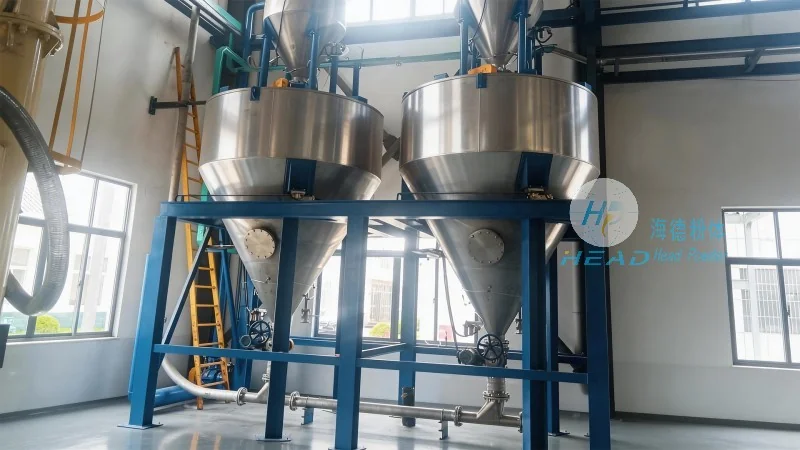
Understanding Pneumatic Conveying for Silica Micropowders
Pneumatic conveying systems utilize compressed air or gas to transport solid particles through a pipeline. In the case of silica micropowders, which are typically fine, dry powders with a high specific surface area, the choice of conveying method is crucial. The primary goal is to achieve efficient, dust-free, and low-loss transport while maintaining the integrity of the powder. There are two main types of pneumatic conveying systems: dilute-phase and dense-phase. Dilute-phase systems use high velocities to keep particles suspended in the air stream, suitable for short-distance and low-volume applications. Dense-phase systems, on the other hand, operate at lower velocities, using higher air-to-solids ratios to move material in a more controlled manner, minimizing particle degradation and ensuring better product quality.
The Role of Air Flow in Efficient Material Transport
The effectiveness of pneumatic conveying heavily relies on the characteristics of the air flow. Proper air velocity and pressure are essential to ensure that the silica micropowders remain suspended and move smoothly through the pipeline. For silica micropowders, which have a tendency to agglomerate or settle, maintaining a consistent air flow is vital. The system must be designed to prevent clogging and ensure uniform particle distribution. This involves careful consideration of the pipeline diameter, length, and the use of appropriate fittings and valves. The air flow rate is typically determined based on the material's properties, such as particle size, density, and moisture content, as well as the desired conveying distance and throughput. By optimizing these parameters, the system can achieve high efficiency and minimize energy consumption.
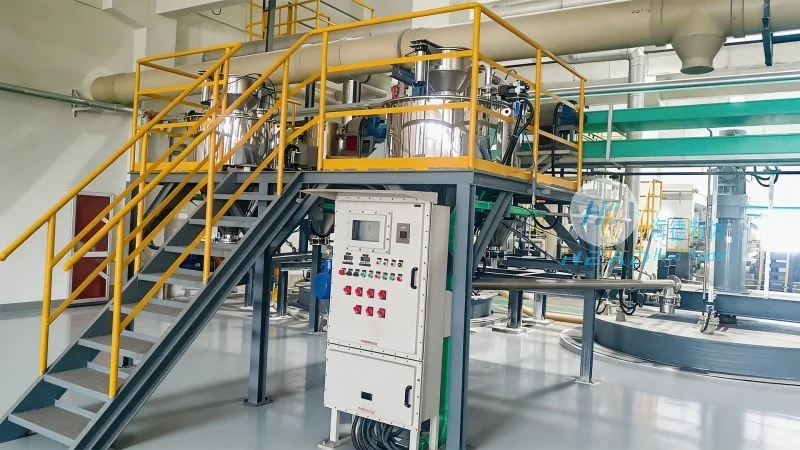
Benefits of Pneumatic Conveying for Silica Micropowders
Implementing pneumatic conveying for silica micropowders offers several significant advantages. First, it provides a dust-free environment, which is crucial for maintaining product purity and ensuring compliance with industrial safety standards. Unlike mechanical conveyors, which can generate significant dust and lead to health hazards, pneumatic systems keep the material enclosed, reducing the risk of contamination and exposure. Second, pneumatic conveying minimizes material degradation. The gentle handling of particles through air flow prevents attrition and agglomeration, preserving the physical and chemical properties of the silica micropowders. This is particularly important for applications where the powder's quality directly impacts the final product, such as in pharmaceuticals, food processing, or high-purity manufacturing. Third, the system offers flexibility in terms of layout and integration. Pneumatic conveyors can be easily installed in various configurations, including vertical, horizontal, or a combination of both, to suit the specific needs of the facility. This adaptability allows for efficient use of space and seamless integration with existing production lines.
Practical Applications and Case Studies
The application of pneumatic conveying for silica micropowders spans multiple industries. In the chemical industry, it is commonly used for transporting raw materials and finished products in processes involving silica-based compounds. The pharmaceutical sector benefits from the ability to handle high-purity silica powders without contamination, ensuring product safety and regulatory compliance. In the food industry, pneumatic systems are employed to transport food-grade silica powders, maintaining hygiene standards and preventing cross-contamination. A notable example is the use of pneumatic conveying in the production of silica-based additives for food and beverages, where the system's ability to handle fine powders without degradation is critical. Companies like Shandong HeadPowder Engineering Co., Ltd., based in China, specialize in designing and manufacturing advanced pneumatic conveying systems tailored to the specific requirements of silica micropowder handling. Their expertise in material science and engineering ensures that the systems are optimized for efficiency, reliability, and durability.
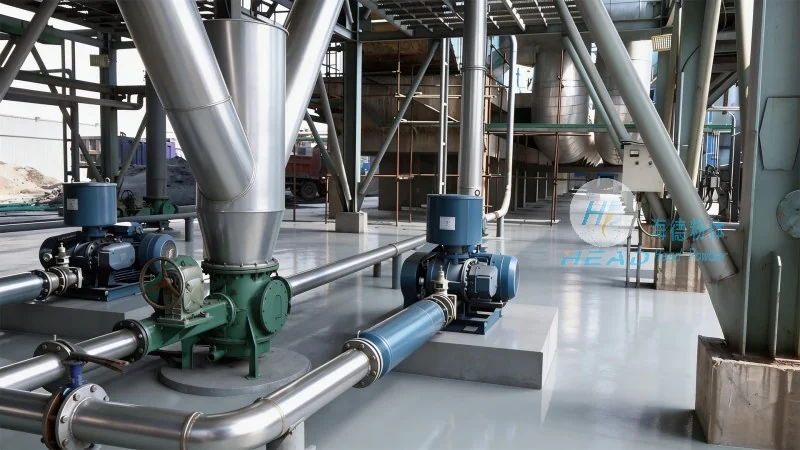
Design and Installation Considerations
Designing an effective pneumatic conveying system for silica micropowders requires a comprehensive understanding of the material's characteristics and the operational requirements. The first step is to assess the material's properties, including particle size distribution, density, moisture content, and flowability. These parameters influence the choice of conveying system type and the necessary air flow rates. The pipeline design is another critical factor, as the diameter and length of the pipeline directly impact the system's performance. Properly sized pipelines minimize pressure drop and ensure smooth material flow. The use of appropriate fittings, such as bends, elbows, and valves, is essential to maintain consistent air flow and prevent particle accumulation. Additionally, the system must be equipped with filters and cyclones to separate the powder from the air stream, ensuring that the material is collected efficiently and the air is cleaned before release. Regular maintenance and monitoring of the system are also necessary to ensure optimal performance and longevity.
Conclusion and Future Trends
Pneumatic conveying represents a highly effective solution for the efficient and safe transport of silica micropowders. By leveraging air flow, these systems offer significant advantages over traditional material handling methods, including dust control, material preservation, and operational flexibility. As industrial demands for high-purity and high-quality powders continue to grow, the importance of advanced conveying technologies like pneumatic systems will only increase. Companies such as Shandong HeadPowder Engineering Co., Ltd. play a vital role in providing customized solutions that meet the evolving needs of the industry. By investing in efficient pneumatic conveying systems, businesses can enhance their operational efficiency, reduce costs, and ensure the consistent quality of their products. The future of material handling in the silica micropowder industry is undoubtedly shaped by the continued development and application of advanced pneumatic technologies.




