When it comes to the efficient and reliable handling of pigment masterbatch powders, the design of a pneumatic conveying system is a critical aspect of industrial operations. A well-designed system not only ensures the safe and effective transport of these materials but also minimizes operational costs and downtime. This article provides a comprehensive guide on how to design a reasonable pigment masterbatch pneumatic conveying system plan, focusing on key considerations and practical implementation strategies.
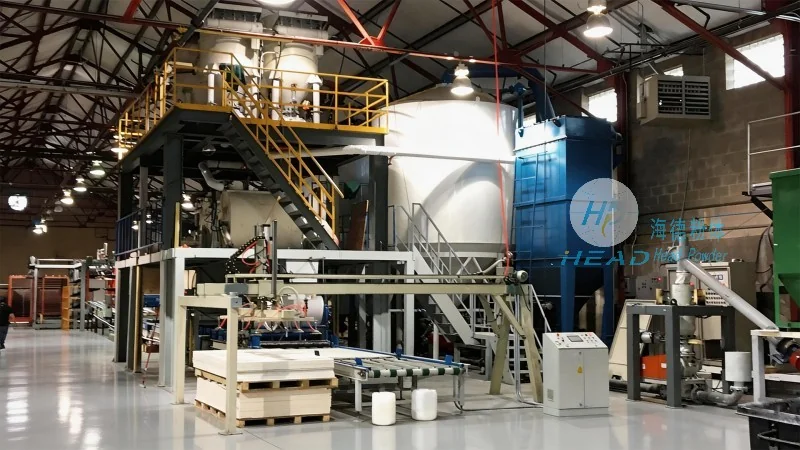
Understanding the Core Components of a Pigment Masterbatch Pneumatic Conveying System
A pneumatic conveying system for pigment masterbatch typically consists of several essential components. These include a material hopper or feeder to store and meter the powder, a conveying line (often equipped with a venturi or rotary valve), a filter system to capture any fines or dust, and a receiver or discharge hopper for the final product. The choice of components depends on the specific characteristics of the pigment masterbatch, such as particle size, moisture content, and flowability. For example, headpowder, a leading manufacturer in this field, emphasizes the importance of selecting the right material handling equipment to ensure optimal performance.
Key Design Considerations for Optimal Performance
Several factors must be carefully evaluated during the design phase to ensure the system operates efficiently. First, the material's physical properties, including particle size distribution, density, and abrasiveness, play a significant role in determining the appropriate conveying velocity and pressure. Second, the system's capacity requirements, which are influenced by production rates and batch sizes, must be accurately assessed to avoid under or over-engineering. Third, the environmental and safety considerations, such as dust control and explosion protection, are paramount, especially when handling fine powders. Additionally, the system's energy consumption and maintenance requirements should be considered to ensure long-term cost-effectiveness.
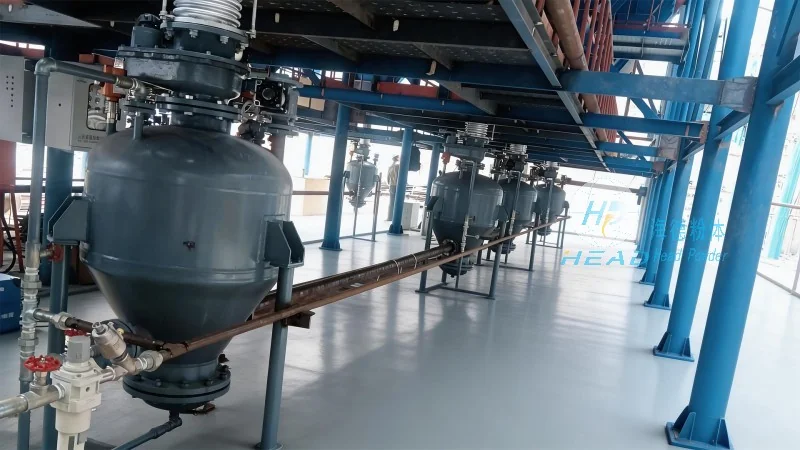
System Sizing and Flow Rate Calculations
Accurate system sizing is crucial for the successful operation of a pneumatic conveying system. This involves calculating the required air flow rate and pressure based on the material's properties and the desired conveying distance. The Venturi effect, which uses a constriction in the pipeline to accelerate air and draw in the powder, is a common method for pneumatic conveying. The design of the venturi nozzle and the associated air supply system must be optimized to achieve the desired flow rates without excessive energy consumption. For instance, headpowder's engineering team employs advanced computational fluid dynamics (CFD) simulations to model and refine the system's performance before final implementation.
Material Handling and Feeding Solutions
The feeding mechanism is a critical component that directly impacts the system's reliability. For pigment masterbatch, which can be prone to bridging or caking, a rotary valve or a loss-in-weight feeder is often preferred. These devices ensure a consistent and controlled flow of material into the conveying line, preventing blockages and maintaining system stability. The design of the hopper, including its shape and internal lining, is also important to prevent material degradation and ensure smooth discharge. Companies like Shandong HeadPowder Engineering Co., Ltd., based in Shandong, China, specialize in customizing feeding solutions to meet the unique needs of their clients.
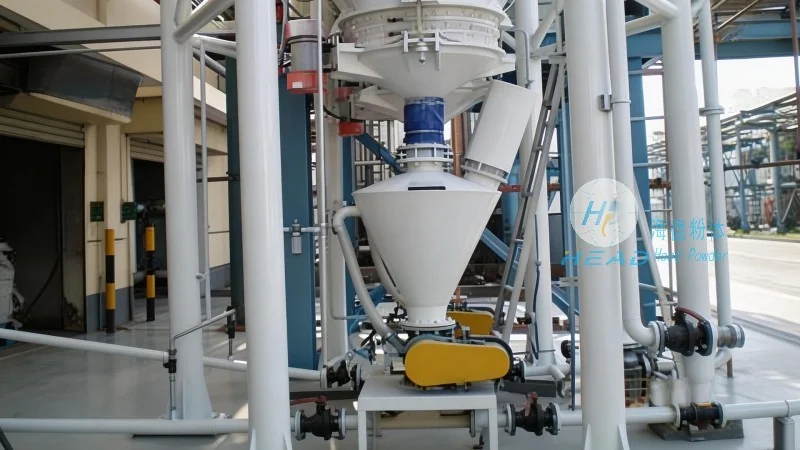
Filter and Dust Control Systems
Effective dust control is essential for maintaining a safe and clean working environment. The filter system in a pneumatic conveying system typically consists of a baghouse or cartridge filter that captures the fine particles carried by the air. The choice of filter media depends on the particle size and the amount of dust generated. Regular maintenance of the filter is necessary to prevent pressure drop and ensure efficient operation. Additionally, the system may include a cyclone separator to remove larger particles before they reach the filter, reducing the load on the filtration equipment. Proper design of the filter and dust collection system helps in complying with environmental regulations and maintaining workplace safety.
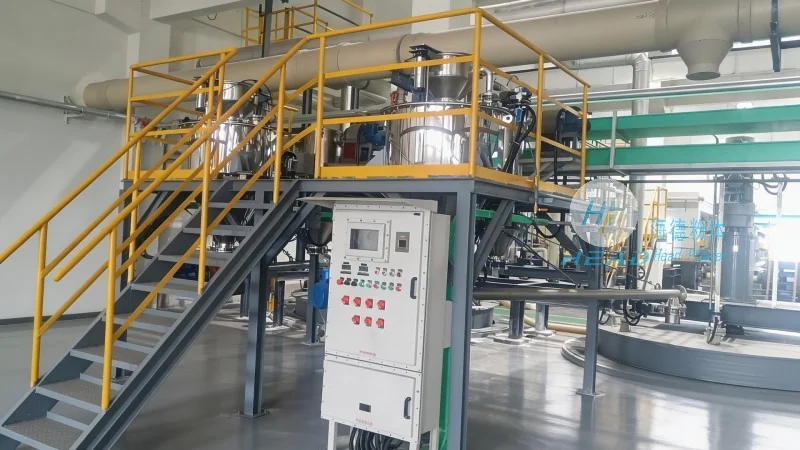
System Integration and Control
Integrating the pneumatic conveying system with the overall production process is vital for seamless operation. The system should be equipped with a control panel that allows for monitoring and adjustment of key parameters, such as air pressure, flow rate, and material feed rate. Automation features, such as sensors to detect blockages or low material levels, can enhance system reliability and reduce the need for manual intervention. The control system should also be designed to interface with other equipment in the production line, enabling coordinated operation and minimizing downtime. Headpowder's expertise in system integration ensures that their clients' conveying systems are fully compatible with their existing production infrastructure.
Maintenance and Long-Term Performance
Proper maintenance is essential to ensure the long-term performance and reliability of a pneumatic conveying system. Regular inspections of components like the hopper, conveying line, and filter are necessary to identify and address potential issues before they lead to system failure. The use of high-quality materials and components, such as wear-resistant liners and durable valves, can extend the system's lifespan. Additionally, training operators on proper system operation and maintenance procedures is crucial for preventing common problems. By following a regular maintenance schedule and using reliable equipment, companies can ensure their pigment masterbatch pneumatic conveying system operates efficiently for years to come.




