The sintered ash material handling equipment is a specialized system designed to transport and manage sintered ash, a byproduct commonly generated in industrial processes such as steel production and power generation. As a critical component in waste management and material recycling, these systems play a vital role in ensuring efficient and safe handling of sintered ash. Understanding the design principles and operational aspects of such equipment is essential for industries that rely on consistent and reliable material transport.
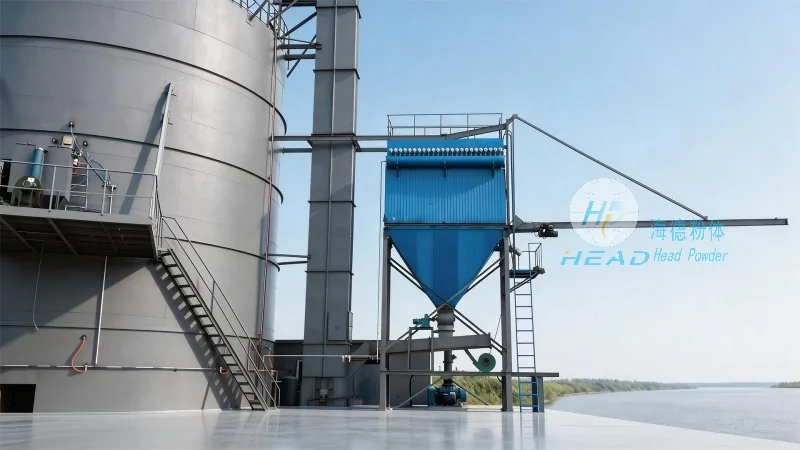
Understanding Sintered Ash and Its Handling Needs
Sintered ash, also known as sintered slag or sintered waste, is a solid byproduct formed during the sintering process, which involves heating raw materials to a high temperature without melting them completely. This process is widely used in the iron and steel industry to convert iron ore into a more workable form. The resulting sintered ash has specific physical properties, including a granular structure and varying particle sizes, which influence the choice of handling equipment. Due to its abrasive nature and potential for moisture content variations, specialized equipment is required to handle sintered ash effectively and safely.
Key Components of Sintered Ash Material Handling Systems
Key components of sintered ash material handling systems typically include conveyor belts, hoppers, feeders, and control mechanisms. Conveyor belts are often used for horizontal and inclined transport, while hoppers and feeders ensure uniform material flow. Control systems, including sensors and automation, help regulate the transport process, ensuring safety and efficiency. These components work together to create a seamless material handling operation. For example, high-capacity conveyor belts with reinforced structures are used to handle the abrasive nature of sintered ash, reducing wear and extending equipment lifespan.
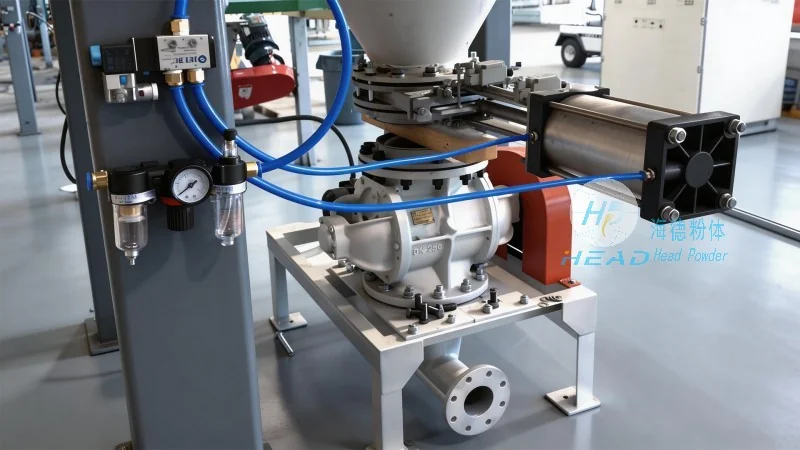
Design Principles for Efficient Sintered Ash Transport
Design principles for sintered ash transport focus on several key factors, including material properties, transport distance, and operational efficiency. The design must consider the abrasive nature of sintered ash, which can cause wear on equipment components. Therefore, materials such as high-strength steel and wear-resistant coatings are often used in the construction of conveyor systems and hoppers. Additionally, the system's design must account for the varying particle sizes and moisture content of the ash, as these factors affect flow characteristics and the risk of blockages. Proper design also includes considerations for dust control and environmental compliance, ensuring that the handling process does not negatively impact surrounding areas.
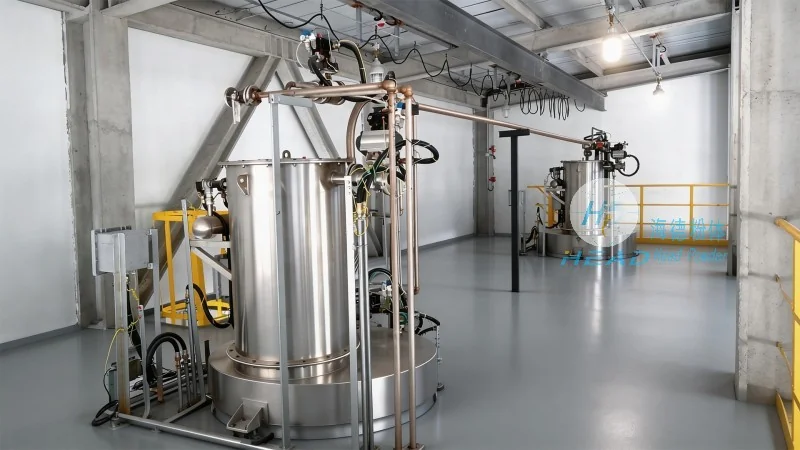
Applications and Industries Using Sintered Ash Handling Equipment
Industries that utilize sintered ash handling equipment include the steel industry, power generation facilities, and waste management companies. In the steel industry, sintered ash is often used as a raw material in the production of cement and other building materials. Power plants may use sintered ash for co-combustion or as a byproduct in ash management. Waste management companies rely on these systems to transport sintered ash to disposal or recycling facilities, ensuring compliance with environmental regulations. Each industry has specific requirements for the handling equipment, and customized solutions are often necessary to meet these needs.
The Role of HeadPowder in Providing Sintered Ash Handling Solutions
Shandong HeadPowder Engineering Co., Ltd., based in Shandong, China, specializes in the design, manufacturing, and installation of sintered ash material handling equipment. The company's expertise lies in understanding the unique challenges of handling sintered ash, such as its abrasive properties and varying composition. By leveraging advanced engineering and materials science, HeadPowder develops customized solutions that meet the specific needs of each client. Their systems are designed to enhance operational efficiency, reduce maintenance costs, and ensure compliance with industry standards and environmental regulations. HeadPowder's commitment to quality and innovation has made them a trusted partner for industries seeking reliable sintered ash handling solutions.




