Magnesium hydroxide, a white, odorless powder with the chemical formula Mg(OH)₂, is a versatile chemical widely used in industrial applications, including fire retardants, pharmaceuticals, and water treatment. Efficient material handling is a critical aspect of processing this compound, as it ensures safe and efficient transfer from storage to processing units. This article delves into the fundamental concepts of magnesium hydroxide material handling, exploring the key design principles that underpin effective systems for industrial use.
About HeadPowder Engineering
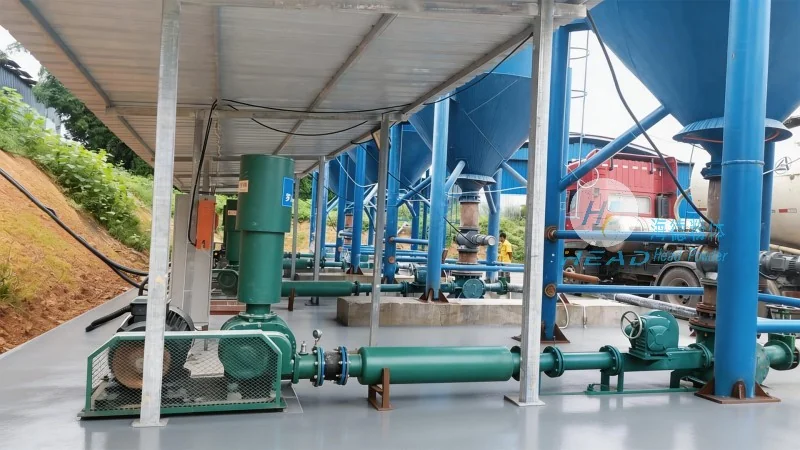
HeadPowder Engineering Co., Ltd., a prominent company based in Shandong, China, specializes in the design and manufacturing of material handling equipment tailored for industrial chemicals like magnesium hydroxide. With years of experience in the field, HeadPowder has developed a deep understanding of the unique properties of magnesium hydroxide, which includes its fine particle size, potential for dust generation, and moderate chemical reactivity. The company’s mission is to provide reliable, efficient, and safe material handling solutions that meet the stringent requirements of modern industrial operations. By leveraging advanced engineering techniques and adherence to international standards, HeadPowder ensures that their systems are optimized for performance, durability, and operator safety.
Design Principles for Magnesium Hydroxide Material Handling
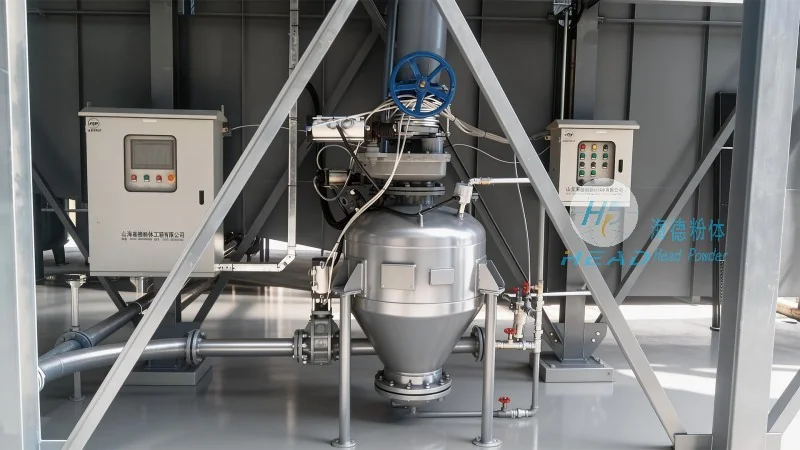
The design of magnesium hydroxide material handling systems is guided by several core principles that address the specific challenges associated with this material. First, dust control is a top priority due to the fine nature of magnesium hydroxide, which can create respiratory hazards and environmental contamination. Effective dust suppression measures are integrated into the system design, such as enclosed conveyor systems, wet processing methods, or advanced filtration technologies. These measures help minimize airborne particles, ensuring a safe working environment and compliance with environmental regulations. Second, flow management is crucial to prevent clogging and maintain consistent material movement. This involves selecting appropriate conveyor types, such as belt conveyors or screw conveyors, and optimizing parameters like incline angle, speed, and feed rate. Proper flow management also includes the use of agitators or vibrators to prevent material buildup in hoppers or chutes, ensuring smooth and continuous operation. Third, equipment durability is a key consideration, as magnesium hydroxide can be abrasive and corrosive to certain materials. High-quality materials, such as stainless steel (e.g., 316L) or specialized coatings, are used to protect equipment from wear and corrosion. This not only extends the operational life of the equipment but also maintains the purity of the material by preventing contamination from metal particles. Additionally, safety features are integrated into the design to protect operators and equipment. These include emergency stop mechanisms, overload protection, and proper ventilation systems to remove dust and fumes. The design also considers ergonomic aspects, such as access points for maintenance and clear signage for operational instructions, to enhance overall safety and efficiency.
Key Components in Magnesium Hydroxide Material Handling Systems
Effective magnesium hydroxide material handling systems typically consist of several key components, each playing a vital role in the overall operation. The primary components include feeders, conveyors, hoppers, and storage silos. Feeders, such as rotary valves or vibratory feeders, are used to control the flow of magnesium hydroxide from storage bins or hoppers to the conveyor system. These devices ensure a consistent and controlled feed rate, preventing overloading or underfeeding of the conveyor. Conveyors, such as belt conveyors or screw conveyors, transport the material from one location to another. Belt conveyors are commonly used for horizontal or slight incline applications, while screw conveyors are ideal for vertical or inclined transport due to their ability to handle fine powders without clogging. Hoppers are used to store and feed the material to the conveyor system, and they are designed with smooth, sloped walls to prevent material buildup and ensure easy discharge. Storage silos, often made of stainless steel or other corrosion-resistant materials, are used for bulk storage of magnesium hydroxide, providing a large capacity and controlled release of material. These components are interconnected through a control system that monitors and regulates the flow of material, ensuring smooth operation and preventing issues like clogging or overfilling.
Benefits of Proper Material Handling for Magnesium Hydroxide
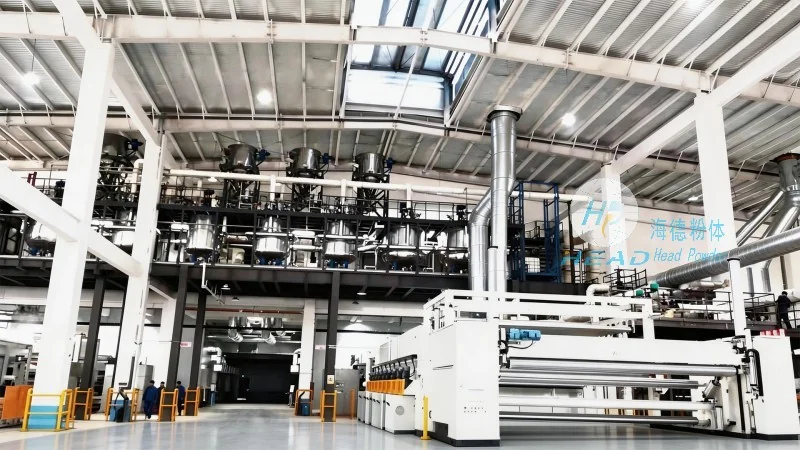
Implementing proper material handling systems for magnesium hydroxide offers numerous benefits for industrial operations. First, it enhances safety by minimizing dust exposure and preventing accidents caused by equipment failure or material buildup. This reduces the risk of respiratory illnesses and workplace injuries, leading to a healthier and more productive workforce. Second, efficient material handling improves operational efficiency by ensuring consistent material flow and reducing downtime due to clogging or equipment breakdowns. This leads to higher throughput and lower production costs. Third, proper handling maintains the quality of the magnesium hydroxide by preventing contamination from metal particles or other materials. This is crucial for applications where purity is critical, such as in pharmaceuticals or food additives. Additionally, well-designed systems comply with environmental regulations, reducing the environmental impact of dust and fumes. By investing in reliable material handling solutions, industrial companies can achieve better performance, safety, and sustainability in their operations.




