Understanding the mechanisms and principles behind pebble material conveying is crucial for industries that handle various types of aggregate materials. This article aims to provide a comprehensive overview of pebble material conveying systems, focusing on their design principles and operational aspects. The content is presented by Shandong HeadPowder Engineering Co., Ltd., a leading provider in the field, based in China.
Introduction to Pebble Material Conveying
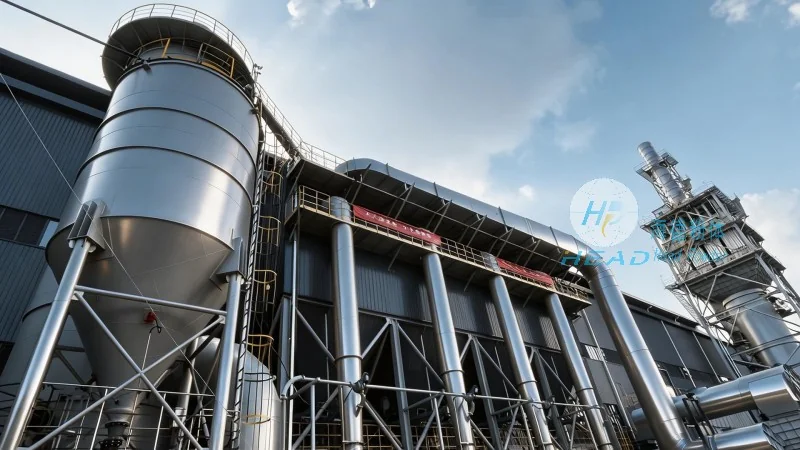
Pebble material conveying refers to the process of transporting small to medium-sized stones or aggregates, commonly known as pebbles, from one location to another within industrial or construction settings. These materials are typically used in applications such as road construction, concrete production, and landscaping. The efficiency and reliability of pebble conveying systems directly impact the productivity and cost-effectiveness of material handling operations. Shandong HeadPowder Engineering Co., Ltd. specializes in designing and manufacturing equipment tailored to meet the specific needs of pebble material handling, ensuring optimal performance and durability.
Key Components of Pebble Conveying Systems
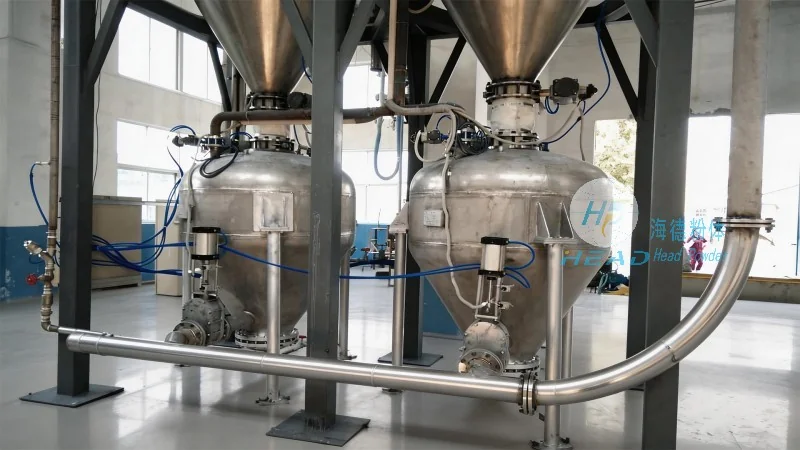
Effective pebble material conveying systems consist of several critical components that work in tandem to ensure smooth material transport. The primary components include feeders, conveyors, and control systems. Feeders are responsible for uniformly distributing the pebbles into the conveyor system, preventing blockages and ensuring consistent flow. Common types of feeders used in pebble conveying include belt feeders and vibratory feeders, which are chosen based on the material's characteristics and the required feed rate. The conveyor itself is the core of the system, responsible for moving the pebbles along the desired path. Various conveyor types are employed, such as belt conveyors, screw conveyors, and bucket elevators, each with its own advantages and applications. Control systems are essential for monitoring and regulating the conveying process, ensuring that the system operates within safe and efficient parameters. These systems may include sensors, controllers, and automation features that enhance the overall performance and safety of the operation.
Design Principles for Efficient Pebble Conveying
The design of pebble material conveying systems follows several fundamental principles aimed at maximizing efficiency, minimizing energy consumption, and ensuring the longevity of the equipment. One of the key design principles is the selection of appropriate conveyor components based on the physical properties of the pebbles. Pebbles vary in size, shape, and density, which can affect the friction and wear on conveyor parts. Therefore, materials like stainless steel or high-strength alloys are often used for conveyor belts and rollers to withstand the abrasive nature of pebbles. Another critical principle is the proper alignment and maintenance of the conveyor system. Misalignment can lead to increased wear and tear, reduced efficiency, and potential system failures. Regular maintenance, including lubrication, cleaning, and inspection of components, is essential to keep the system running smoothly. Additionally, the design considers the overall layout and space constraints of the facility. The conveyor system is typically integrated into the existing infrastructure, optimizing the use of available space while ensuring unobstructed material flow. The use of inclined or horizontal conveyors may be determined based on the distance and elevation changes required for material transport. Inclined conveyors are particularly useful for elevating pebbles to higher levels, while horizontal conveyors are suitable for transporting materials over longer distances at ground level.
Operational Considerations in Pebble Conveying
Operational considerations play a vital role in the successful implementation of pebble material conveying systems. Proper operation involves monitoring the system's performance and making adjustments as needed to maintain optimal conditions. This includes checking the feed rate, ensuring that the conveyor is not overloaded, and monitoring the temperature and vibration levels of the components. Overloading the conveyor can lead to increased wear, reduced lifespan, and potential breakdowns. Therefore, it is essential to operate the system within its rated capacity. Another operational consideration is the prevention of material buildup and blockages. Pebbles can sometimes accumulate in the conveyor's trough or on the belt, causing inefficiencies and safety hazards. Regular cleaning and the use of anti-stick coatings on the conveyor surface can help mitigate these issues. Furthermore, the system should be equipped with safety features such as emergency stop buttons, overload protection, and guards to prevent accidents and ensure the safety of operators. These features are crucial in industrial settings where pebble conveying is often part of larger material handling processes.
Applications and Benefits of Pebble Conveying Systems
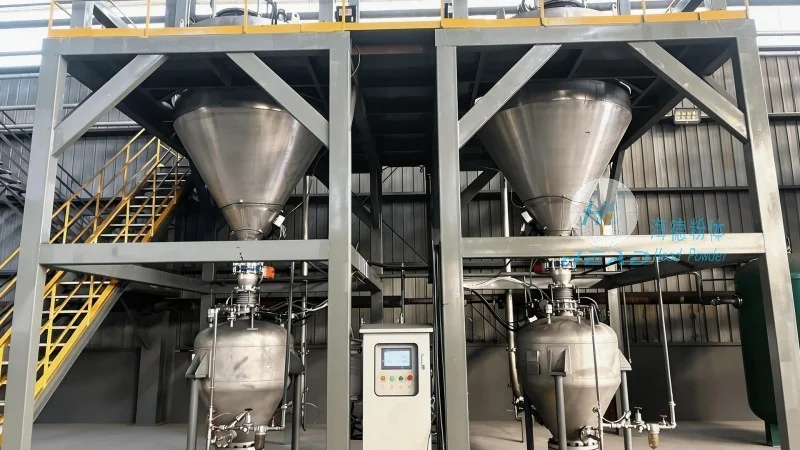
Pebble material conveying systems find applications in various industries, including construction, mining, and manufacturing. In the construction industry, these systems are used to transport pebbles for road surfacing, concrete production, and landscaping projects. The ability to efficiently move large quantities of pebbles reduces labor costs and increases productivity. In mining operations, pebble conveying is used to transport crushed stones from processing plants to storage or shipping areas. The reliability of pebble conveying systems ensures that the mining process remains uninterrupted, contributing to higher output and profitability. Additionally, in manufacturing facilities, pebble conveying is used to transport raw materials or finished products, streamlining the production process. The benefits of pebble conveying systems extend beyond efficiency and productivity. These systems are designed to minimize energy consumption, reducing operational costs and environmental impact. The use of durable materials and proper maintenance further enhances the system's longevity, providing long-term value to the users. Shandong HeadPowder Engineering Co., Ltd. offers customized pebble conveying solutions that cater to the specific requirements of different industries, ensuring that clients receive systems that are both effective and cost-efficient.
Conclusion and Company Overview
In conclusion, pebble material conveying systems are essential for industries that handle aggregate materials, providing efficient and reliable transport solutions. The design principles and operational considerations discussed in this article highlight the importance of proper system design and maintenance for optimal performance. Shandong HeadPowder Engineering Co., Ltd., with its expertise and experience in the field, is a trusted partner for businesses seeking high-quality pebble conveying systems. Based in China, the company provides tailored solutions that meet the unique needs of its clients, ensuring that material handling operations are streamlined and cost-effective. By adhering to the principles of efficient design and operation, pebble material conveying systems can significantly enhance productivity and contribute to the overall success of industrial and construction projects.




